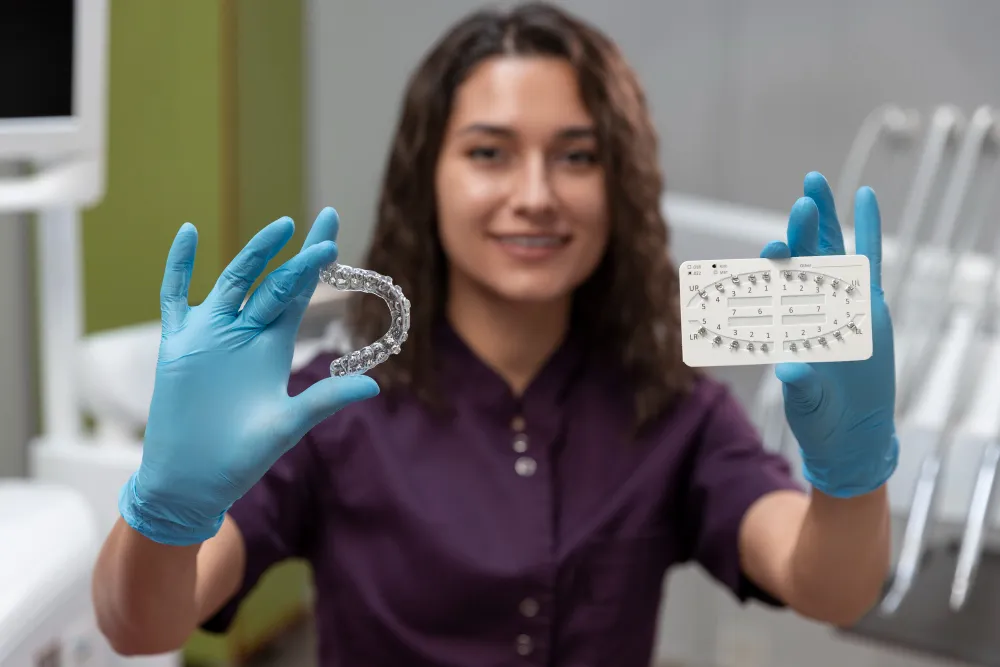

Selecting braces or Invisalign is an initial significant decision patients make for the kind of orthodontic treatment they go for.
Both methods are aimed at achieving beautiful smiles by straightening the teeth and improving the bite alignment, but they have dissimilar mechanisms and might be a good fit for various personalities, budgets, and treatment goals.
The guide here gives a detailed account of the mechanisms of treatment and a list of other factors if you're looking for the best orthodontist in Edmonton and trying to figure out what would work better for you or your kid braces or Invisalign.
Orthodontic Treatment with Braces
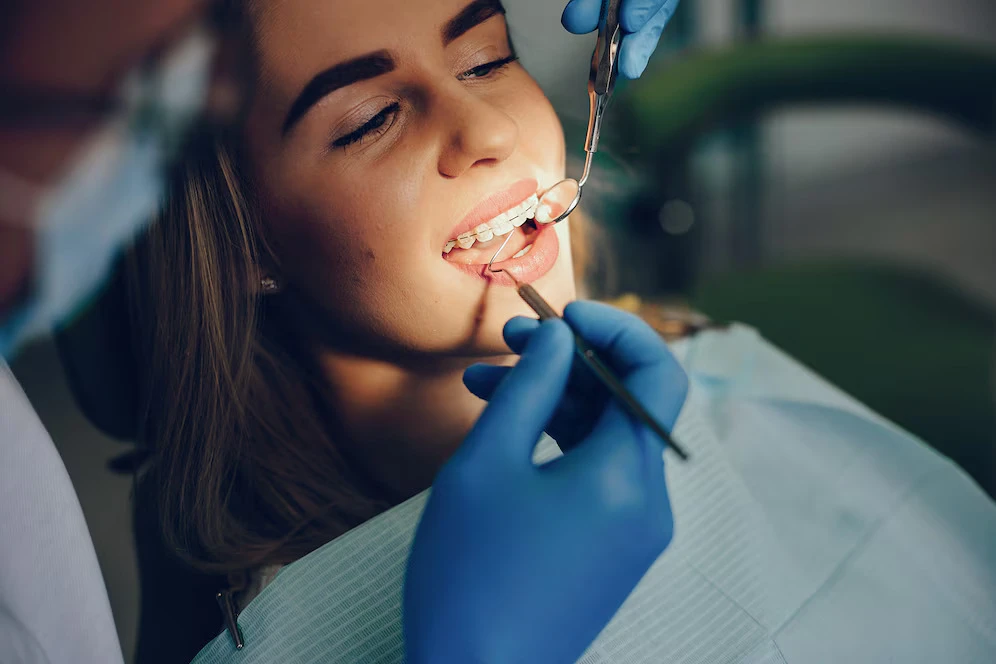
Traditional braces mainly have the metal brackets that are adhered to the front of every tooth, then held together with an archwire. The orthodontist keeps on changing the wire's tightness as time elapses, resulting in the teeth shifting in their new position in a gradual manner. There are two options for making brackets metal or ceramic (clear one) and the fixed nature of braces implies their permanent presence during the whole course of treatment.
The most common indications for a dental brace treatment are:
- Difficult orthodontic problems such as crowding, deeply covered bites, and crossbite conditions
- Very young people including children who are undergoing primary and preventive orthodontics
- Patients with complex teeth issues who will probably need other devices such as expanders or elastics
Teeth are physically bonded with brackets and wires in the case of braces, so they are not at risk of being improperly maintained or falling out if the wearer neglects their responsibilities compared to removable appliances like retainers, which makes braces suitable options even for the most forgetful children.
Invisalign in Edmonton Treatment Process
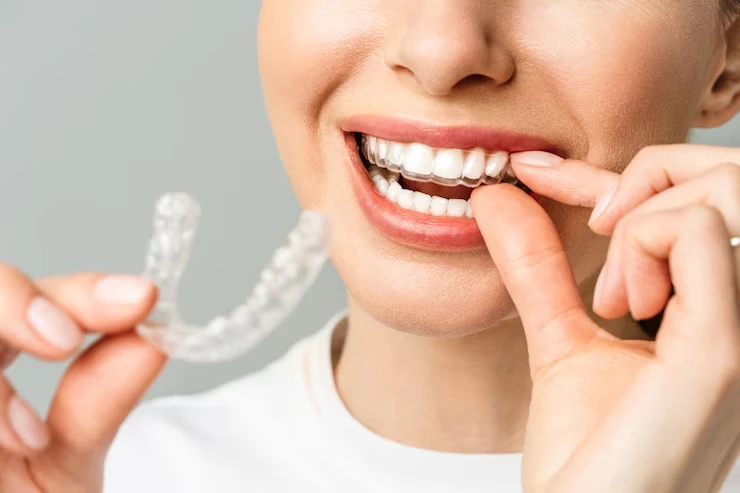
Aligning your teeth with the help of Invisalign is done by the means of a set of custom-made transparent plastic aligners, which you switch every two weeks approximately. Since these aligners are not fixed in the mouth, there's no need for you to alter your diet or oral hygiene routine because of the presence of brackets or wires.
So, if there is an Invisalign clinic in Edmonton which is close enough, you could benefit from having your teeth digitally scanned as the first step, the scan is usually done with an iTero scanner, and once completed it is used for making a very detailed map of your teeth so that you can be sure that your treatment plan will be perfectly fitted to you before even the first aligner is produced.
Is Invisalign the Right Choice for You?
If you're a patient looking to keep orthodontic treatment out of view, Invisalign could be an excellent choice for you.
- If you're searching for a way to straighten your teeth that is less noticeable
- We're confident about removing the aligners for eating, speaking or special events.
- If your tooth alignment or spacing issues are mild to moderate
The aligners are removable so that the only time patients should take them out is eating or special events
Braces vs. Invisalign in Edmonton: A Side-by-Side Comparison
| Factor | Traditional Braces
| Invisalign |
| Visibility | Visible metal or ceramic brackets
| Clear, low-visibility aligners |
| Removability | Fixed in place until treatment ends | Removable for eating, brushing, flossing |
| Maintenance | Requires care around brackets and wires | Aligners must be cleaned regularly |
| Best suited for | Complex bite and alignment issues | Mild to moderate alignment concerns |
| Compliance required | Low (fixed appliance) | High (must wear 20–22 hrs/day) |
| Dietary restrictions | Some foods should be avoided | None — aligners are removed to eat |
Typical check-ins
| Regular in-office adjustments
| Periodic progress check-ups |
Treatment timelines and suitability vary by case. An in-person or virtual consultation with an orthodontist is the most reliable way to determine which option fits your specific needs.
Invisalign Cost in Edmonton vs. Braces Cost in Edmonton: What Affects Pricing
Braces costs in Edmonton as well as Invisalign costs in Edmonton could differ depending on many factors, such as:
- How much correction your orthodontic problem needs
- The estimated time taken by treatment
- Patient's age as a child, teen or adult
- Exact kinds of braces like metal or ceramic and also for Invisalign such as Invisalign Teen or Invisalign First products.
- Degree of insurance coverage and availability of payment plans
A lot of orthodontic offices now use payment calculators, payment plan tools, and direct insurance billings to make treatments affordable as possible. As every case varies and so the plans will be different, it is usually necessary for a qualified person in the field to assess first and then be able to quote an accurate cost.
Choosing the Right Orthodontist in Edmonton for Your Treatment
It's impossible to give one single piece of advice as to the optimal treatment for every person, it depends on the particular teeth/orthodontic problem, age, and lifestyle, and, of course, your personal preferences. Here are some general guidelines that may help:
- Younger children undergoing early treatment will usually benefit most from traditional braces or interceptive appliances, especially if changes to jaw growth and development are the desired outcome of the treatment.
- If their main concern is appearance, a popular choice for teens would be Invisalign Teen, provided they can commit to the wear-time requirements.
- Adults often opt for Invisalign due to its convenience with regard to work and social situations, but there's no harm in going back to the tried and tested braces when the problems are more complicated.
The Canadian Association of Orthodontists says that an orthodontic check-up of a child should be done by the age of seven and such a visit may help catch and solve the problem while it's still relatively easy and less traumatic for the child.
Book a Consultation with an Orthodontist in Edmonton
No matter if you're comparing braces or Invisalign in Edmonton, learning how different types of treatment can help is a wise starting point. If you want to find out more about different options, please visit our orthodontics and Invisalign treatment pages.
If you're serious about orthodontics and Invisalign in Edmonton and Spruce Grove, it's best to call our specialist, Dr. Saleh Al Daghreer, a highly-recommended orthodontist to City Orthodontics & Pediatric Dentistry, to make a consultation for finding out the right treatment plan for you.
Frequently Asked Questions About Braces and Invisalign in Edmonton
1. Is Invisalign more or less effective than braces?
Invisalign is an option when you have many types of tooth alignments and spacing issues that are not too severe. However, for more complicated problems with your bite, a professional might suggest traditional braces. The only way to tell what is suitable for your teeth and what kind of treatment to expect is to visit a specialized dentist who will take your case history into account.
2. What amount of time does it take for braces versus Invisalign treatment?
First of all, length will be affected by case complexity rather than simply the kind of orthodontics. There are patients who get their jobs done in about a year whereas others take up to two or more years for either one of the alternatives.
3. Can the cost of Invisalign in Edmonton be more than the cost of braces?
These two can be quite different in terms of the cost that you will see. The type of products being used and other aspects like complexity and treatment length of the case are all factors that affect the overall fees. In many situations, you can expect braces and Invisalign to be the same price but in others one of them is definitely going to be a higher price. To know the accurate price, one consultation with an orthodontist would be the best way of getting an individual and realistic estimate.
4. Is Invisalign the only option for adults or can they also get braces?
An adult's option is not just Invisalign but also traditional braces. Although invisible aligners have been a favorite of adults because of the way they look, in case an adult has more serious orthodontic issues, braces may still be better.
5. How to decide which treatment is best for me?
The most accurate way is through an orthodontic consultation, this normally entails an oral exam, taking some x-rays and having a chat to know your treatment goals, work and financial situation.

























Sign in to leave a comment.