
Choosing between traditional braces and modern orthodontic aligners can feel overwhelming, especially with today’s wide range of options. If you’re considering straightening your teeth, you’re likely wondering which method best suits your lifestyle, goals, and dental needs. Orthodontic treatment goes beyond aesthetics. Crooked teeth, bite misalignment, and gaps can lead to issues like jaw discomfort, uneven tooth wear, and difficulty maintaining oral hygiene. Fortunately, advances in dental technology now offer more personalized solutions than ever before, from time-tested metal braces to nearly invisible clear aligners.
Each option comes with its own set of benefits and considerations, from treatment duration and appearance to comfort and maintenance. Whether you're a teen balancing school life or an adult mindful of your professional image, the right choice depends on your unique situation. This guide explores the key differences to help you make a confident, informed decision rooted in science and practical insight. Keep reading.
Understanding the Basics: Braces and Orthodontic Aligners
Traditional Braces
Traditional braces consist of metal brackets affixed to the teeth, connected by wires and small elastic bands. Over time, these components apply continuous pressure to gradually move teeth into the desired position. Braces are known for being highly effective, especially for complex cases involving significant misalignment, bite issues, or tooth rotation.
Orthodontic Aligners
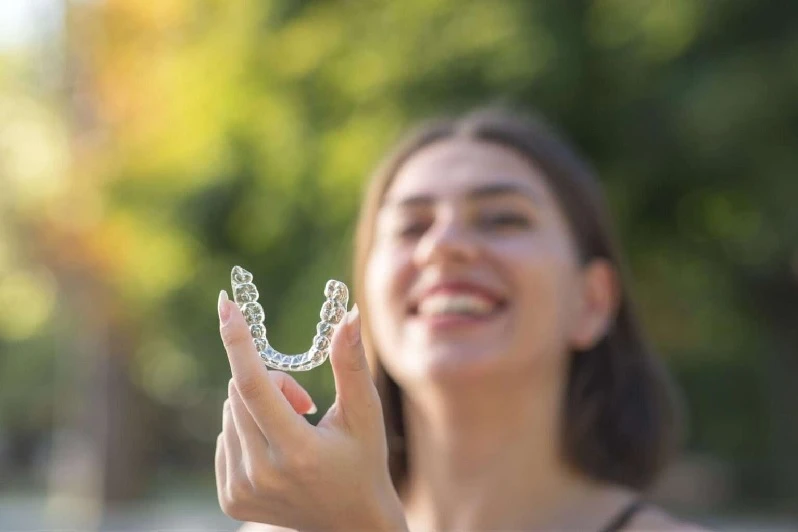
Orthodontic aligners are clear, removable trays custom-designed to fit snugly over your teeth. They are typically worn for 20–22 hours a day and changed every 1–2 weeks as your teeth shift gradually. Since they’re nearly invisible and removable, they’ve become a popular choice among adults and teens alike.
Effectiveness and Treatment Goals
Braces: Time-Tested for Complex Cases
Braces are often recommended for more complicated orthodontic issues, such as severe crowding, large gaps, overbites, underbites, and crossbites. Orthodontists have more control over tooth movement with braces, allowing for precise adjustments throughout the treatment.
Duration: 18 to 36 months (depending on case complexity).
Ideal for: Teens and adults with significant misalignment or jaw issues.
Aligners: Effective for Mild to Moderate Cases
Orthodontic aligners are highly effective for treating mild to moderate alignment issues. They are ideal for patients who are compliant with wear-time instructions and prefer a more discreet solution.
Duration: 6 to 18 months on average.
Ideal for: Patients with mild crowding, spacing, or relapse after previous orthodontic treatment.
Comfort and Aesthetics
Braces: Visible but Consistently Effective
Metal braces are more noticeable, although ceramic and lingual options offer more aesthetic appeal. Some patients experience discomfort from brackets and wires, especially after adjustments.
Pros: No need to worry about misplacing aligners or forgetting to wear them.
Cons: Can cause irritation to cheeks and gums, visible in appearance.
Aligners: Comfortable and Nearly Invisible
Orthodontic aligners are smooth, with no metal parts to poke the soft tissues of your mouth. Because they're clear and removable, aligners are favored by those seeking a subtle and convenient option.
Pros: Nearly invisible, minimal discomfort, easy to clean.
Cons: Requires discipline to wear for 20–22 hours daily.
Oral Hygiene and Maintenance
Braces: Extra Care Needed
Brushing and flossing with braces can be more challenging. Food particles can get trapped around brackets and wires, increasing the risk of plaque buildup and gum disease if not cleaned properly.
Cleaning: Requires special tools like interdental brushes and floss threaders.
Diet: Avoid hard, sticky, or chewy foods that can damage the appliance.
Aligners: Easy Hygiene Routine
It can be removed before meals, allowing you to brush and floss normally, a major advantage when it comes to maintaining oral hygiene.
Cleaning: Clean aligners with lukewarm water and aligner-safe cleaning solutions.
Diet: No food restrictions as aligners are removed before eating.
Lifestyle Compatibility
Braces: Fixed but Reliable
Once installed, braces are on 24/7. While they are highly effective, they can pose limitations when it comes to aesthetics and certain activities like contact sports or playing wind instruments.
Ideal for: Patients who prefer not having to remember daily wear routines.
Aligners: Flexible and Discreet
Aligners fit seamlessly into daily life. They’re perfect for public-facing professionals, athletes, or teens involved in extracurricular activities who value aesthetics and flexibility.
Ideal for: Busy adults, image-conscious teens, and frequent travelers.
Follow-Up Visits and Adjustments
Braces: Frequent In-Office Visits
Patients typically need to visit the orthodontist every 4–6 weeks for wire adjustments and progress checks.
Aligners: Fewer Appointments, More Tech
It may require fewer in-office visits thanks to digital treatment planning. Some providers offer remote monitoring with smartphone apps, allowing for virtual check-ins.
Cost Considerations
Braces: Often Covered by Insurance
Traditional braces typically cost between $3,000 and $7,000, depending on the type (metal, ceramic, lingual) and the complexity of the case. They are often partially covered by dental insurance plans, especially for children and teens.
Aligners: Slightly Higher, but Flexible Payment Options
Clear aligners usually range from $3,000 to $8,000. While not all insurance plans cover aligners, many aligner providers and dental clinics offer monthly payment plans or third-party financing options to make treatment more accessible.
Who Should Choose What? A Quick Comparison
When deciding between braces and orthodontic aligners, understanding key differences can help you choose the right option. Braces are fixed and visible (unless lingual), making them more noticeable but ideal for treating severe misalignment and complex bite issues. They require more frequent in-office visits every 4–6 weeks and come with a more complex oral hygiene routine.
Treatment time typically ranges from 18 to 36 months, and the cost can vary between $1,500 and $4,000. On the other hand, orthodontic aligners are nearly invisible, removable, and generally more comfortable. They make daily oral hygiene easier and are ideal for treating mild to moderate alignment issues.
Orthodontic aligners and braces both serve the same ultimate purpose: to align your teeth, correct bite issues, and improve your overall oral health. The decision comes down to what best fits your lifestyle, dental condition, budget, and aesthetic preferences. If you need precise control over complex tooth movements, traditional braces may be a better fit. But if you value flexibility, appearance, and comfort, and are committed to wearing them consistently, orthodontic aligners could be the ideal choice.
Consult a Professional Before Deciding
Before choosing an orthodontic treatment, it’s crucial to consult a licensed orthodontist who can evaluate your teeth, bite, and jaw structure using 3D scans or X-rays. They will recommend the best treatment plan based on clinical needs, not just cosmetic goals. Whether you choose braces or orthodontic aligners, the investment you’re making goes far beyond a straighter smile, it’s an investment in your long-term oral health, self-esteem, and quality of life.
Conclusion
Choosing between braces and orthodontic aligners is more than just a cosmetic decision; it’s a step toward long-term dental health and improved quality of life. While braces offer time-tested precision for complex cases, orthodontic aligners provide a modern, flexible, and discreet alternative suited to today’s lifestyle demands. Each option has its strengths, and the best choice depends on your unique goals, oral condition, and commitment to the treatment process.
What truly matters is starting your journey with the right guidance. By consulting a qualified orthodontist and understanding your options, you empower yourself to make a confident, informed choice. Whether you opt for the reliability of braces or the convenience of aligners, both paths lead to the same destination: a healthier, more aligned, and confident smile that lasts a lifetime. Ready to take the next step? Your perfect smile could be closer than you think.





























Sign in to leave a comment.