
A smile has the power to light up a room. It reflects personality, confidence, and health. Yet, many people feel self-conscious because of spacing issues in their teeth. Gaps can form due to genetics, missing teeth, or natural alignment. While not always harmful, these spaces may affect chewing, speech, or overall aesthetics. Thankfully, dentistry has advanced, providing effective solutions that address both function and appearance. Straight, well-aligned teeth are no longer just a dream - they are achievable with modern treatments.
Understanding Dental Gaps
Dental gaps, also known as diastemas, occur when teeth are spaced apart. Some gaps are minor, while others are wider and more noticeable. They may appear between the front teeth or throughout the mouth. Common causes include jaw size, thumb sucking, tongue thrusting, and even gum disease. While some people embrace their gaps as part of their unique identity, others look for correction. Modern dentistry offers many options to treat spacing while considering patient needs.
Why Gaps Matter
For some, gaps are only a cosmetic concern. But in many cases, they create functional challenges. Chewing food becomes less efficient. Speech may be affected, with sounds distorted due to air escaping through spaces. Uneven bite pressure may also lead to wear on certain teeth. Over time, untreated gaps can invite gum problems, making oral health management more difficult. Understanding these risks helps highlight why corrective treatments are valuable beyond appearance.
Traditional Orthodontic Methods
Braces have been the gold standard for alignment for decades. Metal brackets and wires gradually move teeth into their ideal positions. They are reliable, effective, and suitable for both children and adults. Patients can correct spacing, crowding, and bite issues with consistent wear. While treatment may take time, the results are often permanent with proper maintenance. Orthodontists may also recommend retainers after treatment to preserve the achieved alignment.
Modern Invisible Aligners
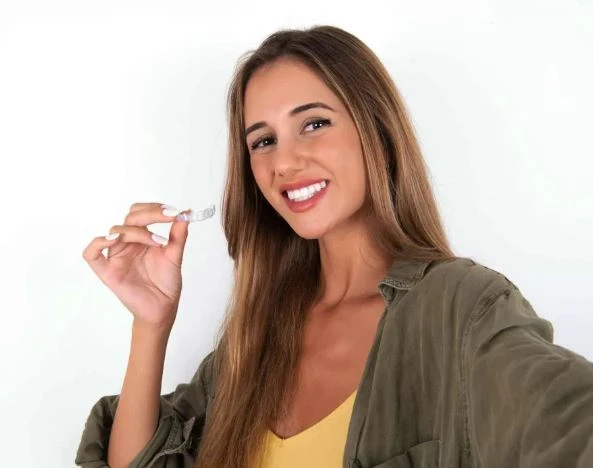
In recent years, invisible aligners have changed orthodontics dramatically. These clear trays are custom-made to fit snugly over teeth. They apply gentle pressure to shift teeth over time. Aligners are removable, making eating and cleaning easier than with braces. Many adults choose this option because of its discreet look. Aligner technology is now highly advanced, capable of correcting even complex cases. The combination of convenience and aesthetics has made aligners widely popular.
Comparing Options for Treatment
Both braces and aligners serve the same purpose but differ in experience. Braces are visible and fixed, but they provide strong control over movements. Aligners are less noticeable and more flexible but require discipline in wearing them consistently. Treatment time depends on the severity of gaps and patient cooperation. Consulting an orthodontist helps determine the best path based on individual needs. Both methods offer proven results when managed correctly.
Confidence Through Correction
Beyond health benefits, correcting gaps greatly boosts self-esteem. Smiles often influence first impressions, shaping social and professional interactions. People with corrected teeth often report feeling more comfortable in public. They smile more freely, enhancing their presence in personal and professional settings. Closing gaps is more than a cosmetic adjustment; it’s an emotional transformation. That confidence carries into every aspect of daily life.
The Role of Dental Technology
Today’s orthodontics relies on advanced imaging, digital scanning, and computer modeling. These tools allow precise planning of treatments. Patients can even preview results before beginning the process. Technology improves accuracy, shortens treatment times, and minimizes discomfort. From 3D printing aligners to advanced bonding methods for braces, the field continues to evolve. Such innovation ensures patients receive personalized, effective solutions with long-lasting outcomes.
Oral Hygiene During Treatment
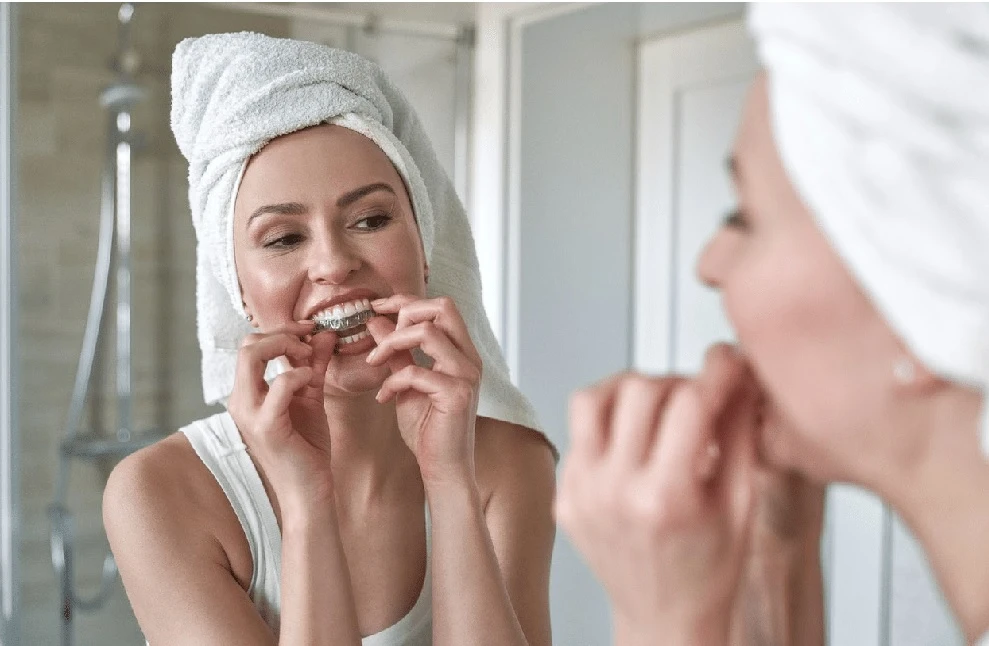
Maintaining oral hygiene is crucial during correction. Braces can trap food, requiring careful brushing and flossing. Special tools like interdental brushes help keep teeth clean. Aligners, being removable, allow for easier hygiene routines. However, patients must brush after meals before reinserting trays. Regular dental check-ups ensure treatment stays on track and gums remain healthy. Consistent care during this period protects results and prevents new issues from developing.
Dietary Adjustments
Orthodontic treatments sometimes require small changes in diet. Patients with braces avoid sticky or hard foods that may damage brackets. Aligners do not restrict food choices, but sugary snacks can increase cavity risk if oral hygiene is neglected. Drinking water often helps wash away debris and keep aligners fresh. These adjustments are small sacrifices compared to the long-term rewards of a healthier smile.
Longevity of Results
After completing treatment, retainers become essential. They prevent teeth from shifting back to their original positions. Retainers may be fixed or removable, depending on the case. Consistent use ensures the effort invested in correction is preserved. Without them, teeth can slowly drift, undoing months or years of progress. Long-lasting results require commitment even after braces or aligners are removed.
Emotional Impact of Treatment
Correcting gaps influences more than just physical appearance. It reduces self-consciousness, especially in social settings. Smiles play a role in relationships, interviews, and public interactions. Feeling comfortable with one’s teeth encourages openness and confidence. This emotional shift often motivates individuals to take better care of their oral health overall. The change is both external and internal, shaping a healthier, more confident lifestyle.
Considering Braces for Gap Closure
For individuals with significant spacing, braces for teeth gaps remain a reliable solution. Orthodontists can use different types of braces, from traditional metal to ceramic options. These systems apply steady pressure, gradually moving teeth closer together. Results may take time, but the progress is noticeable and rewarding. Braces continue to hold a strong place in orthodontic care.
Aligner Effectiveness in Gaps
Invisible aligners are now widely used to close spacing issues. They are effective for mild to moderate gaps, offering a flexible treatment path. Many adults prefer this option due to its comfort and subtle appearance. For those hesitant about braces, aligners provide an appealing alternative. However, orthodontists often recommend braces for teeth gaps when spaces are larger or more complex.
Choosing the Right Path
The decision between braces and aligners depends on many factors. These include the size of gaps, age, lifestyle, and budget. Orthodontists guide patients by explaining expected outcomes and timelines. With so many effective solutions, no one has to live with unwanted gaps. Each method, whether braces or aligners, leads to a straighter, healthier smile.
Long-Term Oral Health Benefits
Correcting gaps prevents food particles from being trapped between teeth. This lowers the risk of cavities and gum disease. It also improves bite alignment, reducing wear on teeth. Many patients find that their oral hygiene routines become easier after treatment. The advantages extend far beyond appearance, supporting lifelong dental health. Orthodontics is both a cosmetic and medical investment.
Conclusion
A smile is one of the most powerful forms of expression. Gaps may make some feel unique, while others seek correction. With modern orthodontic treatments, solutions are accessible and effective for all. Traditional methods like braces for teeth gaps remain reliable and precise, while aligners provide flexible and discreet alternatives. Both paths lead to healthier teeth, better function, and renewed confidence. Closing gaps is not just about appearance - it’s about unlocking the freedom to smile without hesitation. In the end, the right treatment brings health, beauty, and joy together in one radiant expression.
























Sign in to leave a comment.