
Choosing Between Braces and Clear Aligners
When considering orthodontic treatment, choosing between traditional braces and clear aligners can feel overwhelming. Both options are designed to move teeth into better positions and improve alignment gradually, but they differ in appearance, maintenance, comfort and daily requirements. The most suitable choice depends on your dental needs, treatment goals and lifestyle.
Clear aligners are often chosen by people who want a discreet treatment option. When researching treatment, many patients also consider the invisible braces cost, as pricing can vary depending on the complexity of tooth movement, treatment duration and the type of orthodontic care required. A dental professional can assess your teeth and explain which treatment options are appropriate for your individual needs.
How Traditional Braces Work
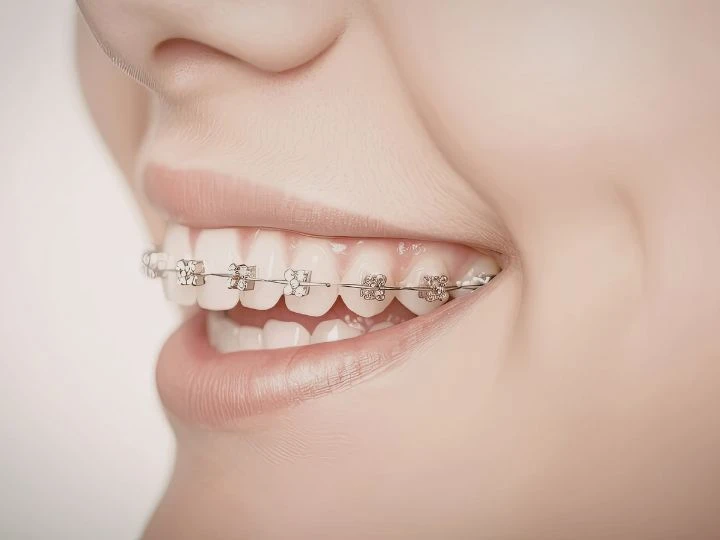
Traditional braces use brackets attached to the teeth and wires that apply controlled pressure to move teeth gradually. They remain fixed throughout treatment, meaning patients do not need to remember to put them back in after eating or cleaning. This can make them particularly useful for people who may find it difficult to follow the daily requirements associated with removable aligners.
Braces can be used to address a broad range of alignment and bite concerns. Modern options can also include ceramic or tooth coloured brackets, which are less noticeable than traditional metal braces. The appropriate type of braces depends on the patient's orthodontic needs and the treatment plan recommended by their dental professional.
What Makes Clear Aligners Different
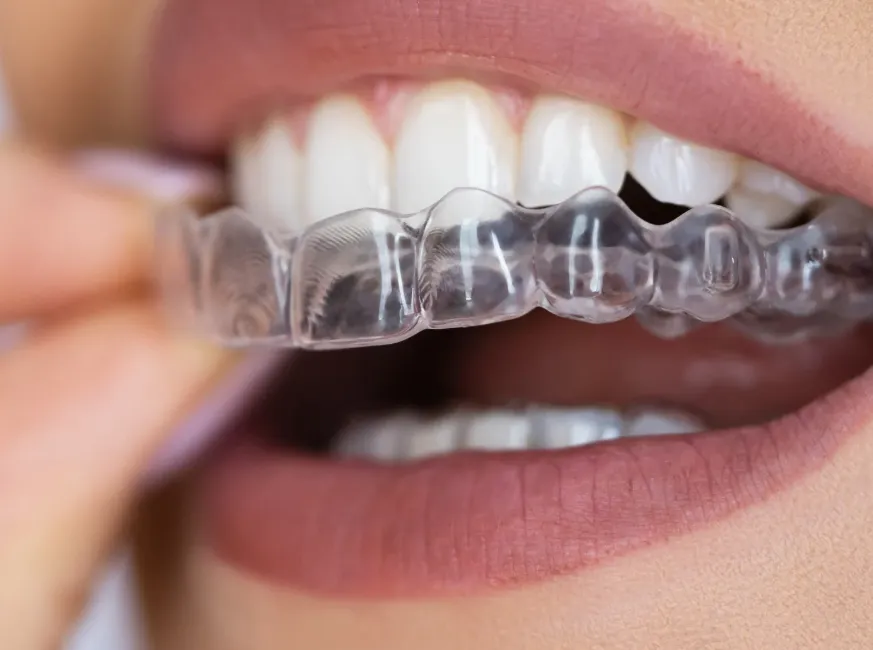
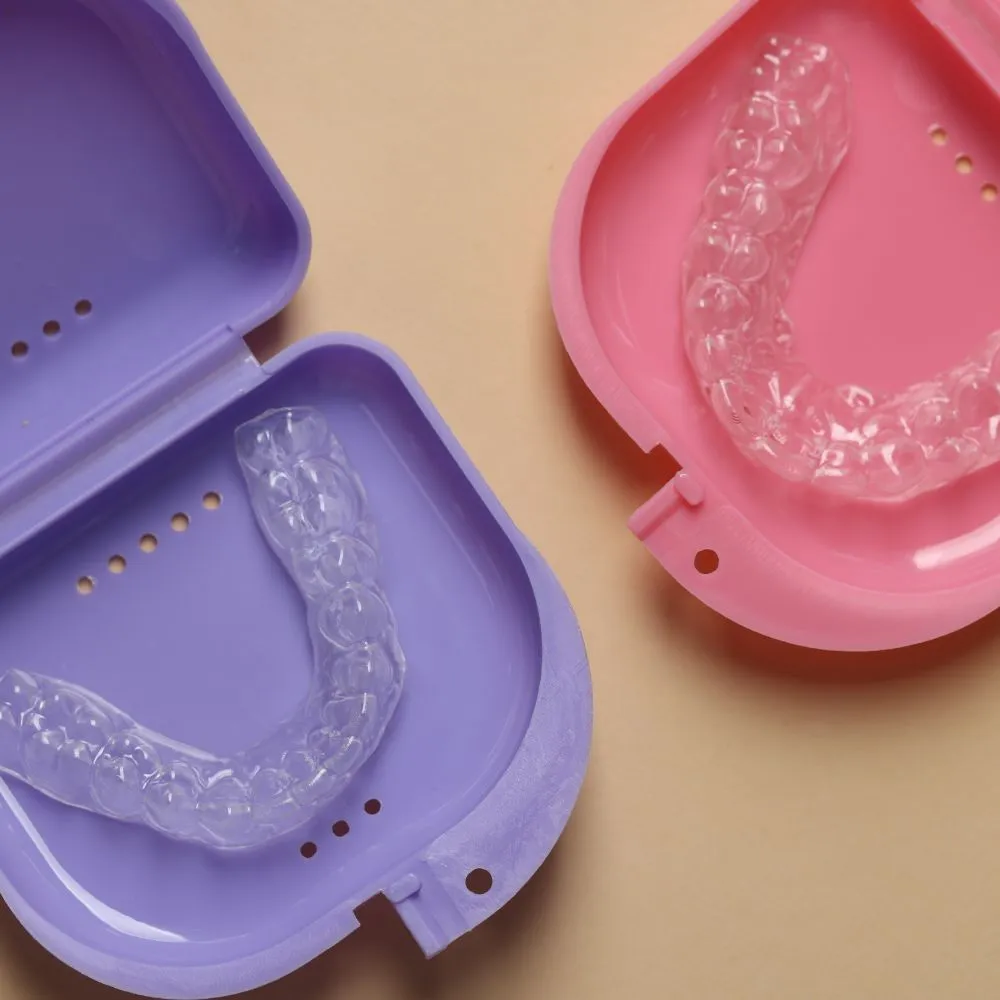
Clear aligners are custom made transparent trays that gradually guide teeth towards their planned positions. Unlike fixed braces, they can be removed when eating, drinking certain beverages and cleaning the teeth. Their discreet appearance makes them particularly appealing to adults and teenagers who may feel self-conscious about wearing traditional braces.
However, removable treatment requires commitment. Aligners generally need to be worn for most of the day to achieve the planned tooth movements. Patients must also clean their aligners regularly and follow their dentist or orthodontist's instructions carefully. If aligners are frequently removed or not worn for the recommended time, treatment progress may be affected.
Comparing Comfort and Appearance
Appearance is one of the main reasons people choose clear aligners. Because the trays are transparent, they can be considerably less noticeable than conventional metal braces. This can be useful for people who regularly attend meetings, work with clients, participate in social activities or simply prefer a subtle treatment option.
Braces are more visible, although ceramic options can provide a more discreet alternative. Both treatments can cause temporary discomfort as teeth respond to pressure. With braces, brackets and wires may also cause irritation during the adjustment period, while clear aligners can create pressure or a feeling of tightness when a new tray is introduced.
Eating and Maintaining Oral Hygiene
One important lifestyle difference involves eating. People wearing traditional braces need to be careful with certain hard, sticky or particularly chewy foods because these can damage brackets or wires. Cleaning around brackets and wires can also require additional care and specialised flossing techniques.
Clear aligners can be removed before meals, allowing patients to eat without the same food restrictions associated with fixed braces. However, teeth should be cleaned before putting the aligners back in whenever possible. Maintaining good oral hygiene is important with either treatment because orthodontic appliances can make cleaning more challenging.
Considering Treatment Time and Commitment
Treatment duration varies considerably from one person to another. The amount of tooth movement required, the complexity of the bite and how consistently treatment instructions are followed can all influence the overall timeline. There is no single treatment duration that applies to every patient.
Braces have the advantage of being fixed, so patients do not have to remember to wear them. Clear aligners provide greater flexibility but require strong personal commitment. Someone who frequently forgets to wear removable appliances may find fixed braces easier to manage.
Looking at the Overall Cost
Cost should be considered alongside treatment suitability rather than used as the only deciding factor. Orthodontic fees can differ according to the type of appliance, treatment complexity, length of treatment and the professional care involved. Clear aligners may have different pricing depending on the system and number of trays required.
When comparing the invisible braces cost, ask whether the quoted fee includes consultations, scans, attachments, refinements and retainers. Understanding what is included can help you compare treatment options more accurately rather than focusing only on the initial price.
Which Option May Suit Your Lifestyle?
Clear aligners may suit people who prioritise discreet treatment, want removable appliances and can consistently follow their wear schedule. They can also be convenient for people who prefer to remove their appliance while eating and brushing.
Traditional braces may be more suitable for patients who need comprehensive orthodontic correction or who would benefit from an appliance that remains in place throughout treatment. Your dental professional can evaluate your teeth, gums and bite before recommending an appropriate option.
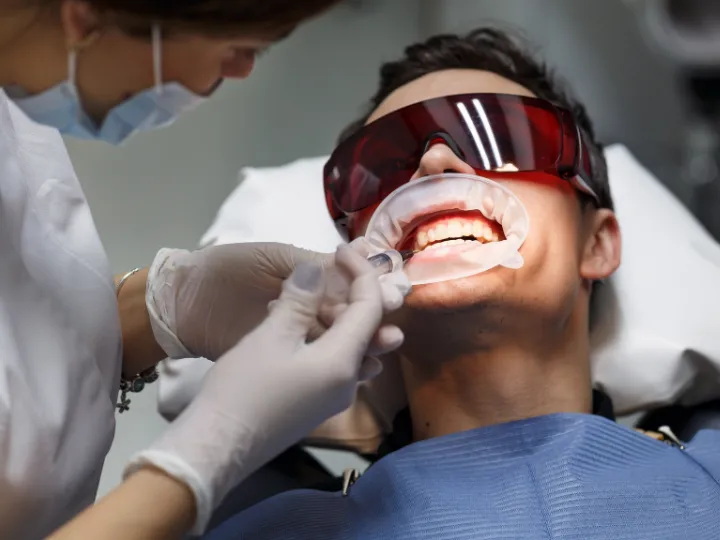
Before making your decision, speaking with a colyton dentist can help you understand your available orthodontic options and what each treatment could involve for your individual smile. A professional assessment is important because an appliance that works well for one person may not be appropriate for another.
Frequently Asked Questions
Are clear aligners better than traditional braces?
Neither option is automatically better for everyone. Clear aligners can offer discreet and removable treatment, while braces can provide effective fixed treatment for a wide range of orthodontic concerns. Suitability depends on the individual's dental condition and treatment goals.
Are clear aligners more comfortable than braces?
Clear aligners do not have brackets and wires, which may make them feel more comfortable for some patients. However, both options can cause temporary pressure or discomfort as teeth move.
Can I eat normally while wearing clear aligners?
Clear aligners are generally removed while eating, allowing patients to enjoy a wider range of foods. They should be cleaned and replaced according to the treatment instructions after meals.
How do I know whether braces or clear aligners are right for me?
A dental or orthodontic assessment is the best way to determine the appropriate option. Your dentist can evaluate your tooth alignment, bite, oral health and treatment goals before recommending a suitable approach.






















Sign in to leave a comment.