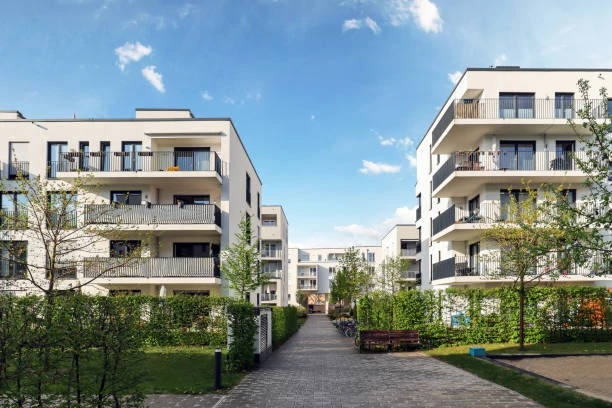

Real estate developers and investors in Brazil frequently face uncertainty when trying to forecast demand amid fluctuating interest rates, regional economic disparities, and shifting buyer preferences between urban apartments and suburban homes. These challenges make it difficult to allocate capital effectively or time new project launches for maximum returns. A thorough examination of the Brazilian residential real estate market provides the clarity needed for data-driven decision making and helps stakeholders identify sustainable growth opportunities in this dynamic sector.
Future Outlook for the Brazil Residential Real Estate Market
The Brazilian residential real estate market is positioned for sustained expansion through 2034. Continued urbanization, demographic growth, and supportive government policies should maintain upward pressure on housing demand. Low interest rate environments will likely encourage further mortgage origination and stimulate construction activity across multiple price segments.
Infrastructure investments and urban renewal projects will create new residential corridors and revitalize existing neighborhoods. The ‘Casa Verde e Amarela’ program and similar initiatives are expected to broaden homeownership rates while supporting developers with consistent project pipelines.
Market trends suggest greater focus on affordable and mid-income housing, technology-enabled sales processes, and environmentally conscious designs. As consumer insights evolve toward properties that offer both functionality and lifestyle benefits, developers who adapt quickly will capture larger market shares. Overall, the Brazil residential real estate market trend points toward steady, policy-supported growth with increasing sophistication in product offerings and buyer engagement.
Current State of the Brazilian Residential Real Estate Market
The Brazilian residential real estate market reached USD 63.2 billion in 2025. Industry projections show expansion to USD 102.6 billion by 2034, supported by a compound annual growth rate of 5.52% during the 2026 to 2034 forecast period. This growth reflects the sector’s central role in providing single-family homes, condominiums, apartments, townhouses, and other dwelling options for individuals and families.
Rapid urbanization stands out as a defining characteristic. Major cities such as São Paulo, Rio de Janeiro, and Brasília experience concentrated demand for multi-family homes and high-density residential projects. These urban centers attract workers seeking proximity to employment opportunities, services, and infrastructure, which sustains consistent absorption rates for new housing units.
Key Market Statistics:
- 2025 market valuation: USD 63.2 billion
- 2034 projected valuation: USD 102.6 billion
- Forecast CAGR: 5.52%
- Primary growth drivers: demographic shifts and policy initiatives
What Drives Growth in the Brazilian Residential Real Estate Market
Several interconnected factors fuel momentum in the Brazilian residential real estate market. Low interest rates improve mortgage affordability and stimulate demand across mid-tier and high-end segments. A rapidly growing population combined with a strong job market increases the number of households seeking stable housing solutions.
Urbanization trends continue to redirect population flows toward metropolitan areas, creating sustained requirements for both vertical construction and planned communities. Infrastructure development projects enhance connectivity and living standards in emerging neighborhoods, making them more attractive to buyers. Government investments provide additional support through targeted programs that reduce barriers to homeownership.
The ‘Casa Verde e Amarela’ initiative delivers subsidies and low-interest loans to eligible lower-income families. This program addresses housing deficits in less-developed areas, generates employment in construction, and offers private developers tax incentives and favorable financing terms. Such measures expand the addressable market while stimulating overall economic activity.
Regional Variations Across the Brazilian Residential Real Estate Market
The Brazilian residential real estate market displays distinct patterns when examined by geography. The Southeast region maintains leadership due to its economic concentration, established infrastructure, and large population centers including São Paulo and Rio de Janeiro. This area benefits from robust job creation and attracts both domestic and international capital for residential projects.
The South follows with strong performance linked to industrial activity and higher average incomes that support quality housing demand. The Northeast shows significant potential as urbanization accelerates and government programs target housing shortages in the region. The North and Central-West regions present emerging opportunities tied to resource-based economies, new infrastructure corridors, and internal migration patterns.
These regional differences require tailored development strategies that account for local income levels, cultural preferences, and infrastructure readiness.
Property Type Segmentation and Consumer Insights in the Brazilian Residential Real Estate Market
Segmentation analysis reveals clear preferences within the Brazilian residential real estate market. Apartments and condominiums appeal strongly to urban professionals and younger families who prioritize location, security features, and access to shared amenities such as gyms, pools, and green spaces. These formats align well with high-density living in congested metropolitan areas where land scarcity drives vertical construction.
Villas and landed houses attract buyers seeking more space, privacy, and connection to outdoor areas. This segment performs better in suburban or secondary city locations where families value larger plots and community-oriented environments. Consumer insights indicate that purchase decisions increasingly incorporate lifestyle considerations, including proximity to schools, workplaces, and recreational facilities.
Rising middle-class aspirations and improved access to financing expand the pool of potential buyers across both segments. Many households now view residential property as both a home and a long-term investment, which supports demand for well-designed, durable developments.
Competitive Analysis and Market Trends in the Brazilian Residential Real Estate Market
The competitive landscape in the Brazilian residential real estate market features a mix of large national developers, regional specialists, and international investors. Companies differentiate through project quality, sustainability features, timely delivery, and innovative financing options that address diverse buyer profiles.
Recent transactions illustrate ongoing consolidation and strategic repositioning. In December 2023, Credit Suisse sold its Brazilian real estate fund management business to Patria Investments for approximately USD 130 million. Such moves signal confidence in the sector’s long-term fundamentals and the value of specialized local expertise.
Market trends show growing emphasis on sustainable construction practices, smart home integration, and mixed-use developments that combine residential units with retail or office space. Developers increasingly incorporate green building standards to meet evolving buyer expectations and regulatory requirements.
Challenges Restraining the Brazilian Residential Real Estate Market
Despite positive indicators, the Brazilian residential real estate market remains sensitive to interest rate fluctuations. Even modest increases can reduce mortgage affordability and dampen buyer sentiment. Historical periods of elevated rates have demonstrated how quickly demand can contract when financing costs rise.
Economic volatility, income inequality across regions, and bureaucratic hurdles in project approvals create additional complexities for developers. Addressing these issues requires careful risk management and close monitoring of macroeconomic signals.
Actionable Strategies for Data-Driven Decision Making
- Prioritize Southeast and South regions for larger-scale projects while allocating resources to high-potential Northeast markets for affordable housing initiatives.
- Align product mixes with segmentation data by balancing apartment and condominium developments with selective villa and landed house offerings in suburban locations.
- Monitor interest rate movements closely and maintain flexible financing partnerships to mitigate affordability risks for end buyers.
- Incorporate sustainability features and smart technologies to differentiate projects and appeal to modern consumer insights.
- Engage with government housing programs to access incentives and expand reach into lower-income buyer segments.
- Conduct regular competitive analysis to benchmark project timelines, pricing strategies, and amenity packages against leading market participants.
Download a sample copy of the report
Conclusion
The Brazilian residential real estate market, valued at USD 63.2 billion in 2025 and projected to reach USD 102.6 billion by 2034 at a 5.52% CAGR, demonstrates resilience supported by urbanization, favorable demographics, infrastructure growth, and targeted government policies. Low interest rates and programs such as ‘Casa Verde e Amarela’ expand access to housing while creating opportunities across apartments, condominiums, villas, and landed houses.
Businesses that leverage these insights for competitive analysis and strategic planning can better navigate regional variations and market trends. As the Brazil residential real estate market continues to mature, accurate intelligence will enable more precise investment decisions and support sustainable development that meets evolving consumer needs across the country.



























Sign in to leave a comment.