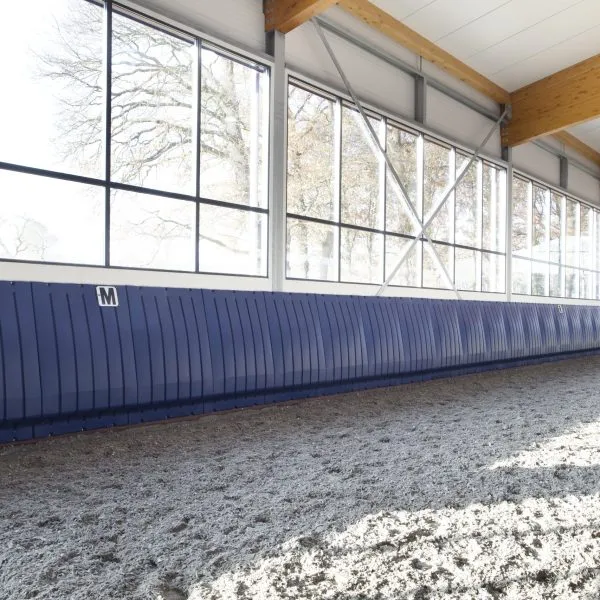

Equine rehabilitation is no longer limited to rest, basic hand-walking, and waiting for a horse to “come right.” Modern rehab centers now follow more structured programs that combine veterinary guidance, controlled movement, therapy support, and gradual conditioning. This approach helps horses recover more safely and return to work with better strength, balance, and confidence. For facilities that work closely with veterinarians, the right equine rehabilitation equipment for vets can make rehab programs more consistent, practical, and effective. It does not replace skilled care, but it helps professionals apply that care in a more controlled and reliable way.
The Role of Equipment in Modern Equine Rehabilitation
Every horse enters rehab with different needs. Some are recovering from tendon or ligament injuries, while others may be rebuilding strength after surgery, illness, extended rest, or reduced activity. A performance horse may need a gradual return-to-work program, while an older horse may need support with mobility, circulation, and comfort.
Advanced equipment helps rehab centers manage these different needs with more precision. Instead of relying on one general routine for every horse, professionals can create programs that match the horse’s condition, fitness level, and stage of recovery.
This is especially important because rehabilitation needs balance. Too much movement can overload healing tissues, while too little movement can lead to stiffness, muscle loss, and slower progress. Therapy and training equipment helps create that middle ground where horses can move, strengthen, and recover under controlled conditions.
Why Controlled Movement Matters
Controlled movement is one of the most important parts of equine rehabilitation. Horses are large, powerful animals, and even light exercise can become risky if it is not managed properly. A horse that is fresh, anxious, sore, or unbalanced may move in a way that places extra stress on the body.
This is where professional equine training equipment becomes valuable. Equipment such as horse walkers, treadmills, and therapy platforms allows rehab teams to introduce movement gradually and repeat it consistently. The horse can work within a safer environment, while the team can control the duration, intensity, and progression of each session.
A structured approach also makes it easier to monitor progress. If a horse is comfortable with a short session, the workload can be increased slowly. If there are signs of stiffness, soreness, or fatigue, the program can be adjusted before the issue becomes more serious.
How Therapy Equipment Supports Recovery
Therapy equipment is used to support the body during rehabilitation, conditioning, and maintenance. In many rehab centers, it forms part of a wider plan that may also include veterinary treatment, physiotherapy, farrier care, massage, stretching, and carefully managed exercise.
Vitafloor, for example, focuses on equine vibration therapy systems that are used by rehab centers, trainers, and equine professionals to support recovery, conditioning, and overall performance care. These systems are designed to fit into professional equine environments where horses need consistent support as part of a structured routine.
Vibration therapy platforms may be used to encourage muscle activity, support circulation, and help horses maintain or rebuild condition as part of a broader rehab program. They are not a standalone cure or replacement for diagnosis and treatment, but they can be a useful addition when used correctly by experienced professionals.
Supporting Strength, Mobility, and Confidence
A horse coming back from injury or time off often needs more than healing. It also needs to rebuild strength, coordination, balance, and confidence. Even after the original issue improves, the horse may still be weaker on one side, less flexible, or less prepared for normal work.
Advanced training and therapy equipment helps bridge this gap. It allows rehab centers to move horses from early recovery into gradual conditioning without rushing the process. The focus is not simply on getting the horse moving again, but on helping the horse move well.
This matters because poor conditioning can increase the risk of future strain. A horse that returns to work before it has rebuilt enough strength may compensate in other areas of the body, creating new problems. A controlled program gives the horse time to adapt physically and mentally.
Conclusion
Equine rehab centers rely on advanced training and therapy equipment because modern rehabilitation needs structure, consistency, and control. Horses recover best when their programs are carefully managed, gradually progressed, and supported by experienced professionals. The right equipment helps rehab teams guide horses through each stage of recovery, from early movement to strength building and return-to-work preparation. It supports veterinary care, improves routine, and gives facilities better ways to manage each horse’s individual needs.


























Sign in to leave a comment.