

Addiction is not only a personal battle but also a family affair. For families in Chandigarh and its vicinity seeking help, the search for the best nasha mukti kendra in Chandigarh can be challenging. With numerous treatment centers promising to provide the best recovery services, it may be hard to know what to look for in a good rehab facility.
This article aims to highlight the essential services of a good de-addiction center, explain the rehab process, and provide questions to ask before admitting your loved ones to any of the treatment centers in your locality.
Why Chandigarh Has Become a Hub for De-Addiction Treatment
Chandigarh's growth as a regional healthcare center has made it a natural choice for families across Punjab, Haryana, and Himachal Pradesh looking for de-addiction support. A well-run nasha mukti kendra in Chandigarh typically combines medical detoxification, psychological counseling, and long-term rehabilitation planning under one roof — something smaller local clinics often cannot provide.
The city's proximity to Punjab, a state that has faced serious substance abuse challenges over the past two decades, has also pushed many centers here to specialize specifically in opioid, alcohol, and prescription drug dependency.
What a Genuine Nasha Mukti Kendra Should Offer
Not every rehabilitation center follows the same standard of care. Before choosing a nasha mukti kendra in Chandigarh, families should look for the following essentials.
1. Medical Detoxification Under Supervision
Withdrawal symptoms — especially from alcohol, opioids, or benzodiazepines — can be medically dangerous if not managed properly. A credible center should have qualified doctors and nursing staff available round the clock during the detox phase, not just counselors.
2. Individual and Group Counseling
Addiction recovery isn't purely physical. Psychological counseling helps patients understand the root causes of substance use — whether it's trauma, peer pressure, stress, or untreated mental health conditions. Group therapy sessions also help patients realize they are not alone in this struggle.
3. Structured Daily Routine
Recovery centers that follow a disciplined daily schedule — including therapy sessions, physical activity, meals, and rest — tend to show better long-term outcomes than centers with unstructured programs.
4. Family Involvement in Treatment
Addiction recovery works best when family members are educated and involved. Good centers conduct periodic family counseling sessions and teach relatives how to support the patient without enabling relapse.
5. Aftercare and Relapse Prevention
Treatment doesn't end at discharge. A responsible nasha mukti kendra in Chandigarh should offer follow-up support, relapse prevention planning, and access to support groups even after the patient returns home.
Common Types of Addiction Treated
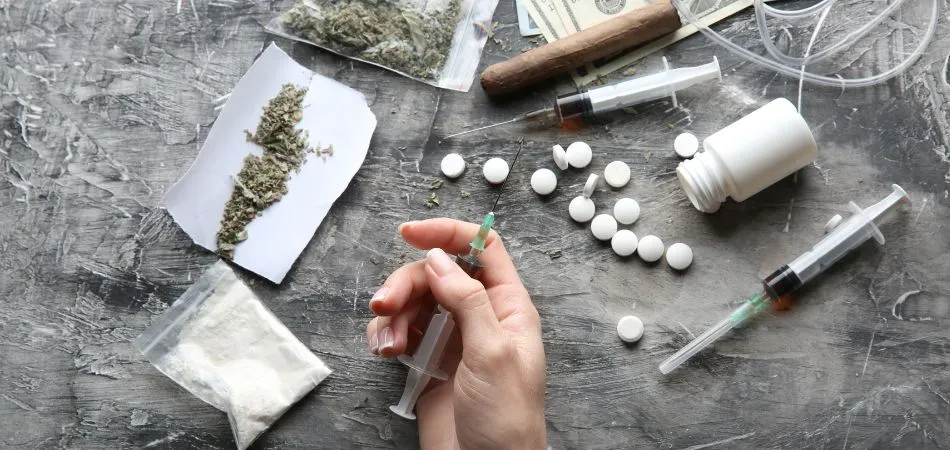
Most de-addiction centers in Chandigarh handle a wide range of substance dependencies, including:
- Alcohol addiction
- Opioid and heroin dependency
- Prescription drug misuse (sedatives, painkillers)
- Cannabis and synthetic drug addiction
- Tobacco and nicotine dependency
- Behavioral addictions such as gambling, in some specialized centers
Each of these requires a slightly different treatment approach, so it's worth asking a center directly whether they have specific experience with the substance involved.
The Typical Treatment Process
While every center structures its program a little differently, most reputable rehabilitation centers follow a similar overall framework:
Step 1: Assessment and Diagnosis
An initial medical and psychological evaluation to understand the severity of addiction, any co-occurring mental health conditions, and physical health status.
Step 2: Detoxification
A medically supervised process to safely clear the substance from the body while managing withdrawal symptoms.
Step 3: Rehabilitation and Therapy
This phase focuses on behavioral therapy, counseling, life-skills training, and sometimes vocational guidance to help patients rebuild a stable, substance-free lifestyle.
Step 4: Reintegration and Aftercare
Patients are gradually prepared to return to daily life, with continued support through follow-up sessions, support groups, or outpatient check-ins.
Questions to Ask Before Choosing a Center
Before admitting a family member to any nasha mukti kendra in Chandigarh, it's worth asking:
- Is the center licensed and government-recognized?
- What qualifications do the doctors and counselors hold?
- What is the doctor-to-patient and staff-to-patient ratio?
- Does the program include a structured aftercare plan?
- Are family counseling sessions part of the program?
- What is the average duration of treatment for cases similar to yours?
A center that answers these questions transparently, without pressuring you into an immediate decision, is usually a good sign of professionalism.
Red Flags to Watch Out For
While researching options, be cautious of centers that:
- Guarantee a "100% permanent cure" in an unrealistically short time
- Have no visible medical staff or licensed doctors
- Avoid discussing their treatment methodology in detail
- Rely heavily on isolation or restrictive practices instead of therapy
- Have no aftercare or follow-up support system
Recovery is a gradual process, and any center promising instant, guaranteed results should be evaluated carefully.
Final Thoughts
Choosing the right nasha mukti kendra in Chandigarh is one of the most important decisions a family can make during a difficult time. The right center will combine medical care, psychological support, family involvement, and long-term aftercare — not just short-term detox.
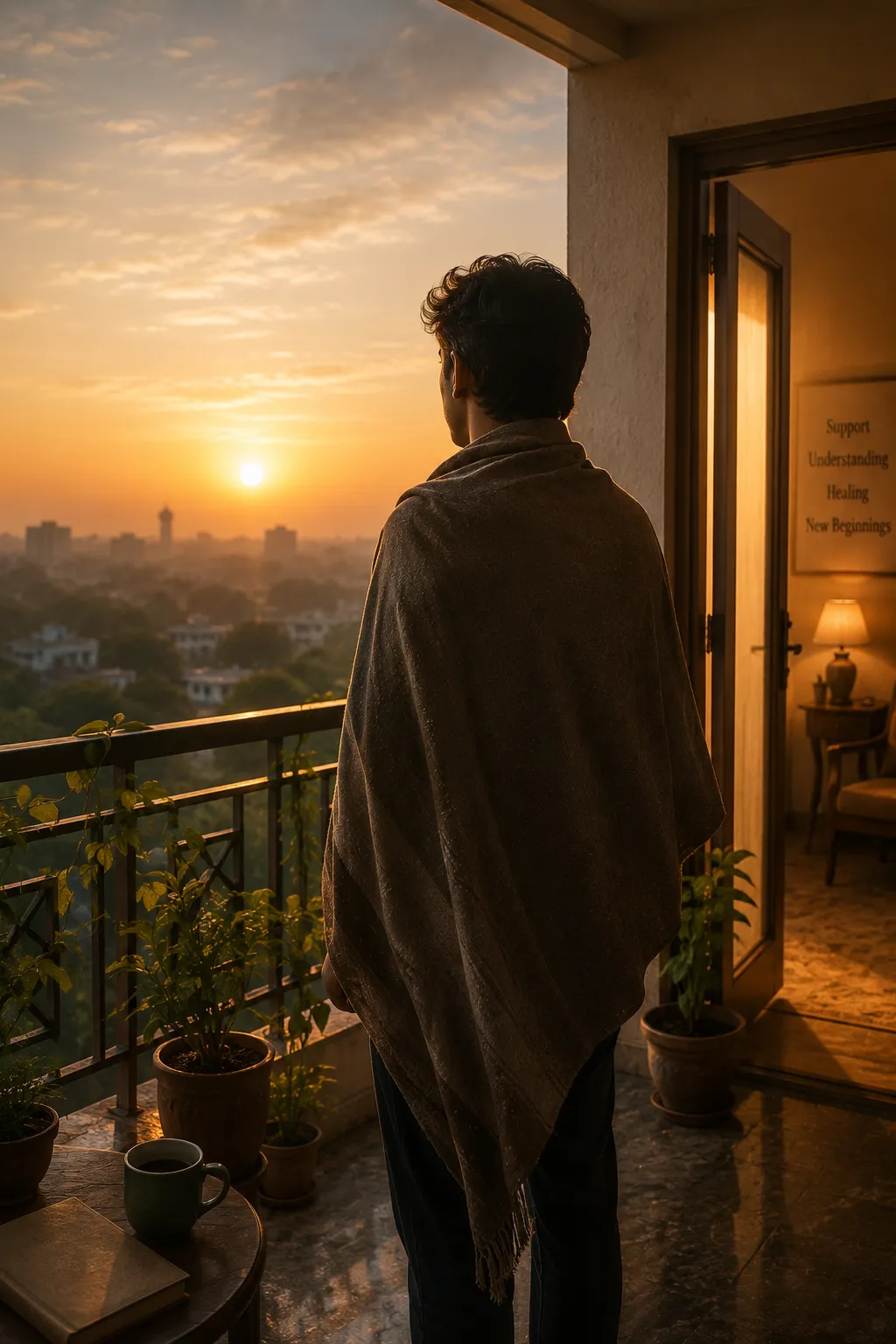
Take time to visit the facility if possible, talk to the staff, and ask direct questions before making a decision. Recovery is possible with the right support system, and choosing a center that treats the whole person — not just the addiction — makes all the difference in long-term success.
























Sign in to leave a comment.