

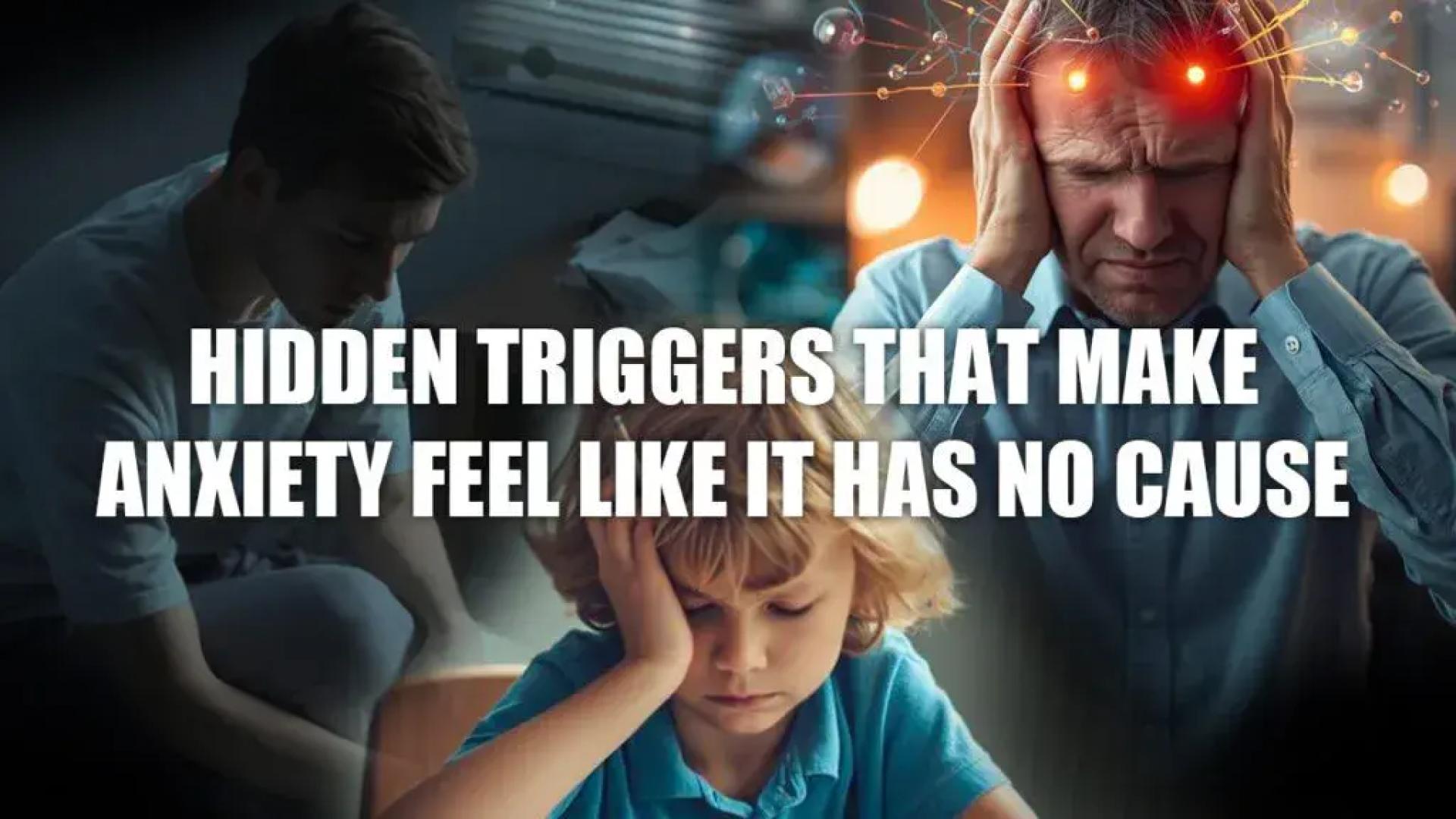
Obsessive-Compulsive Disorder (OCD) is more than just being organized or liking things “a certain way.” For those living with OCD, intrusive thoughts and repetitive behaviors can become overwhelming, making daily life feel like an unending loop of anxiety, doubt, and distress. Many individuals suffering from OCD silently search for help, typing “anxiety dr near me” into their browser, not realizing that effective and compassionate treatment is within reach.
At Mental Health Counselor PLLC, we specialize in evidence-based psychotherapy that targets the root causes of OCD, helping individuals learn to manage obsessive thoughts and compulsive behaviors. Our experienced team, including certified clinical mental health counselors and skilled mental health technicians, offers personalized care for those ready to break free from the cycle of OCD.
Understanding OCD: More Than Habits
Obsessive-Compulsive Disorder is a complex mental health condition that involves two primary symptoms:
- Obsessions: Intrusive, unwanted thoughts, urges, or images that cause distress
- Compulsions: Repetitive behaviors or mental rituals performed to reduce anxiety caused by obsessions
Common obsessions include fears of contamination, harming others, religious blasphemy, or doubts about safety. Compulsions often include excessive washing, checking, counting, or repeating behaviors until they “feel right.”
While these actions may provide temporary relief, they ultimately reinforce the anxiety and worsen the OCD cycle. That’s where psychotherapy can be life-changing.
How Psychotherapy Helps Break OCD Patterns
The most effective treatment for OCD is a type of psychotherapy called Exposure and Response Prevention (ERP), a branch of Cognitive Behavioral Therapy (CBT). ERP helps individuals confront their fears without resorting to compulsive behaviors, teaching the brain that distress will pass on its own.
Working with a certified clinical mental health counselor, clients are guided through structured steps that may include:
- Gradually facing feared situations (exposure)
- Preventing the compulsive response (response prevention)
- Learning new ways to manage anxiety and uncertainty
- Rewiring cognitive distortions linked to obsessions
This therapy process is challenging, but it is also empowering. Over time, clients experience fewer obsessions, reduced compulsions, and a stronger sense of control.
The Vital Role of Mental Health Technicians
Recovery from OCD doesn’t happen only in the therapy room—it continues into everyday life. That’s why our mental health technicians work alongside our licensed therapists to provide essential support between sessions.
Technicians assist with:
- Practicing ERP techniques in real-world environments
- Offering guidance and encouragement when compulsions arise
- Monitoring symptom progression and emotional patterns
- Reinforcing therapy goals with practical tools
This team-based approach ensures that no client feels alone in their recovery journey. Whether someone needs help managing intrusive thoughts during their daily commute or reminders to use coping tools at home, our mental health technicians are there every step of the way.
OCD and Anxiety: A Powerful Connection
Many people living with OCD also struggle with generalized anxiety, panic attacks, or social anxiety. Obsessions often stem from exaggerated fears of something terrible happening, and the compulsions are an attempt to gain control or prevent catastrophe.
If you’ve ever searched for an anxiety dr near me, there’s a good chance you’re dealing with this layered experience. Psychotherapy doesn’t just treat OCD symptoms—it addresses the underlying anxiety, too.
At Mental Health Counselor PLLC, our integrated therapy approach helps clients develop resilience, emotional flexibility, and greater tolerance for uncertainty—essential skills for reducing both OCD and anxiety symptoms.
Signs You Might Be Living With OCD
Many people delay seeking help because they confuse OCD with perfectionism or don’t realize their habits are driven by anxiety. You might be dealing with OCD if:
- You experience distressing, repetitive thoughts you can’t control
- You feel compelled to perform rituals to reduce anxiety or “prevent” harm
- You avoid situations or people that trigger your obsessions
- You spend more than an hour a day on compulsive behaviors
- Your routines interfere with work, relationships, or daily activities
If any of this sounds familiar, seeking therapy from a certified clinical mental health counselor can be a turning point.
Tailored Treatment, Real Results
Every client’s OCD experience is different, which is why personalized therapy is crucial. At Mental Health Counselor PLLC, we develop individualized treatment plans that may include:
- Weekly or biweekly psychotherapy sessions
- In-person or virtual support from mental health technicians
- Tools for tracking and managing progress
- Coping strategies tailored to your lifestyle
- Support for co-occurring conditions like anxiety or depression
Our goal is to provide not just symptom relief, but long-term recovery and improved quality of life.
Why Early Treatment Matters
OCD doesn’t go away on its own. In fact, without treatment, it often becomes more entrenched over time. That’s why early intervention is so important. The sooner you begin psychotherapy, the sooner you can start reclaiming time, energy, and mental space from obsessive thoughts and compulsive rituals.
Many people hesitate to reach out, fearing judgment or misunderstanding. But at Mental Health Counselor PLLC, we understand OCD and treat it with respect, empathy, and clinical expertise.
Ready to Take the First Step?
Living with OCD can feel isolating, but you don’t have to fight it alone. With the right therapeutic support, it’s possible to unlearn the patterns that fuel obsessions and compulsions—and rediscover the calm and confidence that OCD has taken away.
If you’re ready to explore psychotherapy for OCD, we invite you to contact us and schedule a consultation. Whether you’ve already been searching for an anxiety dr near me or are taking your first step toward healing, our doors—and hearts—are open.
Stay connected with us for mental health tips, inspiration, and resources by following our community on Facebook, Instagram, and LinkedIn. You don’t have to live in fear of your own thoughts. Help is here, and healing is possible.




























Sign in to leave a comment.