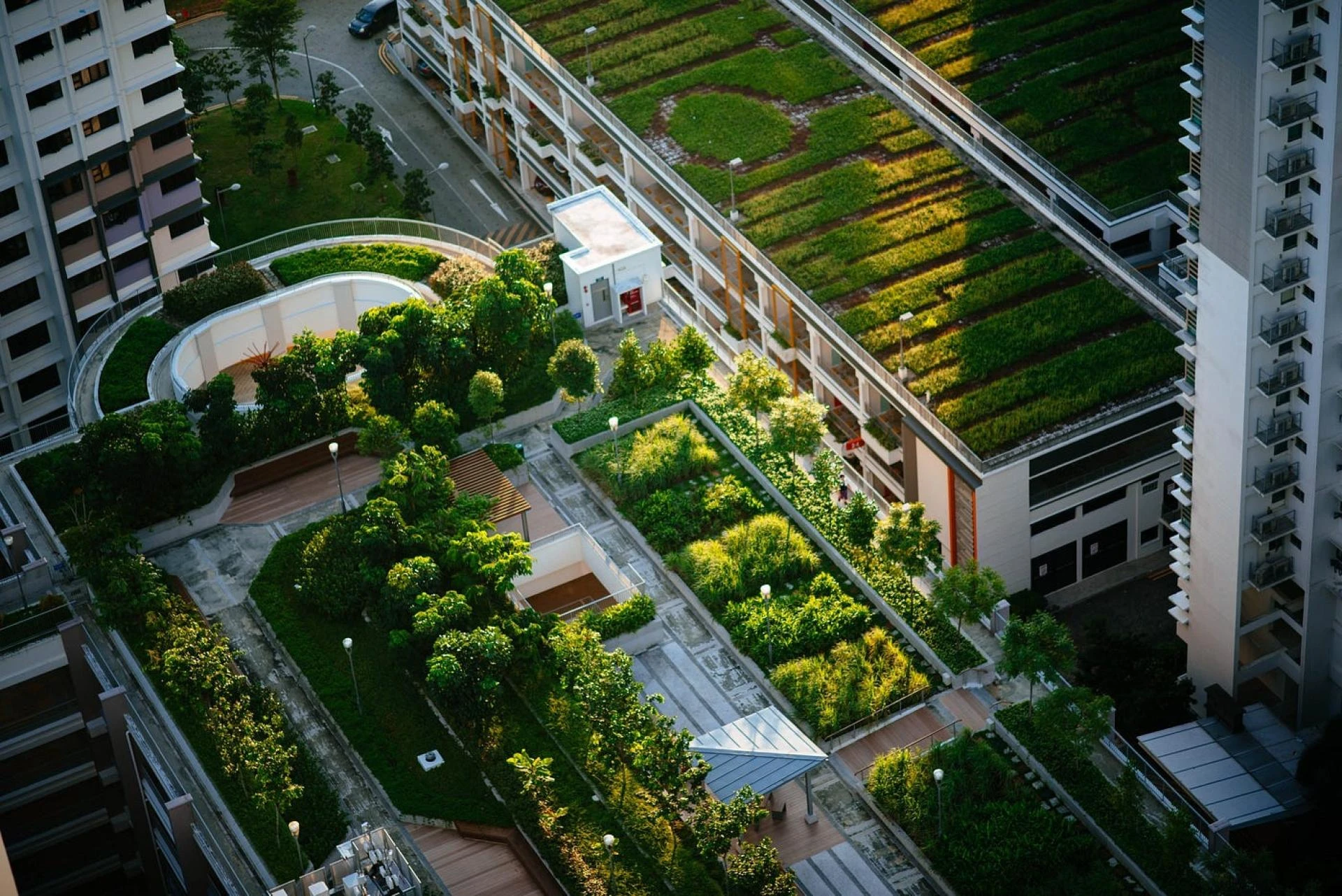

In the concrete jungles that define modern urban landscapes, a silent revolution is taking root, climbing walls and blanketing rooftops with vibrant life. Vertical gardens and rooftop greening initiatives are no longer niche trends but powerful tools transforming our cities into more sustainable, healthy, and aesthetically pleasing environments. In this article, we will delve into the concept of vertical gardens, explore their multifaceted benefits, and understand how they contribute to a greener urban future.
What is the Concept of a Vertical Garden?
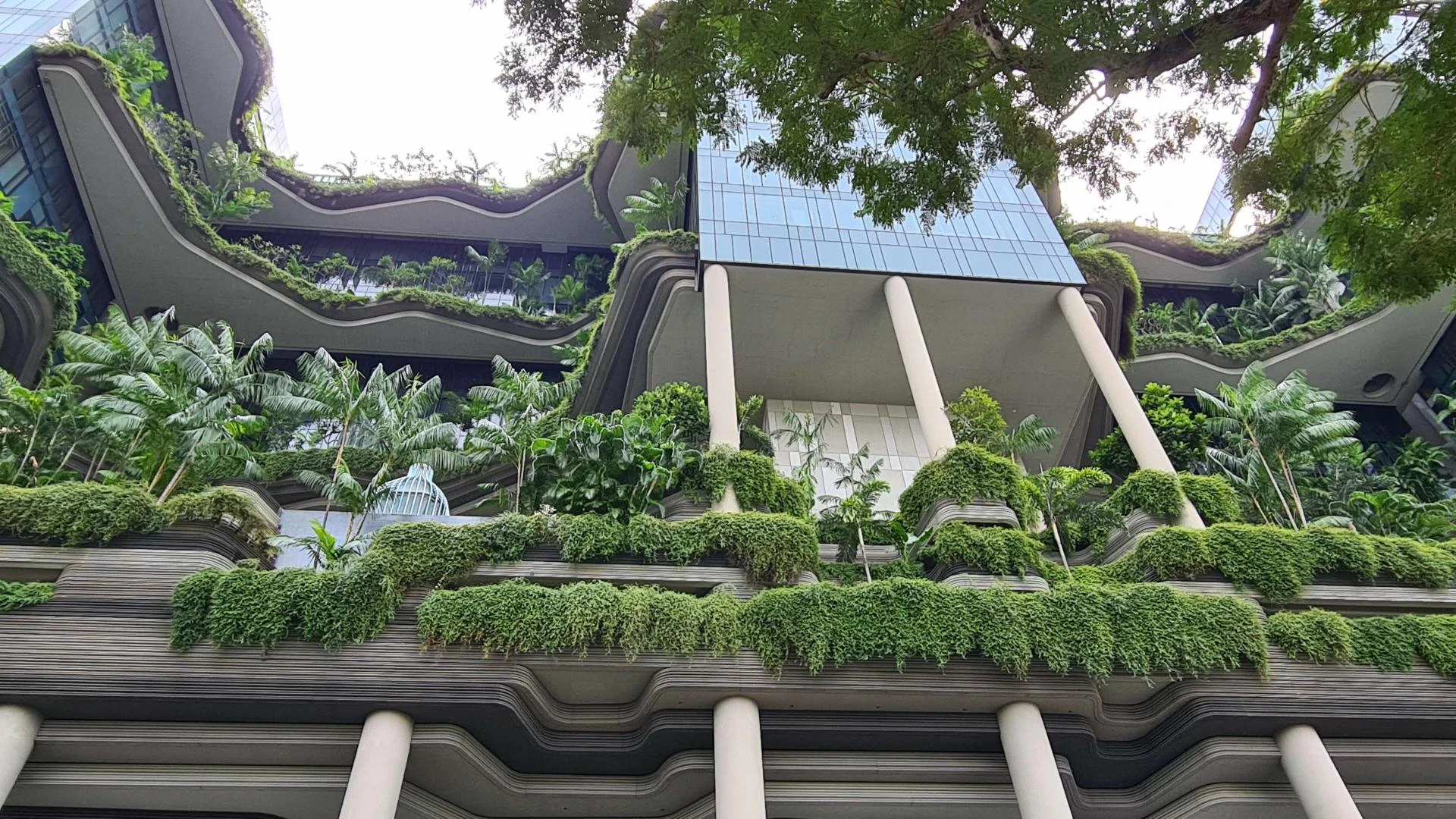
A vertical garden in urban spaces, simply put, is a method of growing plants in a vertically suspended panel using hydroponics, vertical stacking, or container-based systems. Unlike traditional gardening that utilizes horizontal land, vertical gardens maximize space by utilizing walls and vertical structures. This innovative approach to horticulture is particularly relevant in densely populated urban areas where ground space is a premium.
The core concept revolves around creating a self-sustaining ecosystem for plant growth on a vertical plane. This can be achieved through various techniques:
- Living Walls (Green Walls): These are complex systems that integrate plants directly into a structural wall. They often involve a framework attached to the wall, supporting modular panels or a felt-like material that holds the growing medium and plants. Irrigation and nutrient delivery are typically automated through integrated systems.
- Stacked Planters: A simpler approach involves stacking containers or planters vertically. This method is highly adaptable and can be used in balconies, patios, and even indoors. Various commercially available stacking planters cater to different aesthetic preferences and plant types.
- Pallet Gardens: Repurposing wooden pallets is an eco-friendly way to create vertical gardens. Pallets can be modified to hold pots or lined with fabric to create planting pockets. This is a cost-effective and DIY-friendly option.
- Hanging Baskets and Containers: Suspending pots and baskets from walls, balconies, or ceilings is another form of vertical gardening. This is particularly suitable for trailing plants and herbs.
- Hydroponic and Aeroponic Systems: These soilless methods deliver water and nutrients directly to the plant roots. In vertical hydroponic systems, plants are grown in tubes or channels, while aeroponic systems suspend roots in the air and mist them with nutrient-rich solutions. These methods are highly efficient in terms of water and nutrient use.
The choice of vertical gardening system depends on factors such as available space, budget, plant type, and desired aesthetic. Regardless of the method, the fundamental principle remains the same: to bring the benefits of greenery to urban environments by utilizing vertical surfaces.
What are the Benefits of Vertical Gardens?
The adoption of vertical gardens in urban spaces offers a plethora of environmental, economic, and social benefits, making them a powerful tool for urban sustainability and improved quality of life.
Environmental Benefits:
- Improved Air Quality: Urban areas often suffer from high levels of air pollution. Plants in vertical gardens act as natural air filters, absorbing pollutants like carbon dioxide, sulfur dioxide, nitrogen oxides, and particulate matter. Through photosynthesis, they release oxygen, contributing to cleaner and healthier air for city dwellers. The sheer surface area of foliage in a well-established vertical garden can significantly impact local air quality.
- Reduced Urban Heat Island Effect: Cities tend to be warmer than surrounding rural areas due to the abundance of heat-absorbing materials like concrete and asphalt. Plants in vertical gardens and on green roofs help to mitigate this "urban heat island effect" through evapotranspiration, a process where water evaporates from leaves, cooling the surrounding air. This can lead to lower energy consumption for cooling buildings and improved thermal comfort in urban areas.
- Enhanced Biodiversity: Vertical gardens can create habitats for various insects, birds, and other small urban wildlife, thus supporting urban biodiversity. By providing food sources (flowers, berries) and shelter, these green structures can contribute to a more ecologically diverse urban ecosystem. Even small-scale vertical gardens can attract pollinators like bees and butterflies, crucial for plant reproduction in the wider environment.
- Stormwater Management: Green walls and roofs can help manage stormwater runoff. The vegetation and growing medium intercept rainfall, reducing the volume and speed of water flowing into drainage systems. This can alleviate pressure on urban drainage infrastructure, reducing the risk of flooding and water pollution by filtering out some pollutants before the water reaches drains.
- Energy Efficiency: Vertical gardens can provide insulation to buildings, helping to regulate indoor temperatures. In the summer, the plant cover can shade walls, reducing the amount of heat absorbed by the building and lowering the need for air conditioning. In the winter, the added layer of vegetation can provide insulation, helping to retain heat inside. This can lead to significant energy savings for building owners and occupants.
Economic Benefits:
- Increased Property Value: Buildings with aesthetically pleasing vertical gardens and green roofs often command higher property values and rental rates. The visual appeal and the associated environmental benefits make them more attractive to potential buyers and tenants.
- Food Security: Vertical gardens can be used for urban agriculture, allowing residents to grow fresh produce locally. This can reduce transportation costs and the carbon footprint associated with food production and distribution. Community vertical gardens can also foster social interaction and provide access to healthy, affordable food.
- Job Creation: The design, installation, and maintenance of vertical gardens and green roofs can create new employment opportunities in areas such as horticulture, landscaping, and green building technology.
- Reduced Healthcare Costs: The improved air quality and the positive impact on mental health associated with vertical gardens can contribute to a healthier population, potentially leading to reduced healthcare costs in the long run.
Social Benefits:
- Improved Aesthetics: Vertical gardens can transform drab, grey urban spaces into vibrant and visually appealing environments. They can soften the harshness of concrete and steel, creating more pleasant and welcoming public and private spaces.
- Enhanced Mental Well-being: Studies have shown that exposure to nature has a positive impact on mental health, reducing stress, anxiety, and depression. Vertical gardens bring greenery closer to people in urban areas, providing opportunities for connection with nature and promoting a sense of calm and well-being.
- Community Engagement: Creating and maintaining vertical gardens can be a community-building activity. Shared gardening projects can foster social interaction, cooperation, and a sense of ownership over the local environment.
- Educational Opportunities: Vertical gardens can serve as living educational tools, providing opportunities for learning about plant science, ecology, and sustainable practices. They can be incorporated into school curricula and community workshops.
How Do Vertical Gardens Improve Air Quality?
The ability of vertical gardens to improve air quality in urban spaces is one of their most significant benefits. Plants act as natural biofilters, capable of removing various pollutants from the air through several mechanisms:
- Absorption of Gaseous Pollutants: Plant leaves have small pores called stomata, which are responsible for gas exchange during photosynthesis and respiration. Through these stomata, plants can absorb gaseous pollutants such as carbon dioxide (CO2), sulfur dioxide (SO2), nitrogen oxides (NOx), ozone (O3), and volatile organic compounds (VOCs) like benzene and formaldehyde. These pollutants are then metabolized or stored within the plant tissues.
- Particulate Matter Filtration: Dust and other particulate matter (PM) suspended in the air can be trapped on the surface of plant leaves and stems. The larger the leaf area and the more textured the leaf surface, the more effective the plant is at capturing particulate matter. Rainfall or manual washing can then remove these particles from the plant surfaces, effectively cleaning the air.
- Microbial Activity in the Growing Medium: The growing medium in vertical gardens, particularly those using soil or compost-based substrates, supports a diverse community of microorganisms. These microbes can break down certain air pollutants, further contributing to air purification.
- Increased Oxygen Production: As a byproduct of photosynthesis, plants release oxygen into the atmosphere. While the amount of oxygen produced by individual vertical gardens in a dense urban area may not drastically alter overall oxygen levels, the cumulative effect of numerous green walls and roofs can contribute to a slightly higher and fresher oxygen concentration locally.
The effectiveness of a vertical garden in improving air quality depends on several factors, including the size of the green wall, the types of plants used (some species are more efficient at absorbing specific pollutants), the density of the vegetation, and the local air pollution levels. Research has shown that well-designed and maintained vertical gardens can significantly reduce the concentration of certain pollutants in their immediate vicinity, creating healthier microclimates in urban canyons and near busy roads.
Are Vertical Gardens Good for Mental Health?
The presence of nature in urban environments has been consistently linked to positive effects on mental health and well-being. Vertical gardens, by bringing greenery into otherwise sterile urban settings, offer several psychological and emotional benefits:
- Stress Reduction: Studies have shown that interacting with plants and green spaces can lower levels of cortisol, the body's stress hormone. The calming effect of nature can help reduce feelings of stress, anxiety, and tension. Simply viewing a vertical garden can provide a moment of respite and tranquility in a busy urban environment.
- Improved Mood and Emotional Well-being: Exposure to greenery has been linked to increased feelings of happiness, relaxation, and positive emotions. The vibrant colors and natural textures of plants in a vertical garden can uplift mood and create a more positive atmosphere.
- Enhanced Cognitive Function: Some research suggests that being around plants can improve attention span, focus, and cognitive performance. Viewing nature can provide a mental break from demanding tasks, allowing for mental restoration and improved concentration.
- Increased Sense of Connection to Nature: In highly urbanized areas, opportunities for interaction with nature can be limited. Vertical gardens can help bridge this gap, providing a visual and sensory connection to the natural world. This connection can foster a sense of peace, belonging, and appreciation for nature.
- Therapeutic Benefits: Horticulture therapy utilizes gardening activities to promote physical and mental health. Vertical gardens can be particularly beneficial in therapeutic settings, as they are often more accessible than traditional ground-level gardens, especially for individuals with mobility issues. Engaging in the care and maintenance of a vertical garden can provide a sense of purpose, accomplishment, and social interaction.
- Creation of Calming Spaces: Vertical gardens can transform otherwise sterile or stressful urban spaces, such as office environments, hospitals, and public transportation hubs, into more calming and restorative environments. The presence of greenery can create a more welcoming and less intimidating atmosphere.
The benefits of vertical gardens for mental health underscore the importance of integrating nature into urban planning and design. By bringing greenery closer to where people live and work, we can create healthier, happier, and more resilient urban communities.
Do Vertical Gardens Support Biodiversity?
While urban environments are often characterized by a lack of natural habitats, vertical gardens can play a role in supporting and enhancing urban biodiversity. By providing food sources, shelter, and nesting sites, these green structures can attract a variety of wildlife:
- Attracting Pollinators: Planting flowering species in vertical gardens can attract bees, butterflies, moths, and other pollinators. These insects are crucial for the reproduction of many plants, both within the vertical garden and in the wider urban ecosystem. Providing a continuous supply of nectar and pollen can help support local pollinator populations, which have been declining in many areas.
- Providing Habitat for Insects: Vertical gardens offer a diverse range of microhabitats for various insects, including beneficial predatory insects that can help control pest populations in the garden and surrounding areas. The foliage, crevices, and growing medium provide shelter and food sources for these creatures.
- Supporting Birdlife: Depending on the size and complexity of the vertical garden, it can provide nesting sites and foraging opportunities for certain species of urban birds. Dense vegetation can offer protection from predators and harsh weather conditions. Planting berry-producing shrubs and trees can provide a valuable food source for birds.
- Creating Stepping Stones for Wildlife: In fragmented urban landscapes, vertical gardens can act as "stepping stones" connecting larger green spaces. They can provide corridors for wildlife to move between different habitats, increasing connectivity and genetic diversity within urban animal populations.
- Supporting Specialized Plant Communities: Carefully designed vertical gardens can even support specialized plant communities that attract specific types of wildlife. For example, planting native species can attract native insects and birds that have co-evolved with those plants.
The biodiversity benefits of vertical gardens are maximized when a diverse range of plant species, including native varieties, are used, and when the structural complexity of the green wall or roof is enhanced to provide varied habitats. Avoiding the use of pesticides and herbicides is also crucial for creating a healthy ecosystem within the vertical garden.
Conclusion: Cultivating a Greener Urban Future
Vertical gardens and rooftop greening represent a paradigm shift in how we approach urban development. By embracing these innovative green infrastructure solutions, we can transform our cities from concrete-dominated landscapes into vibrant, living ecosystems. The benefits are far-reaching, encompassing improved air and water quality, enhanced biodiversity, increased energy efficiency, and significant positive impacts on the mental and social well-being of urban dwellers.
As our cities continue to grow and face environmental challenges, the integration of greenery into the urban fabric becomes increasingly critical. Vertical gardens in urban spaces offer a powerful and versatile tool for creating more sustainable, resilient, and livable cities for the future. By recognizing and embracing the transformative power of breathing walls and flourishing roofs, we can cultivate a greener, healthier, and more vibrant urban world. If you're looking for professional help, the experts at Touch Green offer Roof Top Garden Service in Kolkata to bring this vision to life.
For more information on creating your own green oasis, check out the services offered by Touch Green on their website.




























Sign in to leave a comment.