

In today’s rapidly evolving business world, the talent gap has become one of the most pressing challenges for organizations globally. As technology advances, industries transform, and job expectations shift, many businesses find themselves struggling to fill critical roles with qualified talent. But addressing the talent gap is not just about hiring more people—it’s about developing the right skills, mindset, and culture to thrive in a changing landscape.
Understanding the Talent Gap
The talent gap refers to the mismatch between the skills employers need and the skills that job seekers possess. It’s not limited to technical skills; it also includes leadership, communication, adaptability, and emotional intelligence. In many sectors, particularly in technology, finance, and management, this gap has widened as innovation has outpaced traditional education and training systems.
For individuals, this gap can feel like a barrier to advancement. For organizations, it represents a potential risk to productivity, innovation, and long-term success. However, by understanding its causes and embracing proactive solutions, businesses can turn this challenge into an opportunity for growth.
Causes of the Talent Gap
Several factors contribute to the growing talent gap:
- Rapid Technological Change: Automation, AI, and digital tools are transforming job requirements faster than employees can adapt.
- Evolving Workforce Needs: Soft skills like leadership, problem-solving, and collaboration are increasingly in demand but not always prioritized in training.
- Limited Access to Mentorship: Many professionals, especially from underrepresented backgrounds, lack access to mentorship and career guidance that help bridge the skills divide.
- Outdated Learning Systems: Traditional education and corporate training often fail to keep pace with the skills needed in modern workplaces.
The Role of Mentorship in Closing the Gap
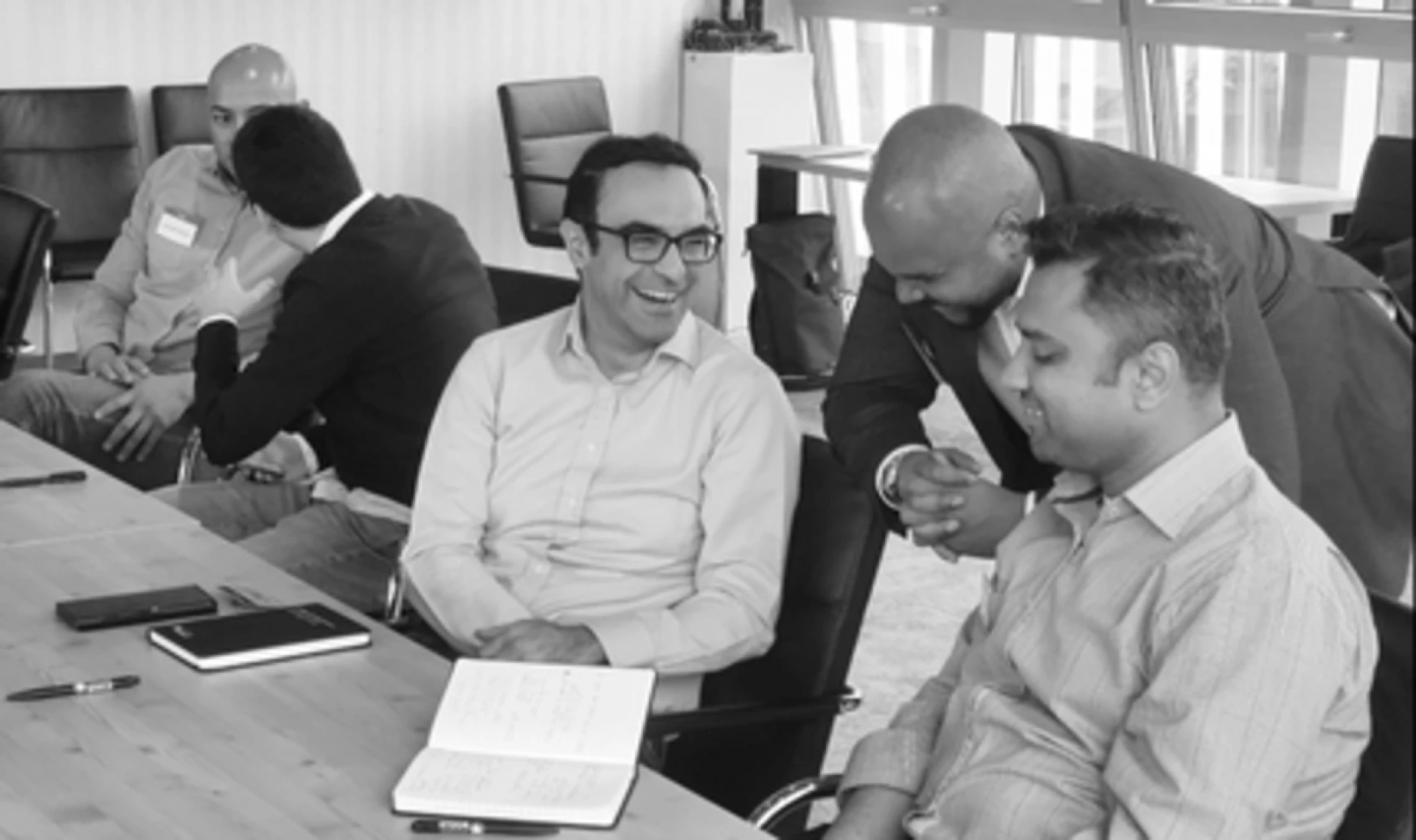
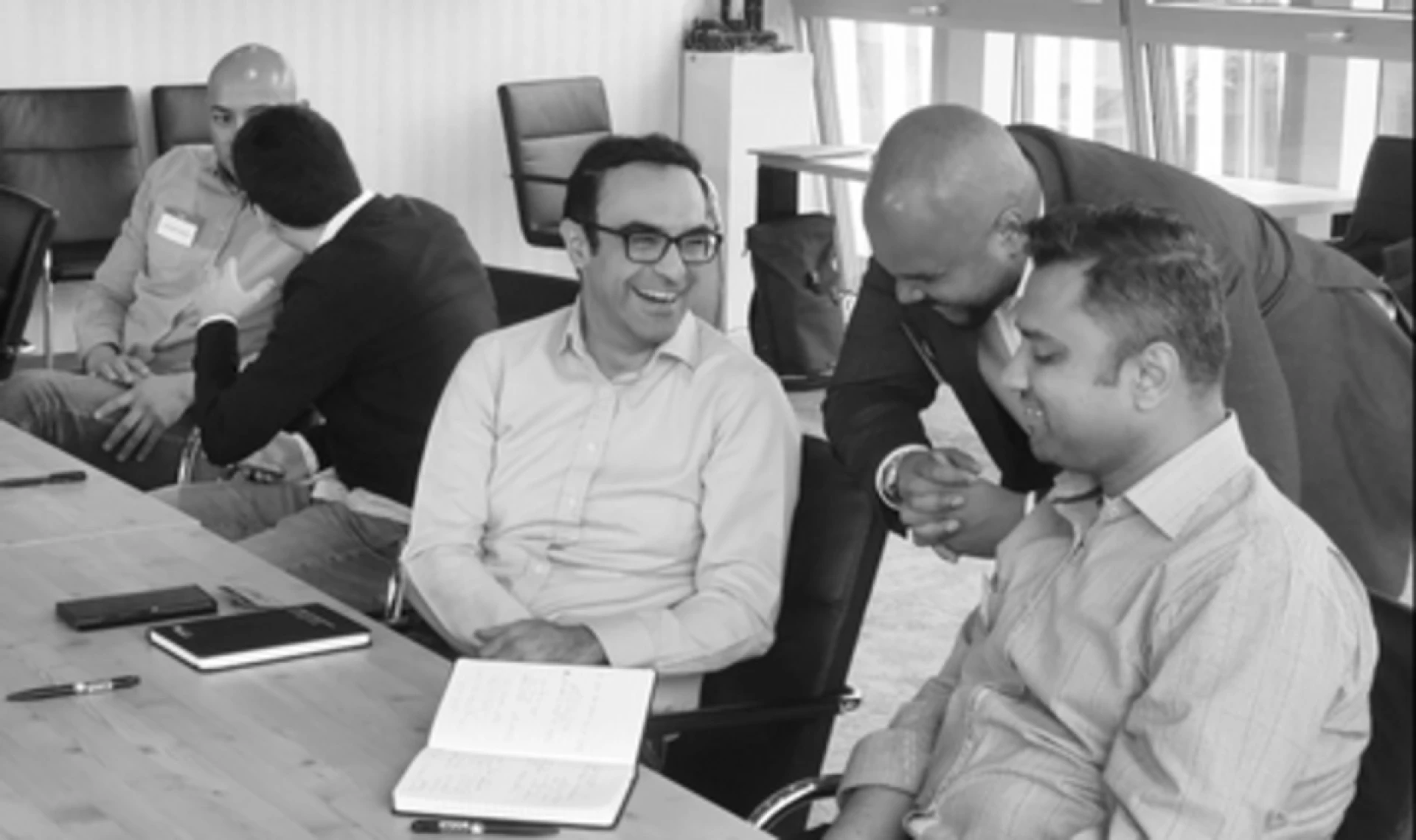
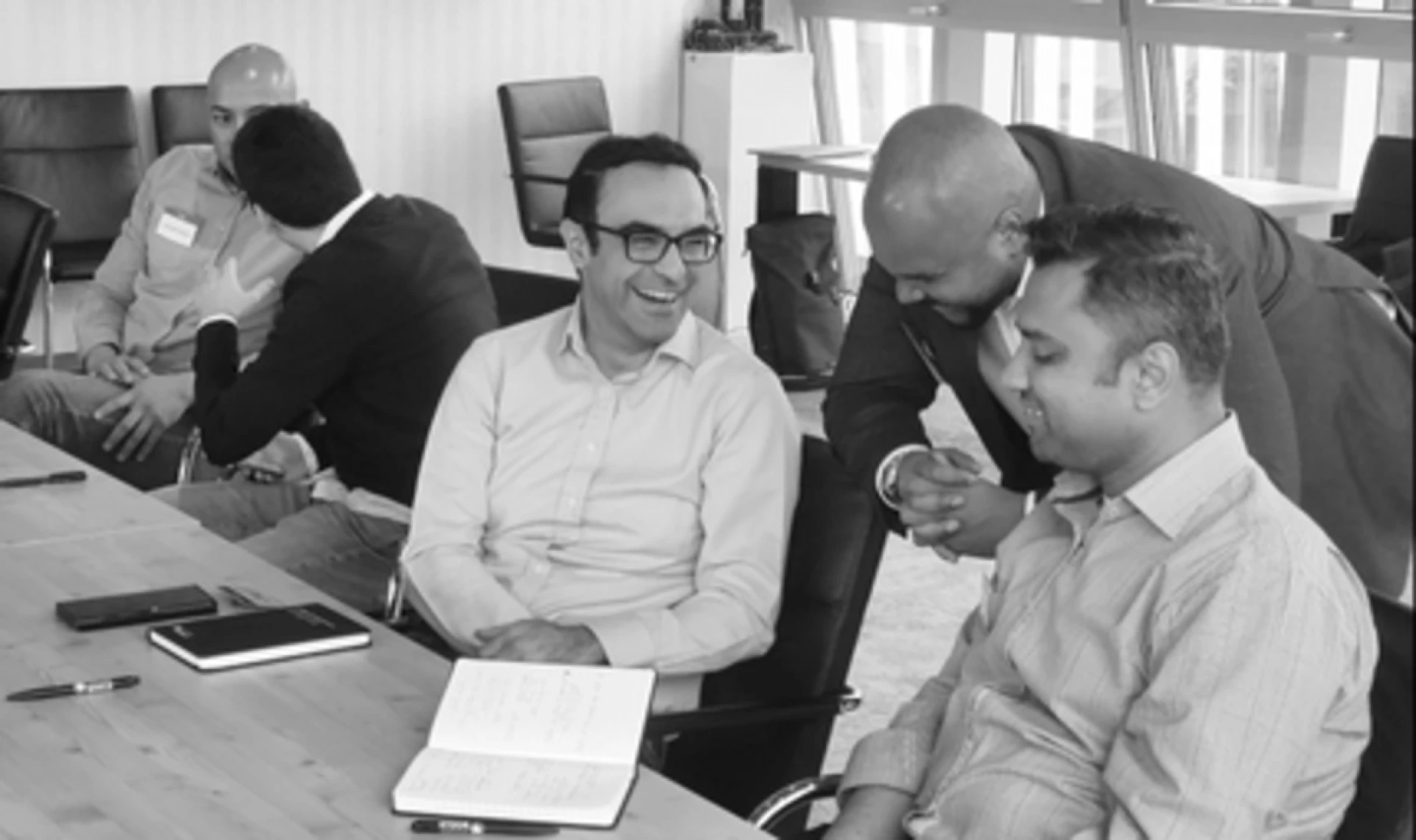
One powerful way to bridge the talent gap is through mentorship. By connecting experienced leaders with emerging professionals, organizations can transfer knowledge, build confidence, and nurture future leaders.
Platforms like Roots Inspire are leading the way by offering structured mentorship opportunities that empower diverse talent to grow and thrive. Roots Inspire connects professionals with mentors who provide guidance, support, and practical career insights—helping individuals develop both the technical and soft skills needed for success.
Through mentorship, companies not only close the talent gap but also foster a culture of inclusion, where every employee feels valued and capable of contributing meaningfully.
Upskilling and Reskilling for the Future
Beyond mentorship, organizations must invest in upskilling and reskilling their workforce. Upskilling focuses on improving existing skills, while reskilling equips employees for entirely new roles. Together, they prepare individuals to adapt to new technologies, responsibilities, and market demands.
Businesses that prioritize learning and development create agile teams that can evolve alongside industry changes. Encouraging employees to take ownership of their learning journey builds resilience and keeps talent pipelines strong.
Building an Inclusive Workforce
Bridging the talent gap also requires inclusivity. Diverse teams bring fresh ideas, broader perspectives, and innovative problem-solving approaches. However, many talented individuals from underrepresented groups still face barriers to opportunity and growth.
Organizations must make deliberate efforts to create equal access to mentorship, training, and leadership development. That’s where initiatives like Roots Inspire play a vital role—helping professionals from all backgrounds gain the tools and confidence to progress in their careers.
Looking Ahead: The Future of Talent
The talent gap will continue to evolve as industries change, but it doesn’t have to widen. The future belongs to organizations that invest in people—those that see talent not as a static resource but as a living, growing asset.
By combining mentorship, continuous learning, and inclusive practices, businesses can future-proof their workforce and create environments where everyone can thrive.
Bridging the talent gap is not a one-time fix; it’s an ongoing commitment to growth, adaptability, and inclusion. The most successful leaders understand that people are at the heart of progress.
To learn more about how mentorship and inclusive leadership can help close the talent gap, explore Roots Inspire—where professionals grow, connect, and lead with purpose.



























Sign in to leave a comment.