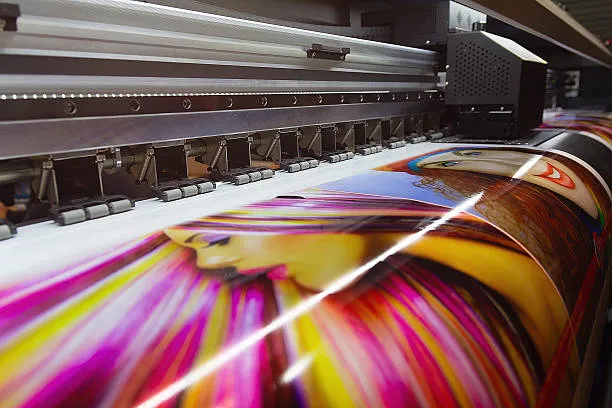

Digital marketing has never been more sophisticated, more targeted, or more measurable. And yet the brands consistently outperforming their categories are not the ones going all-in on digital. They are the ones that understand something counterintuitive: in a world where every competitor is fighting for attention on the same screens, moving into a different channel entirely is not a retreat from modern marketing. It is a strategic advantage.
Print marketing did not survive the digital revolution by accident. It survived because it does something digital cannot replicate, and the brands that recognize this are building stronger customer relationships, higher trust, and better retention than those treating print as a relic.
The Science Behind Why Print Leaves a Deeper Impression
The case for print starts with how the brain processes information. Physical media engages tactile memory in ways digital content fundamentally cannot. When a consumer holds a well-designed direct mail piece, turns a premium business card over in their hands, or opens a branded package, multiple sensory systems activate simultaneously. That multisensory engagement creates stronger memory encoding than reading the same information on a screen.
This is not anecdotal. Research consistently shows that information encountered in print is retained more deeply and for longer than information consumed digitally. The implications for marketing are significant. In an environment where consumers are exposed to thousands of digital messages every day, most of which are processed and forgotten within seconds, a physical touchpoint operates at a completely different level of cognitive engagement.
For brands trying to build recognition in crowded categories, that retention advantage translates directly into marketing performance. A consumer who remembers your brand name, your visual identity, and your core message because they held something you sent them is a fundamentally different prospect than someone who scrolled past your ad between two other pieces of content.
Physical Presence Creates Trust That Screens Cannot Replicate
Arzu Lilie Rahimzadeh, CMO of UPrinting, explains that print marketing works in a digital-first world for the same reason a handwritten note outperforms an email when the relationship actually matters: physical presence creates an impression that screen-based communication cannot replicate. Digital builds awareness. Print builds trust. The brands performing strongest today are the ones investing in both rather than treating them as competing priorities.
The data behind this observation is concrete. UPrinting's research found that 32% of consumers are willing to pay more for products in sustainably designed packaging, and 77% trust brands more when packaging appears eco-friendly. Those numbers reflect a consumer base paying close attention to physical brand presentation. Every printed touchpoint, from the packaging a product arrives in to the business card left after a meeting to the direct mail piece that arrives in a physical mailbox, communicates something about how seriously a brand takes its relationship with the customer. That communication happens at a level of trust and attention that digital marketing rarely achieves.
Where Print Performs Best in a Modern Marketing Mix
Understanding why print works is one thing. Knowing where to deploy it is another. The highest-performing uses of print marketing today share a common characteristic: they appear at moments when the relationship between brand and customer either deepens or falls apart.
Packaging is the clearest example. For e-commerce brands, the moment a customer opens a shipment is one of the most emotionally loaded interactions in the entire customer journey. It is the first time the product exists as a physical object in the customer's life rather than an image on a screen. Brands that treat this moment as a logistics function rather than a marketing opportunity are missing one of the most powerful touchpoints available to them. Custom packaging that reflects brand values, communicates quality through material and design, and creates a memorable unboxing experience turns a routine delivery into a brand-building moment that drives reviews, social sharing, and repeat purchases.
Direct mail performs similarly well at moments of reconnection. Lapsed customers who have stopped engaging with email campaigns often respond to physical outreach precisely because it signals a level of effort and intentionality that digital communication no longer conveys. The investment required to produce and mail a physical piece communicates that the brand considers the relationship worth spending on.
Business cards, brochures, and event materials play a different role, anchoring in-person interactions with a physical artifact that extends the conversation beyond the moment. The person who walks away from a networking event with a well-designed business card has a tangible reminder of the interaction that no LinkedIn connection request fully replicates.
The Integration Advantage: Print and Digital Working Together
The most effective marketing strategies today do not choose between print and digital. They use each channel for what it does best and build sequences that move customers through both.
Digital excels at reach, targeting, and measurement. A well-run paid search or social campaign can put a brand in front of a precisely defined audience at scale, generate clicks, and track conversions with granular accuracy. These are genuine advantages that print cannot match.
Print excels at depth, trust, and memory. A direct mail piece arriving in a physical mailbox has an open rate that most email campaigns cannot approach. A premium packaging experience creates emotional associations that a product page cannot manufacture. A beautifully designed brochure left with a prospect after a sales meeting stays on a desk in a way that a follow-up email does not.
Brands that sequence these strengths deliberately, using digital to generate awareness and drive traffic, then using print to deepen the relationship at key moments, consistently outperform brands that treat the two as either-or choices. The customer who encounters a brand digitally, receives a physical mailer, and then opens a premium package when their first order arrives has had three qualitatively different brand experiences. That variety builds the kind of multi-dimensional familiarity that drives long-term loyalty.
Print Is Not Competing With Digital. It Is Completing It.
The question is not whether print marketing works in a digital world. The evidence on retention, trust, and consumer behavior makes that case clearly. The question is whether brands are using print strategically enough to capture the advantages it offers.
The brands that will build the strongest customer relationships over the next decade are not the ones that spend the most on digital advertising. They are the ones that understand which channel builds what kind of connection, deploy each accordingly, and recognize that physical presence in a screen-saturated world is not a throwback to an older era of marketing. It is a competitive differentiator that most of their competitors have already abandoned.
That is exactly why it works.




























Sign in to leave a comment.