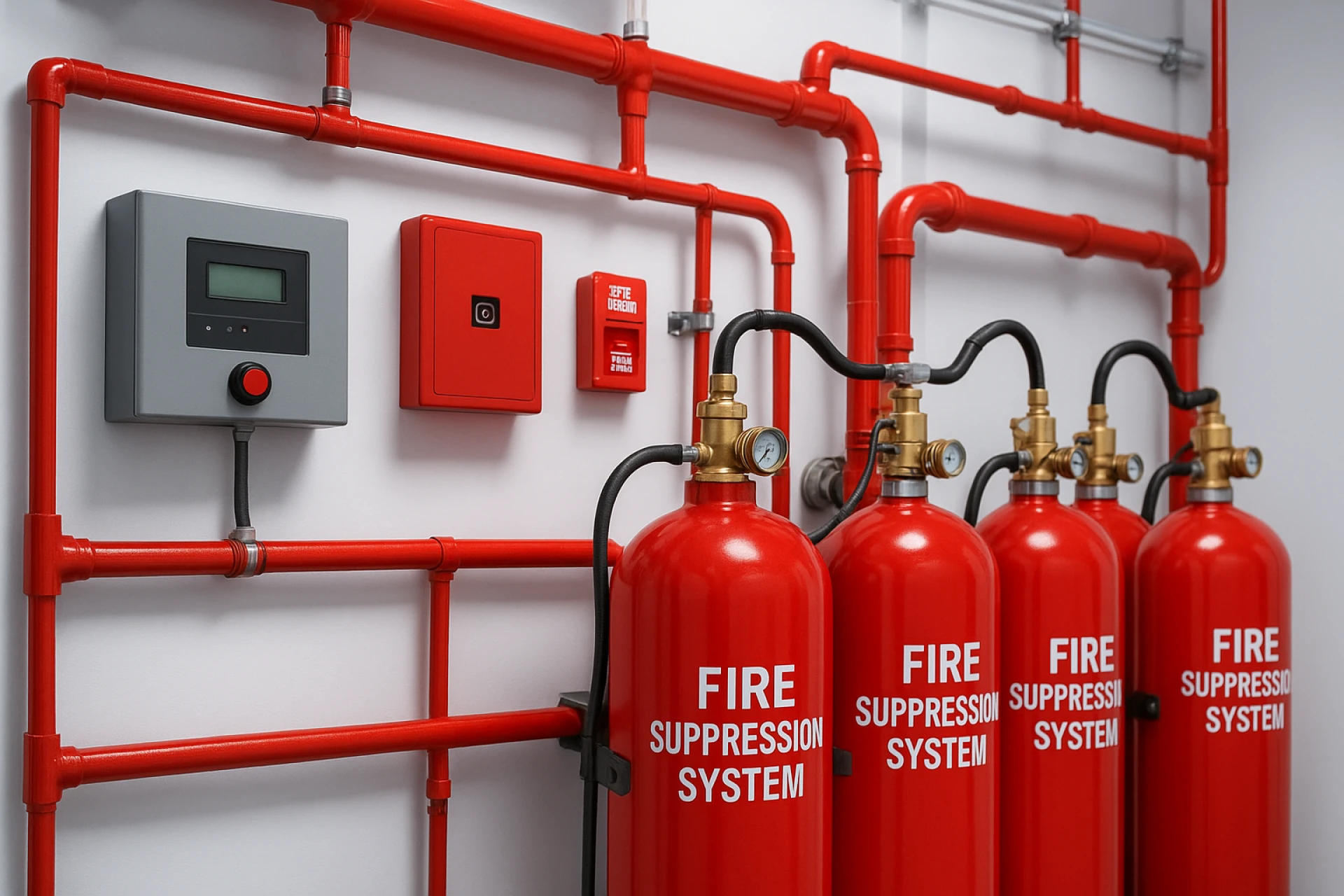

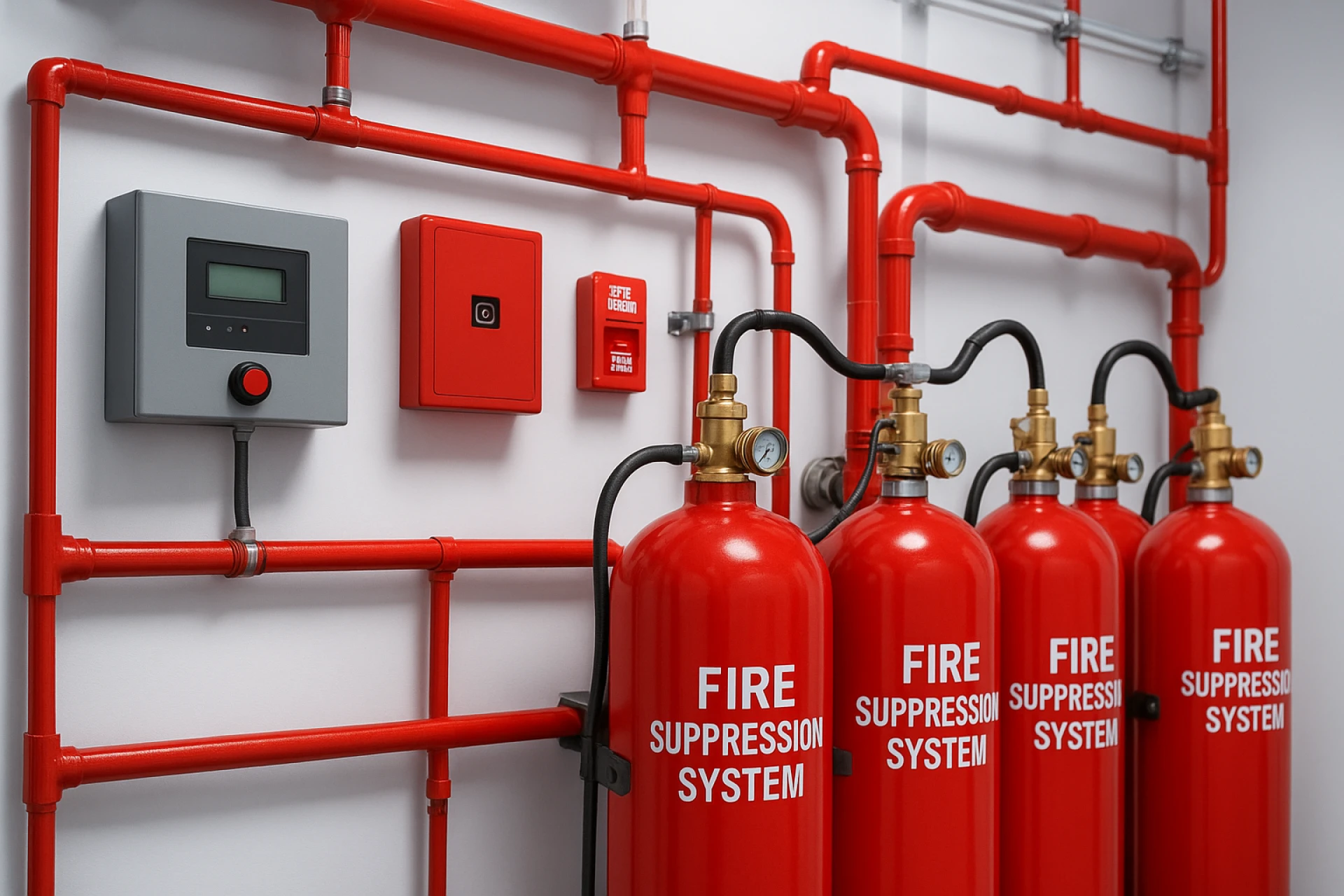
Fire protection is not just a safety requirement—it’s a strategic financial decision for facility managers in Oman. With evolving building standards, insurance expectations, and growing emphasis on business continuity, choosing the right Fire suppression systems Oman offers both immediate safety benefits and long-term financial returns. But how do you properly budget for this investment, and what kind of ROI can you realistically expect?
Below is a complete guide to help facility managers make confident, cost-efficient decisions.
1. Understanding the Total Cost of Ownership (TCO)
When planning your fire suppression system budget, it’s important to look beyond the upfront installation cost. TCO typically includes:
✔ System Installation Costs
- Type of suppression agent (FM200, NOVEC 1230, CO₂, Water Mist, etc.)
- Room size and system design
- Integration with fire detection systems
✔ Maintenance & Inspection Costs
- Annual inspections per Oman Civil Defence requirements
- Refilling or recharge of agent (if discharged)
- Replacement of consumable components (cylinders, sensors, piping sections)
✔ Operational Costs
- Energy consumption (if any)
- Control panel power backup
- System monitoring
Budget Tip: Engineered clean-agent systems may cost more initially but have lower long-term maintenance expenses compared to traditional water-based systems.
2. Calculating ROI: How Fire Suppression Creates Long-Term Value
Investing in a modern suppression system can deliver measurable returns. ROI comes from:
✔ Reduced Equipment Damage
Traditional sprinklers may cause major water damage.
Clean-agent systems protect sensitive assets like:
- Data centers
- Server rooms
- Laboratories
- Control rooms
✔ Lower Insurance Premiums
Many insurers in Oman offer reduced premiums for advanced suppression solutions due to lower risk.
✔ Minimised Downtime
Fast-acting suppression agents extinguish fires within seconds, reducing operational interruption—critical for:
- Industrial plants
- IT facilities
- Manufacturing lines
✔ Compliance & Avoided Penalties
Oman Civil Defence regulations require certified and periodically maintained systems.
Avoiding fines or shutdowns contributes directly to ROI.
3. Factors Influencing Budgeting in Oman
✔ Type of Facility
High-risk environments (fuel storage, industrial manufacturing) require more robust systems.
✔ Required Agent Type
- FM200 & NOVEC: Suitable for electronics, high-value assets
- CO₂: Industrial, mechanical, turbine areas
- Water Mist: Kitchens, machinery zones
✔ Regulatory Requirements
Oman Civil Defence standards influence:
- System design
- Required certifications
- Inspection frequency
4. Cost-Saving Strategies for Facility Managers
1️⃣ Plan Early
Integrating fire suppression at the design stage saves 20–40% compared to retrofitting.
2️⃣ Choose Scalable Systems
Modular systems reduce expansion costs.
3️⃣ Compare Agents
NOVEC 1230 may cost more than FM200 but provides higher efficiency and lower environmental impact.
4️⃣ Partner With Certified Providers
Reduces risk of rework, penalties, or compliance failure.
5. Conclusion: Smart Investment, Strong Protection
Investing in the right Fire suppression systems Oman ensures safety, regulatory compliance, and long-term financial savings.
By understanding cost components and ROI factors, facility managers can budget accurately and choose systems that protect both people and assets while delivering measurable returns.




























Sign in to leave a comment.