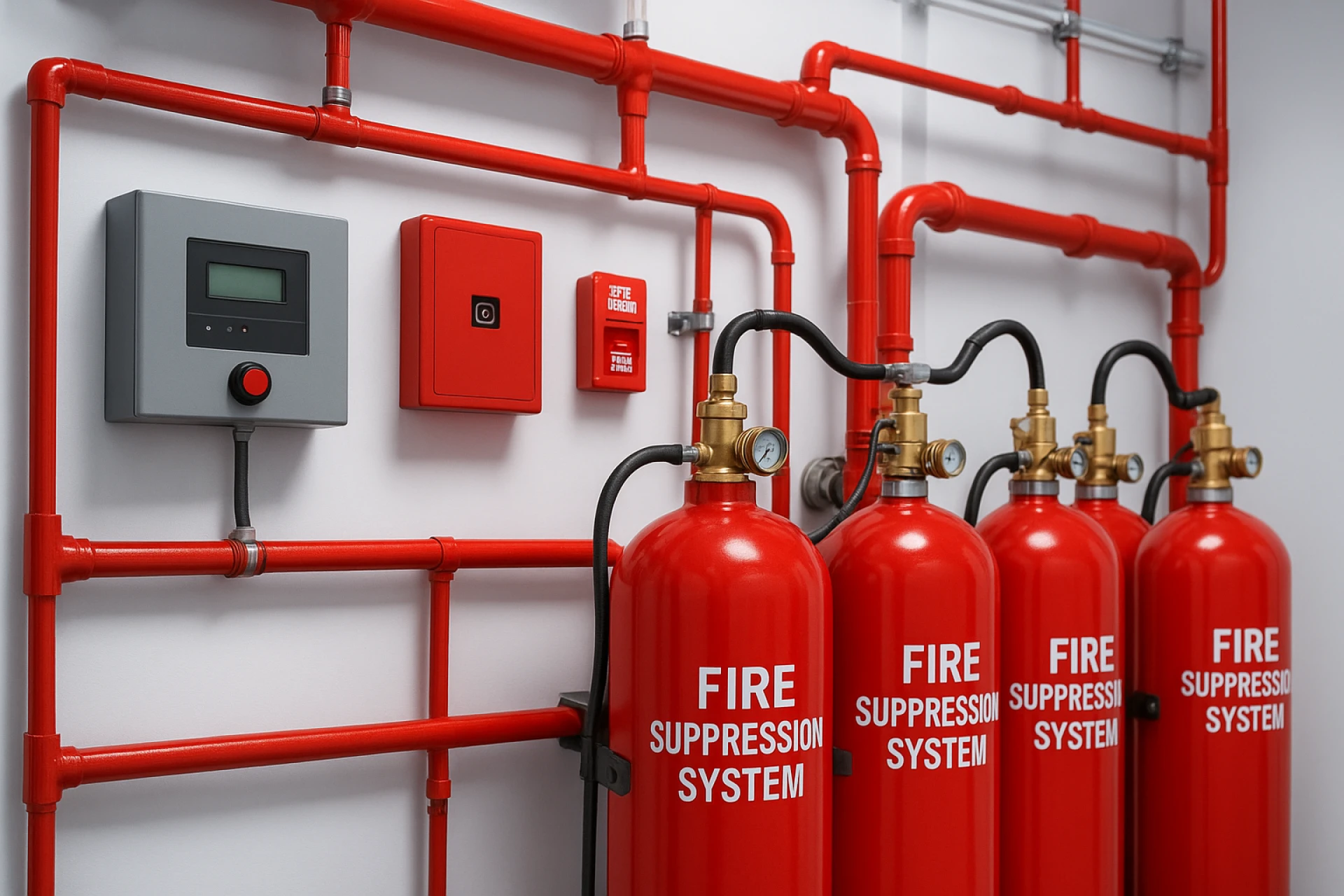

 Traditional sprinkler systems have been the backbone of fire safety for decades. They are reliable, cost-effective, and widely used across commercial and residential buildings. But as modern facilities become more technology-driven—with sensitive electronics, valuable assets, and mission-critical operations—sprinklers may not always provide the right level of protection.
In certain environments, even a few seconds of water discharge can cause more damage than the fire itself. This is where engineered fire suppression systems become essential.
Understanding the Limitations of Traditional Sprinkler Systems
Sprinklers are designed primarily for general fire protection. While highly effective in many scenarios, they have limitations that make them unsuitable for specialized or high-value environments.
1. They Cause Water Damage
Sprinklers release large amounts of water—often hundreds of litres per minute. In areas with electronics, data equipment, archive materials, or delicate machinery, water can:
- Destroy hardware
- Corrupt data
- Damage inventory
- Halt operations
Sometimes, water damage can be more costly than the fire.
2. Slow Activation in Certain Scenarios
Sprinklers activate only once heat reaches a certain threshold. In fast-spreading fires, especially electrical or chemical fires, even a slight delay can escalate the situation.
3. Not Suitable for All Fire Types
Sprinklers are not ideal for fires involving:
- Flammable liquids
- Electrical equipment
- High-value assets
- Confined spaces where water cannot fully reach the source
4. Risk to Occupants and Operations
In facilities that must remain operational or sterile—such as hospitals, labs, data centres, control rooms—sprinkler activation can shut down operations and trigger costly downtime.
What Are Engineered Fire Suppression Systems?
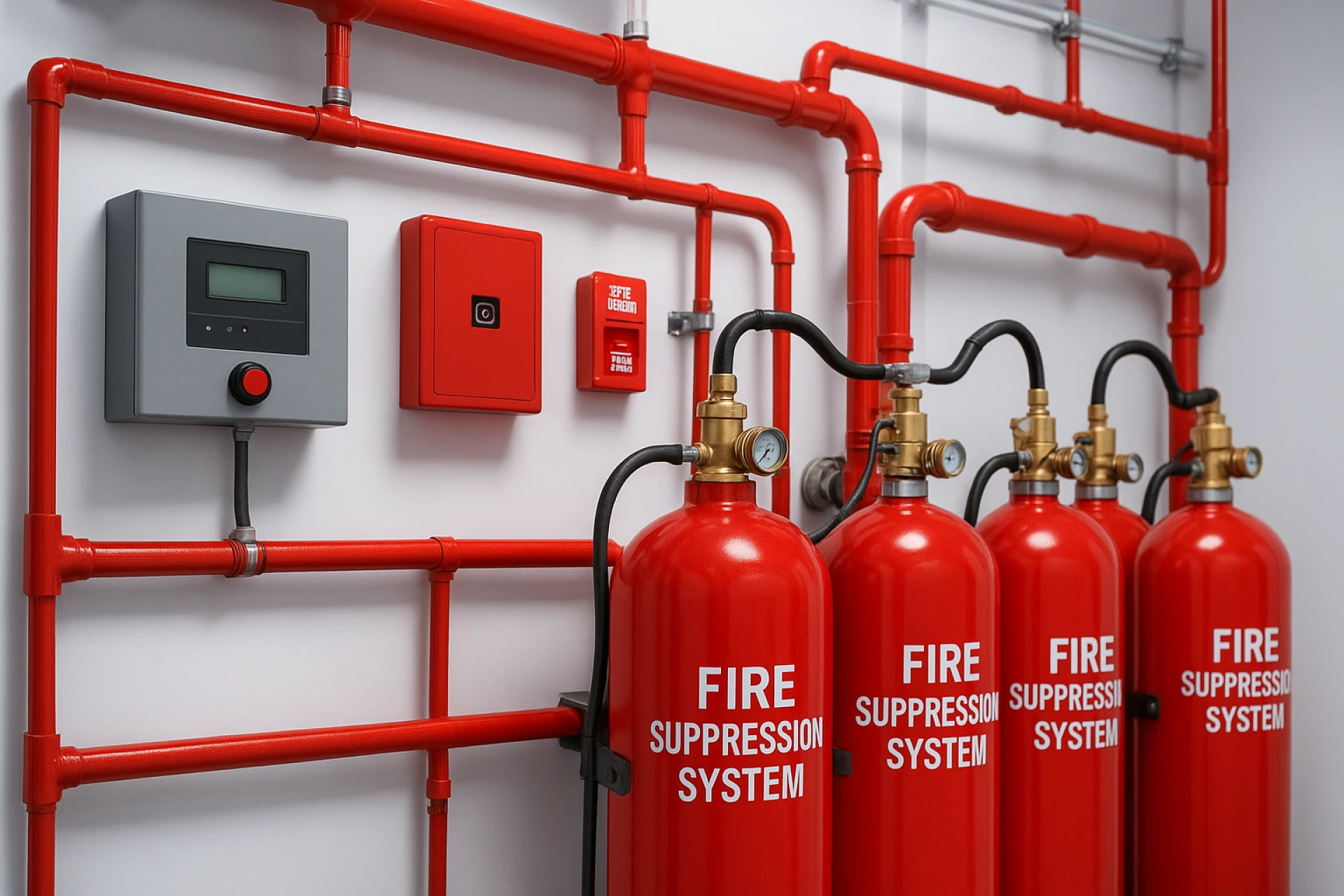
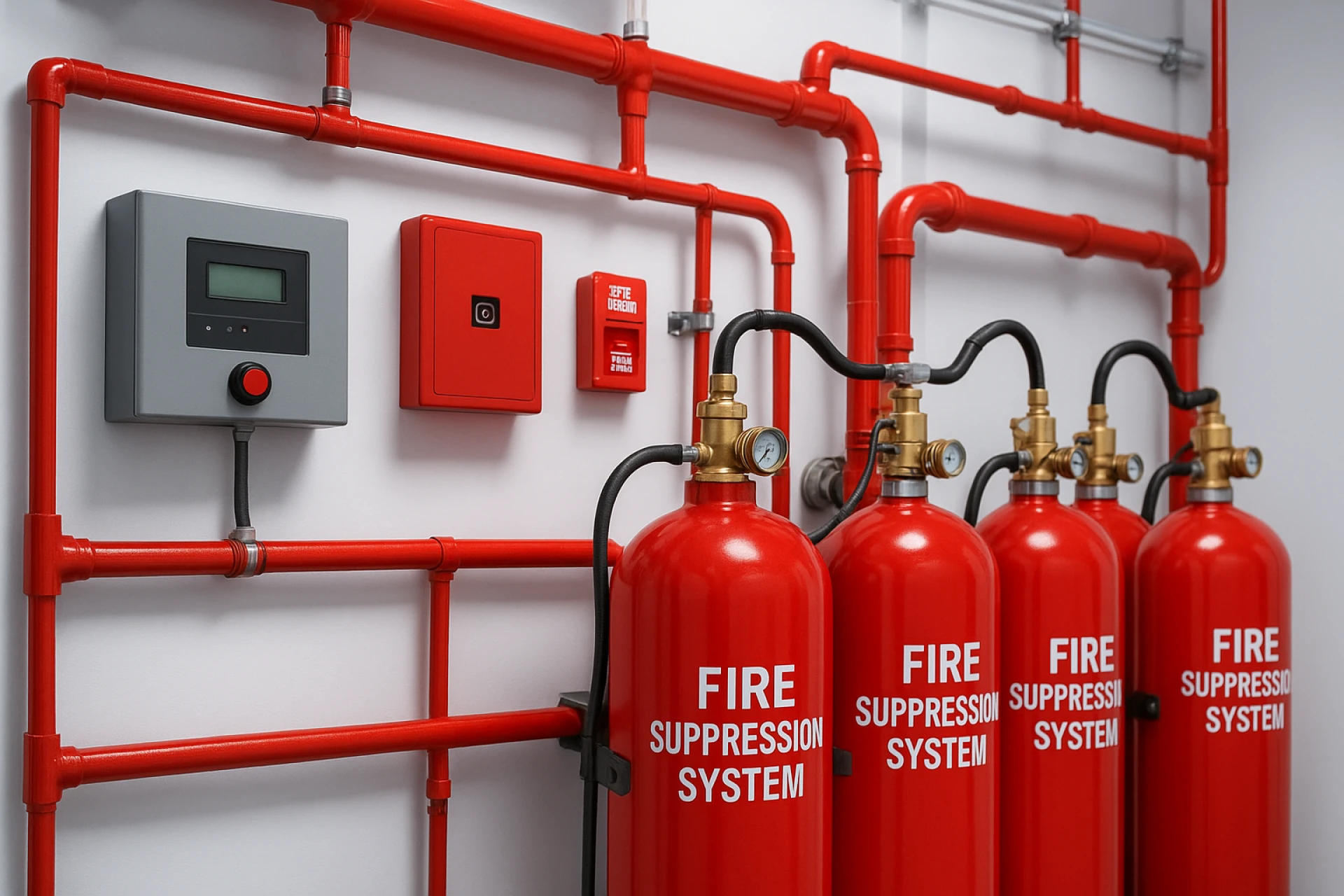
Engineered systems are designed for specialized fire hazards. Instead of water, they use clean agents, gas, foam, or mist, depending on the environment.
Common engineered systems include:
- Clean Agent Systems (Novec 1230, FM-200, FK-5-1-12)
- CO₂ Systems
- Water Mist Systems
- Inert Gas Systems
- Foam Suppression Systems
These systems are engineered to detect, suppress, and control fire without causing secondary damage.
When You Should Upgrade to an Engineered Fire Suppression System
If your facility matches any of the following conditions, a sprinkler system alone may not be enough.
1. You Have Sensitive Electronic Equipment
Facilities such as:
- Data centres
- Server rooms
- UPS rooms
- Control rooms
- Telecom facilities
require non-water solutions. Clean agent systems extinguish fire in seconds without harming electronics.
2. You Handle High-Value Assets
Museums, banks, luxury retail stores, and archives cannot afford water damage. Engineered systems ensure fire protection without asset loss.
3. You Operate in Industrial or Oil & Gas Environments
Sprinklers are not effective for many industrial hazards. Applications involving chemicals, fuels, lubricants, and industrial machinery require specialized agents like CO₂, foam, or inert gas.
4. You Need Rapid Fire Knockdown
Clean agents can extinguish fire in under 10 seconds, minimizing downtime and preventing large-scale destruction.
5. Your Facility Must Stay Operational
Hospitals, pharmaceutical labs, server facilities, and control rooms cannot afford shutdowns. Clean agent and water mist systems provide suppression without contaminating the environment.
6. You Need Total Flood Protection
Engineered systems can suppress fire throughout an entire room, even in hard-to-reach areas where sprinklers may not reach effectively.
Benefits of Upgrading to an Engineered Fire Suppression System
- ✔ No water damage
- ✔ Fast and precise suppression
- ✔ Safe for people (clean agents)
- ✔ Ideal for sensitive equipment
- ✔ Environmentally friendly options available
- ✔ Reduced downtime and business interruption
- ✔ Lower long-term operational cost
Final Thoughts
Traditional sprinkler systems remain valuable—but they are no longer enough for modern facilities with sensitive equipment, high-value assets, or specialized industrial hazards.
Upgrading to an engineered fire suppression system ensures:
- Better protection
- Faster suppression
- Minimal damage
- Full compliance with safety standards
- Long-term reliability and peace of mind





























Sign in to leave a comment.