

When a budget stops being a spreadsheet and becomes a survival tool
There is a particular feeling to opening a banking app after a week of ordinary living, groceries, one pharmacy stop, two ride shares, a streaming renewal you forgot about, maybe lunch bought in a hurry, and seeing the balance lower than memory insists it should be. It feels a little like looking through a rainy train window, lights streaked and uncertain, the landscape familiar but somehow rearranged. That is where budgeting usually begins, not in discipline, not in love of numbers, but in friction. Money leaves quietly. Regret arrives with shoes on.
By 2026, that friction has become more common across income levels. Households are still dealing with rent pressure, elevated food costs, insurance increases, and the strange financial fatigue that lingers after several years of inflation shocks. Even where headline inflation has cooled from its peaks, many prices never walked back to where they once stood. According to Reuters and major central bank reporting through 2025 and 2026, consumers in many countries are adjusting not to a temporary spike, but to a new base level of everyday costs. A budget, then, is no longer just a plan for saving. It is a way to prevent drift.
Yet much of the advice people hear is either too rigid or too vague. Cut coffee. Use cash envelopes. Track every cent forever. For some households, those methods help. For many others, they collapse after three tired Tuesdays. That is why the better question is not whether you need a budget, but what kind of budget can survive your real life, your irregular bills, your side hustle income, your family obligations, your own habits when you are stressed or bored or celebrating.
If you have read broad guides such as Expert Budgeting Tips for 2026: Master Your Finances or the more entry-level Essential Budgeting Tips for Beginners in 2026, you already know the basics. What matters here is deeper structure, how to build a system that does not shatter the first time a tire blows, freelance work slows, or school expenses arrive like uninvited thunder.
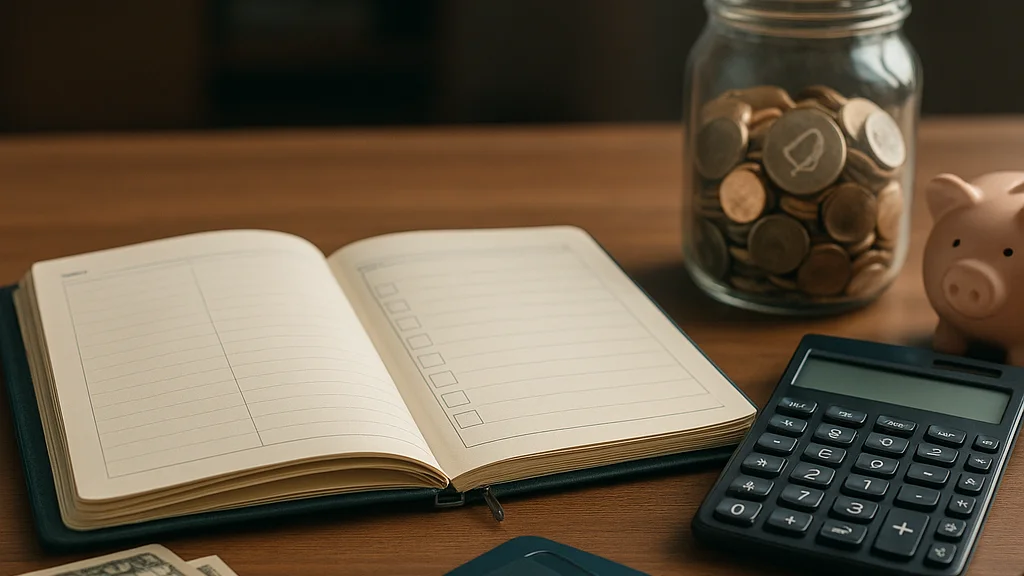
A useful budget is not the strictest one. It is the one you can still follow in a bad month.
That idea sounds simple, almost soft. Actually, it is the hardest discipline in personal finance, because it asks for honesty before optimization. And honesty is where good budgeting tips begin.
Why old budgeting advice breaks under modern expenses
Classic budgeting wisdom was built for a world where categories behaved more predictably. Housing was still heavy, of course, but subscription stacks were smaller, app-based spending was less invisible, and side income was less common. Today, money does not move in neat monthly lines. It pulses. One week is calm, next week carries annual fees, school forms, pet medication, a wedding gift, and a utility bill that suddenly looks theatrical. Advice that ignores this rhythm usually fails.
That is why some of the most useful recent commentary has not been about stricter control, but about rejecting bad rules. A Nasdaq piece on budgeting myths highlighted a point many planners have made for years, some popular tips are too absolute to be practical. Likewise, Business Insider reported on a financial planner's view that several familiar pieces of budgeting advice are less smart than they seem. The problem is not budgeting itself. The problem is budgeting as performance, budgeting as punishment, budgeting as a perfect notebook with no room for being human.
Consider a few rules that sound responsible but often backfire:
- Tracking every tiny purchase forever. Useful for diagnosis, exhausting as a permanent lifestyle.
- Banning all discretionary spending. This can trigger rebound spending, especially after stressful work periods.
- Using one fixed percentage rule for everyone. The 50/30/20 model can be a good starting point, but high-rent cities often make it unrealistic.
- Treating irregular bills as surprises. Car registration, holiday travel, school supplies, and annual insurance premiums are not emergencies, they are delayed monthly expenses.
The modern budget has to account for digital convenience too. One-tap payments create distance between the act of choosing and the act of paying. Behavioral economists have long observed that friction matters. Cash hurts more to spend because it is visible. App payments are frictionless and therefore easier to underestimate. This does not mean everyone should return to envelopes. It means your system needs deliberate points of visibility, weekly check-ins, category caps, separate savings buckets, or alerts that interrupt autopilot.
Another shift is income volatility. More people now patch together earnings from salaried work, contract projects, platform income, resale, tutoring, design, delivery, or seasonal work. A rigid monthly budget built on one stable paycheck can feel elegant and still be wrong. If your income moves, your budget must bend without breaking.
Budgeting fails when it assumes life will be symmetrical. It rarely is.
That is why the most durable budgeting tips are less about denial and more about architecture.
The budget frameworks that hold up best in 2026
Not every budgeting method deserves equal loyalty. Some are good for beginners, some for debt payoff, some for freelancers, some for families carrying high fixed costs. The trick is to choose a framework that matches the shape of your cash flow. According to MSN's overview of simple budgeting methods, households still tend to gravitate toward a few core systems, but the strongest results usually come when people adapt them rather than follow them like scripture.
Three frameworks stand out in 2026, especially for readers balancing inflation, subscriptions, and side income.
- Zero-based budgeting. Every dollar gets a job before the month begins. This is powerful for people who want control and can tolerate detail. It works especially well during debt payoff or income recovery after a setback.
- Priority-first budgeting. Instead of assigning every cent, you fund essentials, savings, and debt goals first, then allow the rest to flow within a spending ceiling. This is often better for busy households and people with variable income.
- Bucket budgeting. Money is separated into broad accounts or digital buckets, bills, daily spending, sinking funds, emergency savings, taxes, business expenses. This system creates visual boundaries and reduces accidental overspending.
For many people, a hybrid approach is strongest. You might use zero-based planning for fixed obligations, bucket budgeting for irregular costs, and a looser weekly allowance for food and fun. That mix sounds inelegant. Actually, it mirrors reality. Precision where stakes are high, flexibility where life is noisy.
The most overlooked piece is the sinking fund, a category for non-monthly costs that are absolutely coming. If your car insurance is due every six months, divide it by six and save monthly. If holidays usually cost you $600, start building that fund in summer, not in December panic. If you own a home, repairs are not theoretical. Readers planning bigger property expenses may also find useful parallels in Complete Home Renovation Guide: What to Expect & Budgeting Tips, because renovation budgeting teaches the same lesson personal finance does, costs you fail to stage in advance become expensive emergencies later.
A sturdy budget in 2026 usually includes these categories:
- Fixed essentials: rent or mortgage, utilities, insurance, debt minimums, childcare
- Variable essentials: groceries, fuel, transport, medication
- True irregulars: annual fees, gifts, school costs, maintenance, travel
- Future protection: emergency fund, retirement, tax set-asides for self-employment
- Quality of life: dining out, hobbies, subscriptions, small pleasures that make restraint sustainable
The last category matters more than moralists admit. A budget with no oxygen in it becomes a cage. The point is not to spend freely, but to spend consciously enough that guilt does not have to do all the work.
The numbers that matter more than your income
People often think higher income automatically solves budgeting problems. Sometimes it does. Often it only quiets them for a while. What matters more is the relationship between fixed costs, irregular costs, and how much margin remains after both. A household earning a comfortable amount can still be financially brittle if rent, car payments, tuition, and insurance swallow most of the month before groceries even begin.
Start with one ratio that deserves more attention than it gets, your fixed-cost ratio. Add rent or mortgage, minimum debt payments, insurance, subscriptions you truly keep, internet, phone, childcare, and any recurring contractual obligations. Divide that by take-home pay. If the number is above 60%, your budget is likely to feel tight even before variable spending enters the room. Above 70%, many households report constant strain. This is not failure. It is diagnosis.
Then calculate your irregular-cost average. Review the last 12 months and total non-monthly but predictable expenses, gifts, travel, repairs, annual memberships, school items, medical deductibles, pet care spikes. Divide by 12. That monthly average should live inside your budget as a real line item, not as a future apology.
One practical sequence looks like this:
- Total monthly take-home income, using a conservative average if earnings vary.
- Subtract fixed costs to find your true operating room.
- Subtract a monthly irregular-cost average.
- Set a minimum savings floor, even if small.
- Only then decide what is available for flexible spending.
This order matters because many people budget backward. They estimate food and fun first, then act surprised when annual obligations arrive like weather. According to the Yahoo Finance segment on tracking spending for new grads, the habit of reviewing where money actually goes is foundational, especially early in adult financial life. That advice applies just as much to mid-career workers who have not audited their own patterns in years.
There is also a psychological number worth watching, your weekly burn rate. Monthly budgets can feel abstract, especially if you are paid biweekly or have side income arriving in uneven drips. Weekly checks make the system legible. If your flexible spending allowance is $500 for the week and you spend $340 by Wednesday, the month is not ruined, but the signal is clear while correction is still easy.
For readers who want a broad companion guide, Essential Budgeting Tips for 2026: Master Your Finances offers another angle on structuring categories and savings habits. But whatever framework you prefer, the central move is same, replace vague anxiety with measurable pressure points. Once you can see where the squeeze really is, you stop blaming yourself for math that never worked.
How side hustles change the budgeting equation
Side hustles are often described as rescue boats, and sometimes they are. A few hundred extra dollars a month from tutoring, selling digital products, pet sitting, editing, delivery work, or freelance design can soften a budget that otherwise feels airless. But side income also creates fresh complexity. It can hide overspending, distort tax obligations, and encourage people to build lifestyles around income that is not guaranteed.
The first rule is simple, never budget from your best month. If your side hustle income fluctuates between $200 and $1,000, build your baseline budget around the lower end, or exclude it entirely from essential bills. Treat extra earnings as strategic money. That means using it for debt reduction, emergency reserves, tax buckets, irregular expenses, or targeted goals rather than folding all of it into everyday consumption.
There are four particularly smart uses for side hustle income:
- Create a tax reserve. Self-employment income often arrives without withholding. A separate tax bucket prevents ugly surprises.
- Build a three-layer emergency fund. Start with $500, then one month of essentials, then three to six months over time.
- Pre-fund annual costs. Use variable income to fill sinking funds before discretionary upgrades.
- Attack high-interest debt. Extra principal payments can save far more than many safe savings products earn.
There is another, quieter advantage to side income when used well, it can stabilize emotional spending. People with no margin often lurch between restriction and release. A side hustle, even a modest one, can create enough breathing room to make the budget feel less punitive. But this only works if the money is assigned intentionally. Otherwise, it disappears into the same blur as everything else.
Recent consumer coverage has also stressed seasonality. The Daily Express, citing advice from TSB Bank, emphasized how summer spending can swell through travel, school holidays, social events, and higher utility use. Their report, on seasonal money tips, reflects a broader truth, many budget failures are calendar failures. People plan for average months and then live through expensive seasons.
If you earn side income, seasonality becomes a planning asset. Build a map of your year. Which months bring stronger freelance demand. Which months bring gift pressure. Which months carry school fees, renewals, or slower client work. Budgeting is often presented as arithmetic. Actually, it is also choreography.
What has changed recently, and what smart budgeters are doing now
The budgeting conversation in 2026 is more skeptical than it was a few years ago, and that is healthy. People are less interested in aesthetic frugality and more interested in systems that can absorb unstable prices, subscription creep, and income fragmentation. Financial planners have increasingly warned against advice that sounds virtuous but ignores context. Recent coverage from Business Insider and Nasdaq both reflects this shift, away from one-size-fits-all rules and toward adaptive methods.
Several developments stand out. First, banks and fintech apps now offer more category alerts, auto-transfers, and spending summaries, which makes visibility easier, but also creates a false sense of control if users never act on the data. Seeing a chart is not same as changing behavior. Second, buy now, pay later services remain woven into online checkout flows, which can make a budget look calmer than it is by spreading pain into future months. Third, subscription ecosystems have deepened. It is no longer just television and music. It is storage, software, wellness, gaming, meal plans, delivery perks, AI tools, and niche memberships, each individually tolerable, collectively heavy.
Smart budgeters in 2026 are responding in a few clear ways:
- They review subscriptions quarterly, not annually.
- They separate emergency savings from sinking funds. One is for shocks, the other for expected but irregular costs.
- They use weekly money dates. Ten to fifteen minutes is often enough to catch drift early.
- They cap lifestyle upgrades after income increases. Raises are partially redirected before spending expands.
- They maintain a “friction list.” This might include deleting shopping apps, removing stored cards, or setting a 24-hour wait rule for nonessential purchases.
There is also a social dimension. Money talk has become more public, especially among younger workers comparing rent burdens, debt loads, and side hustle realities. That openness can help, but it can also create pressure to perform abundance. A budget protects not only your bank account, but your attention. It helps you decide which expectations are yours and which belong to an algorithm.
One of the best current shifts is the normalization of “good enough” budgeting. Not perfect. Not color-coded bliss. Just accurate enough to keep you from borrowing against your future for things your present self barely remembers buying.
The budgeting habits that endure, even when motivation does not
Motivation is a beautiful liar. It arrives in a clean notebook mood, in a Sunday reset mood, in the first week after a scare. Then work gets loud, family needs something, your phone glows with offers, and the careful plan begins to fray. That is why the strongest budgeting tips are not motivational at all. They are mechanical. They work on tired days.
Automate what deserves protection first. Savings transfers on payday. Debt payments above the minimum if cash flow allows. A tax transfer for side hustle income the same day money lands. A dedicated account for bills. These moves reduce the number of decisions you must make while distracted. Decision fatigue is expensive.
Then shorten the feedback loop. Do not wait until month-end to discover damage. Use a weekly review with only four questions:
- What did I spend more on than expected?
- What bill or irregular expense is coming next?
- Do I need to adjust this week's flexible spending?
- What is one transfer I can make today to protect next month?
Keep categories broad enough to manage, but specific enough to reveal patterns. “Food” is often too vague. Separate groceries from dining out. “Transport” may hide fuel, parking, and ride shares that behave differently. “Shopping” tells you almost nothing. Better to name clothing, household, gifts, and personal care. The point is not surveillance. It is clarity.
Also, leave room for joy on purpose. A budget that allows nothing pleasurable usually ends in a burst of compensatory spending. Better to include a modest freedom category than to pretend you have become a monk. Realistic budgeting respects appetite without surrendering to it.
Finally, revise without shame. If a method keeps failing, the answer is not always more discipline. Sometimes the category is too tight. Sometimes the income assumption is fantasy. Sometimes the problem is a fixed cost that must be renegotiated, a car too expensive, housing too heavy, insurance worth shopping, debt worth restructuring. A budget is a mirror, not a morality play.
Seen this way, budgeting becomes less like punishment and more like arranging a room before guests arrive, moving the fragile things out of the traffic path, making sure there is enough light, enough air, enough order that people can breathe. Money will still surprise you. Life will still spill. But a good system means the whole table does not collapse because one glass tipped over.
And that, actually, is the quiet promise behind the best budgeting tips. Not perfection. Not austerity. Just a little more steadiness when the month turns difficult, and a little more agency when it does not.



























Sign in to leave a comment.