
Modern enterprises produce more content than ever before. Campaigns, presentations, product visuals, and sales materials are created continuously to support marketing and sales efforts. However, despite this high output, many organizations struggle to deliver the right content at the right time.
The issue is not content creation; it is how content moves.
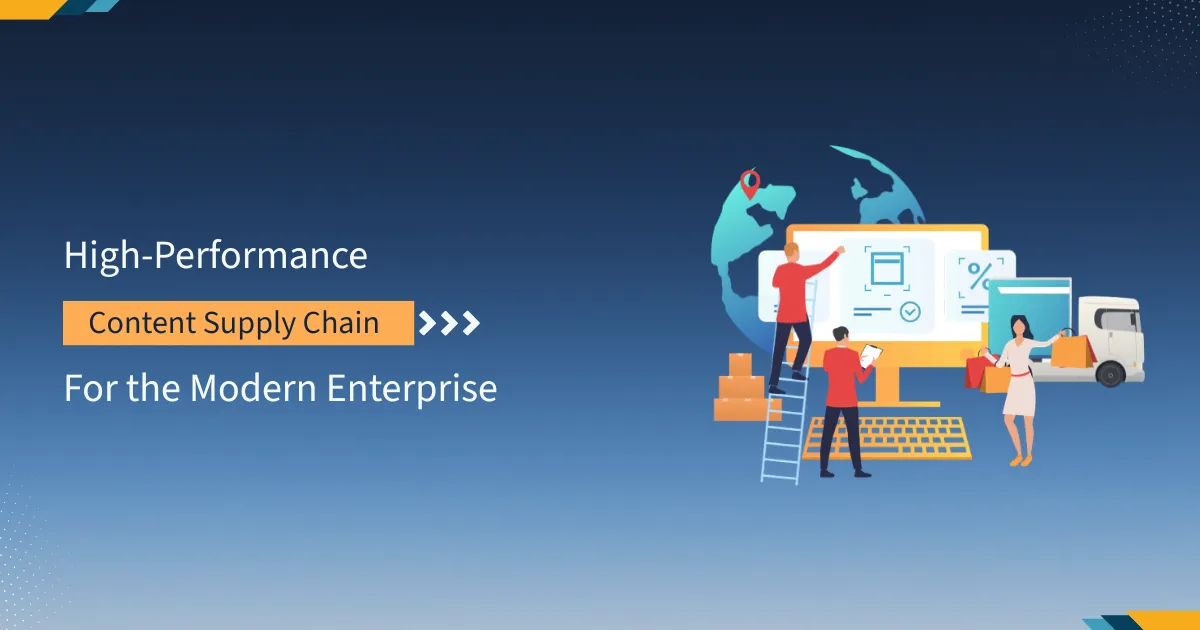
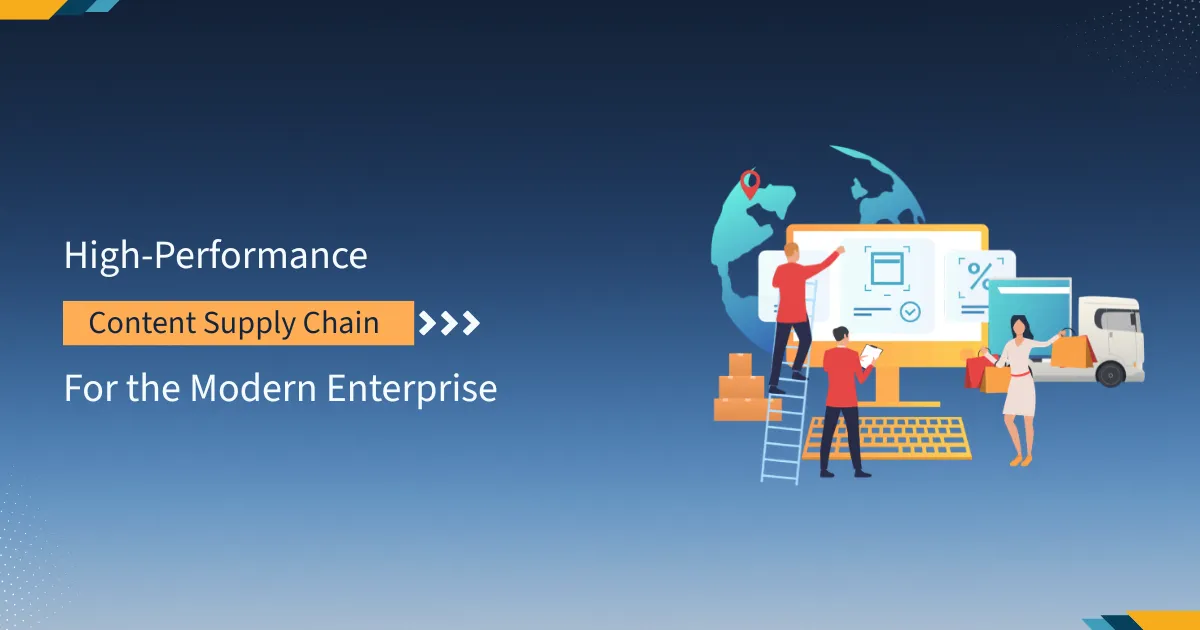
A useful way to understand this challenge is to view content as part of a supply chain. Just like in manufacturing, if the supply chain is broken, the final product does not reach the customer efficiently. In the same way, if content does not flow smoothly from creation to usage, the brand message loses its impact.
The Content Velocity Problem
Speed is now a critical factor in enterprise growth. Marketing teams are expected to launch campaigns quickly, while sales teams need to respond to opportunities without delay. However, many organizations still operate with siloed workflows.
Marketing creates content. Sales uses content. But the connection between the two is often weak.
This leads to common issues:
- Sales teams are waiting for marketing to provide assets
- Marketing teams are unaware of what sales actually need
- Content is stored in multiple systems without clear access
- Teams rely on outdated or locally saved files
These silos slow down content velocity. Even when high-quality brand assets exist, they are not always available at the moment they are needed.
In 2026, this gap becomes a major barrier to growth. Organizations that cannot move content efficiently struggle to compete with those that can.
Defining the Content Supply Chain
A high-performance content supply chain maps how assets move from creation to execution.
The process typically begins with designers and creative teams working inside tools like Adobe Creative Cloud. This is where brand assets, campaign visuals, and marketing materials are developed.
Once created, these assets are stored in a digital asset management system, where they are organized, approved, and managed. This stage ensures that content meets brand guidelines and is ready for use.
The next step is distribution. Sales teams, marketers, and other stakeholders access these assets and use them in tools such as Microsoft 365, including PowerPoint, Word, and Outlook.
Ideally, this process should feel seamless. Content should move smoothly from creation to storage to usage without delays or manual effort. However, in many organizations, this flow is interrupted by unnecessary steps.
Where the Supply Chain Breaks
In traditional workflows, content does not flow directly from one stage to the next. Instead, it is manually transferred between systems.
A typical process may involve:
- Downloading assets from a DAM system
- Saving files locally
- Uploading them into another tool
- Reformatting or adjusting content
- Rechecking whether the asset is the latest version
Each of these steps introduces friction. Over time, this creates inefficiencies that slow down the entire process.
The result is a broken supply chain where content exists, but cannot be used efficiently.
The Integration Layer: Connecting the Workflow
To build a high-performance content supply chain, organizations need to remove these manual steps. This is where integration becomes critical.
Instead of treating each system as separate, the goal is to connect them into a single workflow. Content should move between tools without requiring users to download, upload, or manage files manually.
Solutions like CI HUB act as a technical bridge between different environments. They connect systems used by creative teams with those used by business and sales teams, creating a continuous flow of content.
For example, assets created in Adobe can be accessed directly inside Microsoft tools without leaving the working environment. This removes the need for manual file handling and ensures that content is always connected to its source.
Eliminating Waste in the Supply Chain
One of the biggest challenges in content workflows is wasted time. Studies and industry observations suggest that a significant portion of work time is spent on tasks that do not add direct value.
In content workflows, this waste often appears as:
- Time spent searching for the right asset
- Reformatting files to fit different tools
- Fixing errors caused by outdated versions
- Recreating content that already exists
This can account for up to 20% of a team’s time. By integrating systems and streamlining workflows, organizations can reduce this waste significantly. When assets are easy to find and use, teams spend less time managing files and more time focusing on meaningful work.
A Unified Pipeline Across Teams
A high-performance content supply chain connects all parts of the organization. Creative teams, marketing teams, and sales teams operate within the same system, even if they use different tools.
Solutions like CI HUB enable this by linking diverse ecosystems into a unified pipeline. Designers continue to work in their creative tools, while sales teams access the same assets within their own environments.
This approach ensures that everyone works from the same source of truth without needing to change how they work.
The result is a more aligned organization where content flows naturally across departments.
From Creation to Customer Without Friction
The ultimate goal of a content supply chain is simple. Ensure that the right message reaches the customer without delays or inconsistencies.
When the supply chain is optimized, content moves quickly from creation to execution. Sales teams can respond faster, marketing teams can launch campaigns more efficiently, and the overall brand experience becomes more consistent.
Organizations that invest in this approach gain a competitive advantage. They are not only producing content but also delivering it effectively.
Building for Speed and Scale
As content demands continue to grow, the importance of a structured supply chain becomes even more critical. Manual processes cannot scale efficiently, and disconnected systems create bottlenecks.
By treating content as part of a supply chain and investing in integration, organizations can build workflows that support both speed and scale.
In the end, success is not only about creating great content. It is about ensuring that content moves seamlessly through the organization and reaches the customer at the right time.


























Sign in to leave a comment.