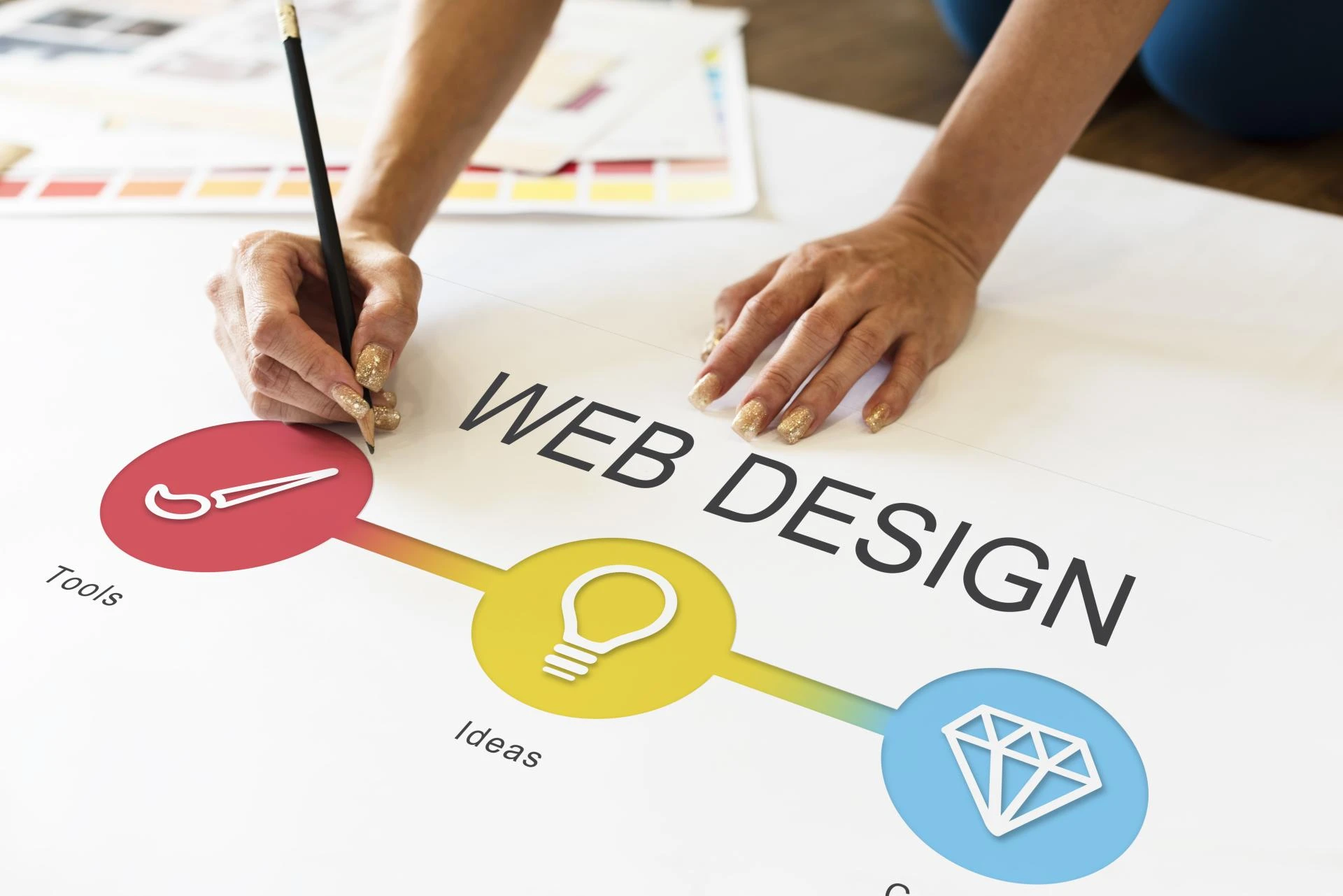

Your website is often the first point of contact between your business and potential customers. A poorly designed site can turn visitors away, while an engaging, user-centered design encourages users to stay, explore, and convert.
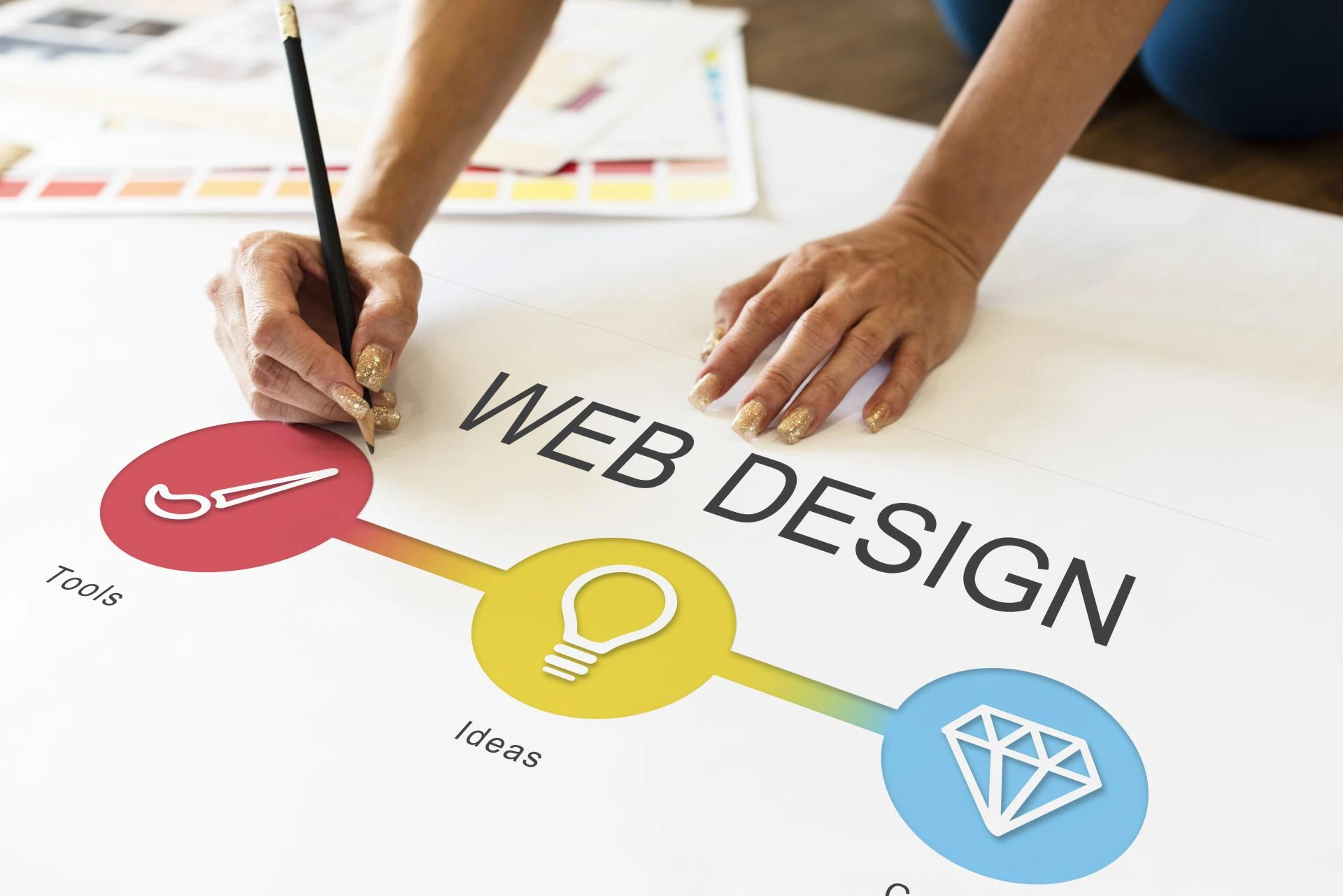
With the help of enterprise website development, businesses can create functional, visually appealing websites that align with their brand and focus on user needs. This approach not only enhances the user experience (UX) but also drives better business outcomes.
In this blog, we’ll explore tips for building a website that captivates users and keeps them coming back for more.
1. Prioritize a Clean and Intuitive Layout
First impressions matter, and your website’s layout plays a significant role in how users perceive your business. A cluttered design can overwhelm visitors, while a clean and intuitive layout makes navigation seamless.
Key Tips for a Great Layout:
- Use white space to improve readability and focus attention.
- Keep navigation simple and consistent across all pages.
- Highlight your call-to-action (CTA) buttons with contrasting colors.
When users can easily find the information, they’re looking for, they’re more likely to stay on your website and engage with your content.
2. Focus on Mobile Responsiveness
With mobile devices accounting for more than half of all web traffic, having a mobile-responsive website is no longer optional—it’s essential. A mobile-friendly design ensures that your site looks great and functions seamlessly across all screen sizes, from smartphones to tablets.
Benefits of Mobile Responsiveness:
- Improves accessibility for on-the-go users.
- Enhances search engine rankings, as Google prioritizes mobile-friendly sites.
- Reduces bounce rates by delivering a consistent experience across devices.
Enterprise website development teams often use responsive design techniques to ensure that websites adapt effortlessly to any screen size, improving user satisfaction.
3. Optimize Page Load Speeds
Website speed is a critical factor in user experience. Studies show that users expect pages to load within three seconds—anything longer, and you risk losing visitors.
How to Improve Load Speeds:
- Compress images and use optimized file formats like JPEG and PNG.
- Minimize the use of heavy scripts or plugins.
- Leverage browser caching and content delivery networks (CDNs).
Fast-loading pages not only enhance UX but also contribute to higher search engine rankings, as speed is a key ranking factor for Google.
4. Incorporate Engaging Visuals
Visual elements such as images, videos, and animations can make your website more appealing and engaging. However, they need to be used strategically to avoid slowing down the site or distracting users.
Best Practices for Visuals:
- Use high-quality, relevant images that align with your brand identity.
- Incorporate explainer videos to showcase products or services.
- Avoid excessive animations that may slow down the site or confuse visitors.
A visually engaging website captures attention and keeps users interested in exploring your offerings.
5. Simplify the User Journey
A user-centered design ensures that visitors can easily achieve their goals, whether it’s making a purchase, signing up for a newsletter, or contacting your team. The fewer clicks it takes to reach an action, the better.
How to Simplify User Journeys:
- Use clear and concise headings to guide users.
- Minimize the number of steps in forms or checkout processes.
- Provide breadcrumb navigation for easy backtracking.
When the user journey is straightforward, visitors are more likely to convert and leave your site with a positive impression.
6. Incorporate SEO Best Practices
A user-centered design doesn’t just enhance UX—it also supports search engine optimization (SEO). By creating a site that’s easy to navigate and optimized for search engines, you increase your chances of reaching a wider audience.
Key SEO Tips:
- Use descriptive meta titles and descriptions.
- Incorporate keywords naturally throughout your content.
- Optimize alt text for images to improve accessibility and rankings.
Combining SEO with a user-centered design ensures that your site attracts traffic and delivers value to visitors.
Conclusion: Build the Perfect Website with Tronsit Solutions
Creating an engaging, user-centered website requires a strategic approach that combines design, functionality, and user needs. Whether it’s ensuring mobile responsiveness, optimizing load speeds, or simplifying user journeys, every detail plays a role in building a site that drives results.
For businesses seeking expertise in custom eCommerce website development and custom solutions, Tronsit Solutions is the perfect partner. With a focus on user-first design and cutting-edge development practices, Tronsit Solutions helps businesses create websites that stand out in a competitive market. Let us help you craft a website that captivates, engages, and converts!






























Sign in to leave a comment.