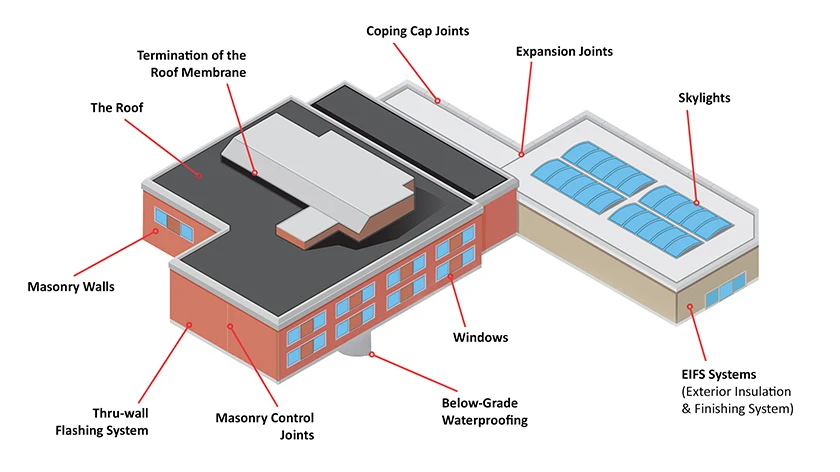

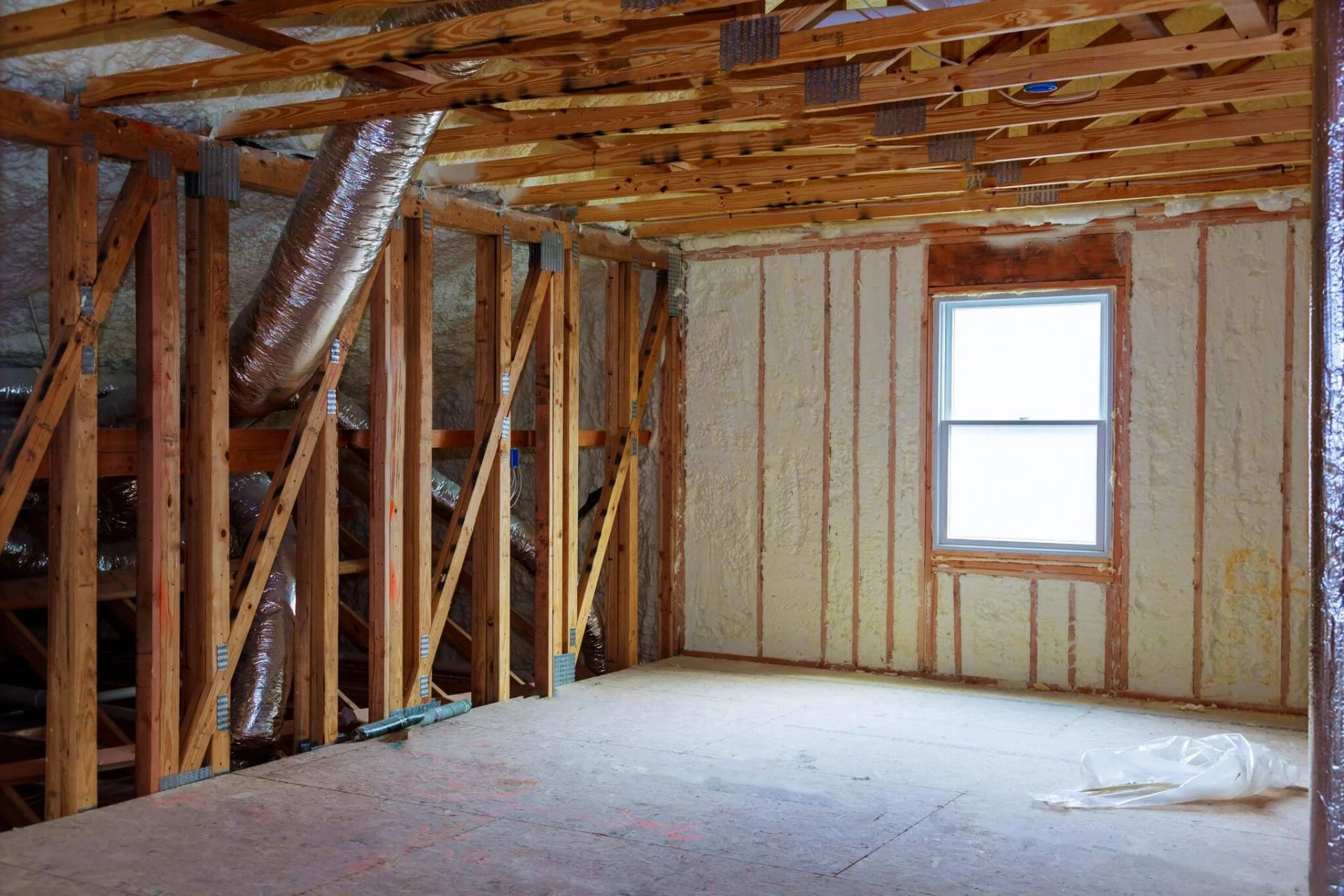
Optimizing the building envelope in New Lenox, IL, starts with targeted insulation strategies tailored for the region's mixed-humid climate. To immediately improve energy efficiency, reduce HVAC loads, and increase comfort, builders and property owners must focus on minimizing thermal bridging, air leakage, and moisture ingress through high-performance insulation solutions. Choosing the right materials and methods is crucial for long-term building durability and overall performance.
The mixed-season climate in New Lenox—with cold winters, humid summers, and high seasonal moisture variation—demands insulation strategies that do more than just control heat flow. Effective insulation must also regulate indoor air quality, control condensation, and ensure structural protection against thermal expansion and contraction. This guide provides a data-driven, experience-based breakdown of the most effective insulation techniques and materials to enhance the building envelope’s performance in local conditions.
South Chicago Insulation brings over a decade of field insight in selecting, installing, and evaluating insulation systems for residential and commercial projects across Illinois. All strategies and specifications presented below reflect this first-hand experience and verified results under real-world usage.
Effective Insulation Tactics for Envelope Optimization
Priority Considerations for Mixed-Humid Climates
For optimal envelope performance in New Lenox, insulation solutions must:
- Achieve high R-values without compromising breathability
- Resist moisture infiltration from both internal condensation and external weather
- Seal gaps that cause uncontrolled air transfer and energy loss
- Maintain performance in fluctuating temperatures and humidity
Key Insulation Strategies for Local Performance
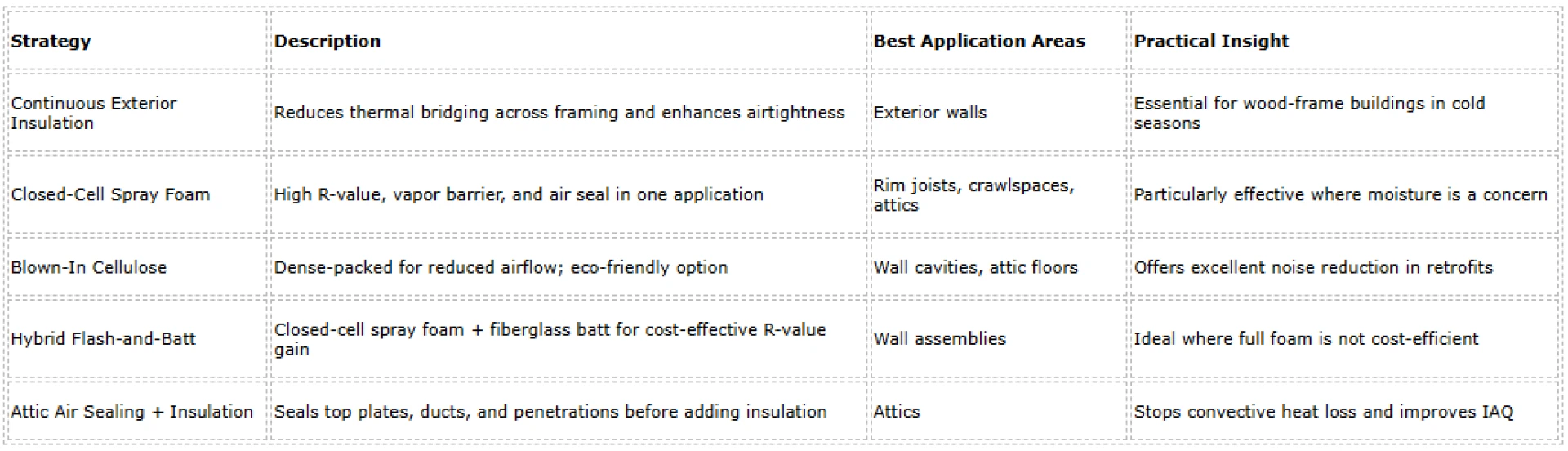
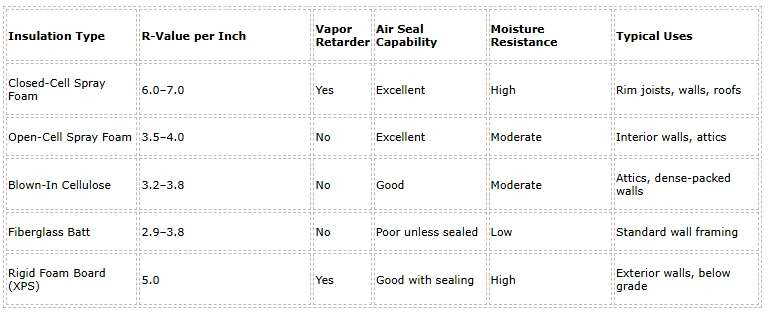
Material Comparison Table
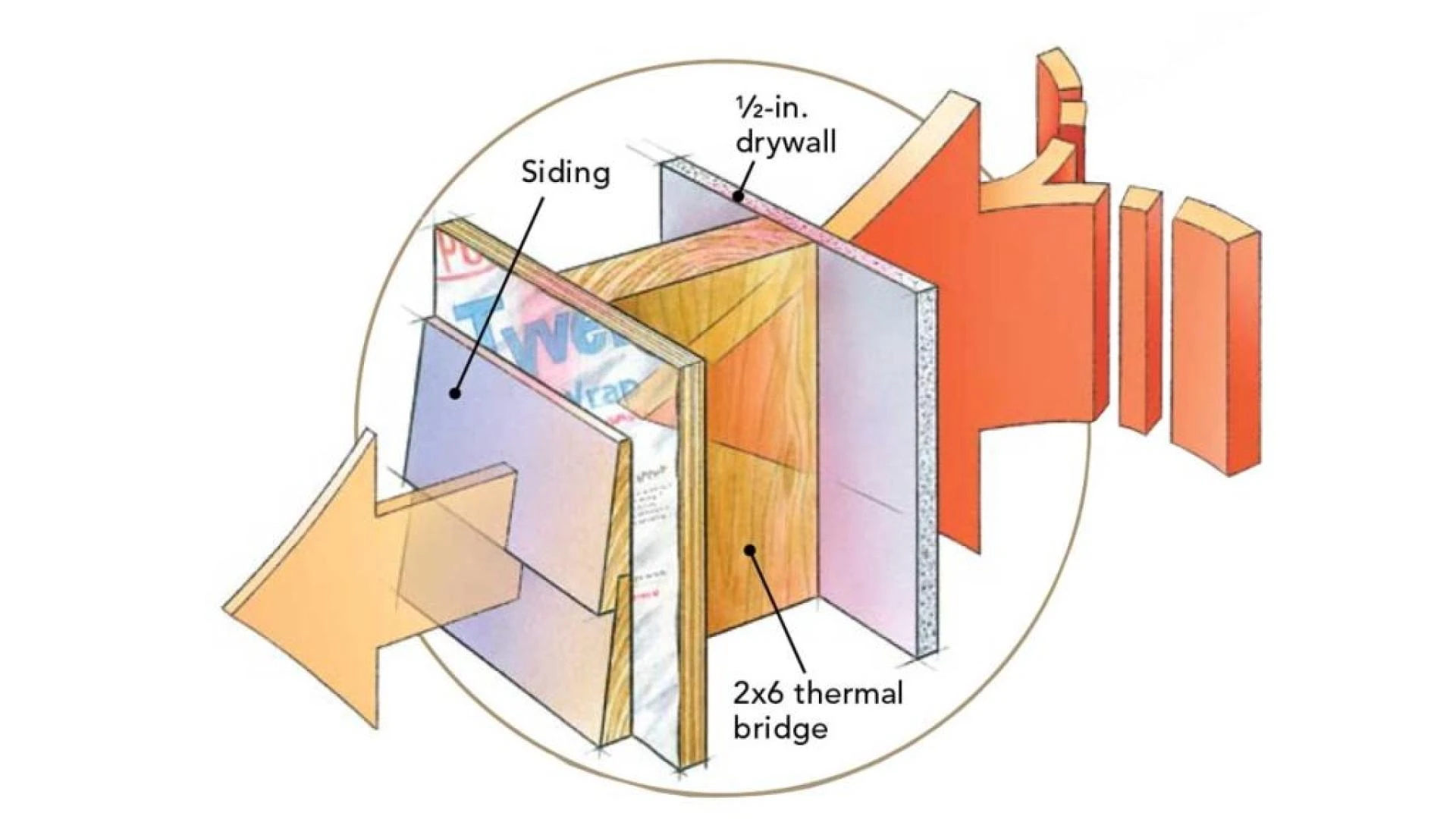
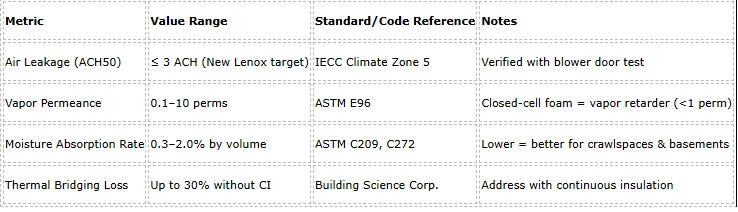
Technical Specifications Table
Things to Consider Before Making a Decision
- Existing Building Structure: Evaluate the current wall assembly. Older homes with no sheathing may benefit from dense-pack cellulose or hybrid systems.
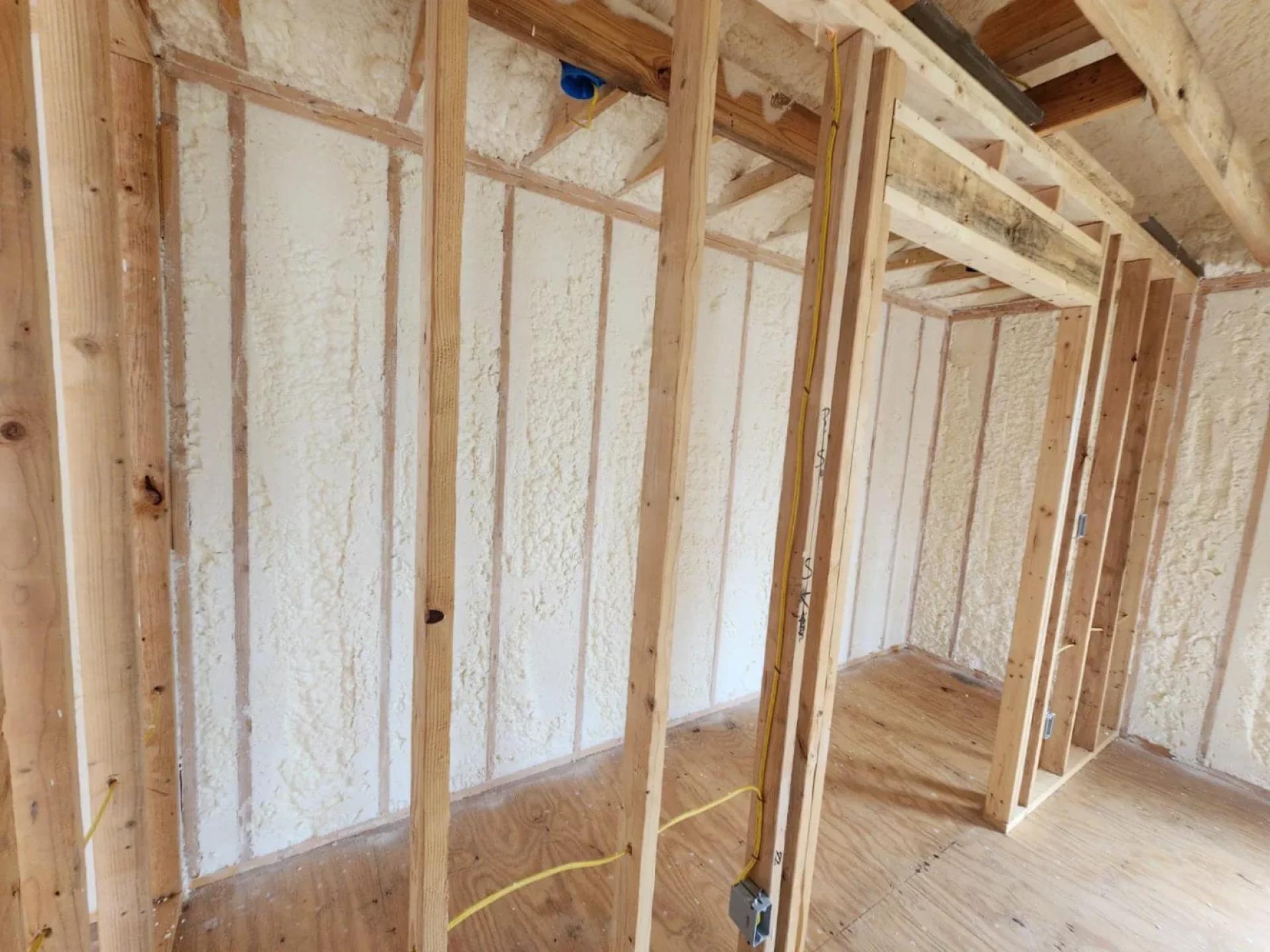
- Moisture History: Crawlspace encapsulation and closed-cell foam are critical in buildings with prior moisture damage or condensation issues.
- Budget vs. Long-Term Value: While spray foam requires more upfront planning, its durability and wide-ranging performance benefits often make it a stronger long-term solution than other options.
- Ventilation Strategy: Tighter envelopes require mechanical ventilation to maintain air quality—factor this into planning.
- Code Compliance: Ensure materials meet IECC Zone 5 requirements and local municipal codes in New Lenox.
Bonus Tip: Infrared scans during pre- and post-insulation installation help visualize thermal gaps and confirm proper coverage—particularly valuable in older buildings.
Market Trends and Insights
- Energy Star Homes in Illinois have shown up to 20% energy savings when continuous exterior insulation is applied (Source: EnergyStar.gov).
- A 2024 report by IBHS notes a 40% drop in moisture-related structural failures when closed-cell spray foam was used below-grade in mixed-humid zones.
- Residential projects using attic encapsulation strategies experienced an average 6°F reduction in second-floor summer temperatures (Source: Oak Ridge National Lab, 2023).
Common Questions People Ask Before Choosing Insulation
- Is spray foam overkill for attics in New Lenox? No. Given the area’s winter drafts and summer humidity, encapsulating attics often yields the highest ROI.
- Can insulation really improve indoor air quality? Yes. Proper air sealing and vapor control significantly reduce pollutants, allergens, and moisture migration.
- What’s better: air sealing first or insulating first? Always air seal first. Insulation loses effectiveness if air bypasses it.
- Do I need a vapor barrier with closed-cell foam? No. Closed-cell foam functions as both insulation and vapor barrier when applied at the correct thickness.
Specialized Services Supporting Envelope Optimization
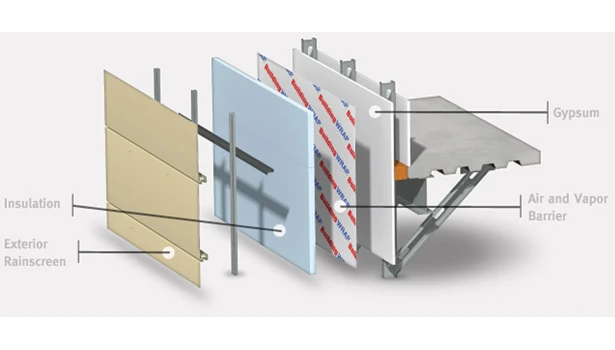
Each of the following services plays a specific role in enhancing insulation performance, moisture control, or energy efficiency within the building envelope—especially in New Lenox’s mixed-humid climate.
- Residential Insulation
- Custom insulation upgrades for existing and new homes enhance thermal consistency year-round and support improved energy efficiency.
- Commercial Insulation
- Designed for offices, warehouses, and multi-unit buildings requiring compliance with energy codes and long-term operational efficiency.
- Retrofit Insulation
- Upgrades insulation in older structures using minimally invasive techniques to address outdated materials and envelope weaknesses.
- Spray Foam Roofing
- Combines insulation and waterproofing into one seamless layer, ideal for flat and low-slope roofs where energy retention is critical.
- Roof Coatings
- Extends roof life and reflects radiant heat, reducing cooling demand while providing a secondary weatherproof barrier.
- Attic Insulation
- Controls rising heat and moisture buildup; typically involves air sealing plus blown-in or spray foam application.
- Crawlspace Encapsulation
- Seals ground moisture and eliminates air leakage, protecting the structure and improving indoor air quality.
- Home Performance Evaluation
- A diagnostic-based assessment of thermal, moisture, and airflow issues that affect comfort and energy usage.
- Sound Attenuation Insulation
- Targets noise transfer in walls, ceilings, and floors—especially useful in multi-family homes and office spaces.
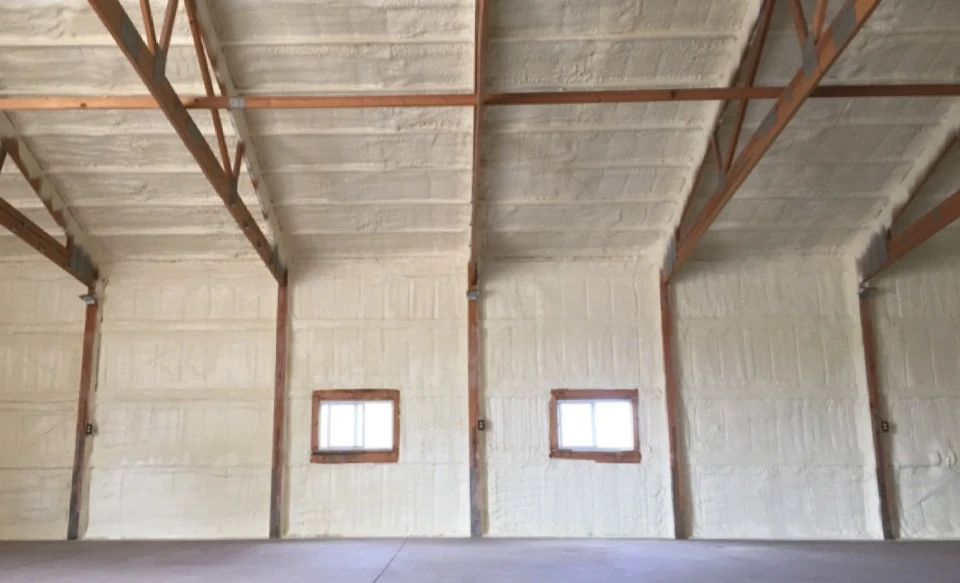
- Pole Barn Insulation
- Stabilizes interior conditions in post-frame buildings often exposed to extreme temperature swings and moisture.
- Intumescent Coatings
- Fire-resistant coatings applied over spray foam to meet fire code requirements in exposed applications.
- Blown-In Insulation
- Flexible and high-coverage solution for attics and wall cavities, ideal for both new construction and retrofit projects.
Bonus Tip: Retrofit insulation combined with air sealing can typically improve energy efficiency by up to 25% in homes built before 1980 in the New Lenox area.
FAQ Section
How often should insulation be inspected in New Lenox?
Insulation should be checked every 3–5 years, especially in attics and crawlspaces where shifting materials, pests, or moisture may degrade performance.
Can insulation settle or lose effectiveness over time?
Yes. Blown-in and batt insulation can settle or be displaced. Spray foam remains rigid and retains shape if applied correctly.
Are insulation upgrades eligible for tax credits?
Yes. Under the 2025 Inflation Reduction Act, qualifying insulation upgrades in primary residences may receive up to 30% in federal tax credits. Confirm with your tax advisor.
How can I tell if my current insulation is underperforming?
Uneven room temperatures, drafts near floors or ceilings, and rising energy bills are all signs of ineffective or aged insulation.
What’s the best insulation for noise reduction?
Dense-packed cellulose and open-cell spray foam both provide strong sound attenuation in wall cavities, ideal for bedrooms and shared walls.
Ready to Achieve Energy Efficiency and Comfort?
Building envelope optimization isn’t just about stopping heat loss—it’s a complete strategy for comfort, efficiency, and structural longevity. Apply these insights now: schedule your building performance consultation with South Chicago Insulation.
Author and Reviewer:
Contact Details:
South Chicago Insulation
📞 (779) 803-8025
Author: Bob Gasca attended his first spray foam training in 2007 and has continued to pursue yearly trainings to stay current with the latest technology and practices. He is a certified Spray Foam Master Installer through the SPFA and a member of the SPFA. Additionally, Bob serves as a Spray Foam Worldwide Ambassador, sharing information with spray foam professionals globally. Recently, he returned from a building science training, where he expanded his knowledge on how weather conditions affect home performance, helping him better diagnose and improve home health for families. Bob specializes in finding solutions to complex moisture and air infiltration issues.
Reviewer: Noah Gonzalez reviewed this article and drew on 9 years of experience to offer suggestions that make the guidance more directly useful for insulation contractors.



























Sign in to leave a comment.