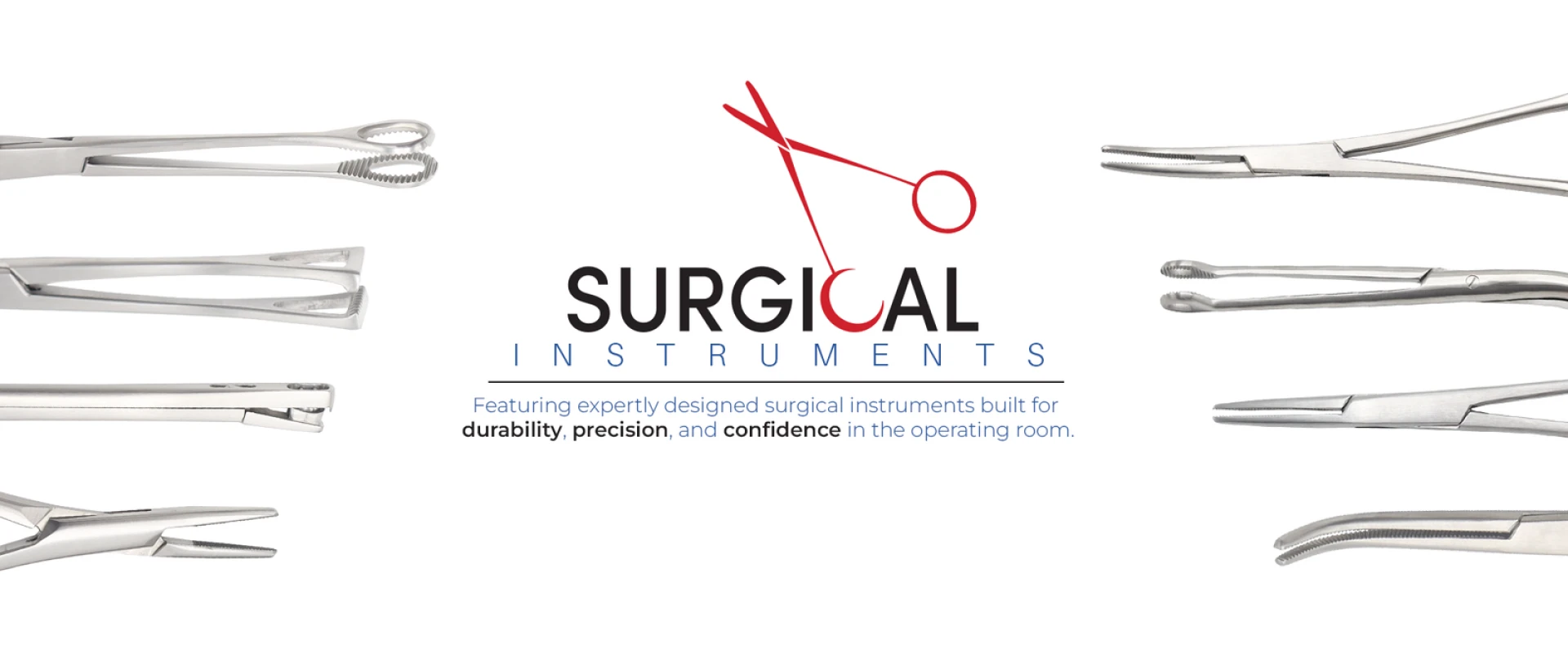

In healthcare, consistency and trust are more than conveniences—they’re essential to patient care and operational efficiency. Hospitals, clinics, and private practices depend on timely access to reliable surgical supplies and medical equipment. Yet one factor often overlooked in procurement strategy is the relationship with your suppliers. Building a strong, long-term partnership with your surgical supply store or medical equipment shop can save time, reduce costs, and improve overall care quality.
1. Prioritize Communication and Transparency:
Successful supplier relationships start with open communication. Whether you’re sourcing surgical instruments, diagnostic tools, or disposable medical products, clarity around expectations is key. Be transparent about your inventory needs, usage patterns, and delivery timelines. In return, expect the same level of openness from your supplier about pricing, product availability, and lead times.
Regular check-ins—monthly or quarterly—can help both sides anticipate challenges before they become disruptions. A proactive conversation about backorders or product updates is far more effective than reactive problem-solving in the middle of a critical procedure shortage.
2. Value Consistency Over Price Alone:
While price is always a consideration, reliability and quality should carry more weight. A slightly higher upfront cost can be justified by the assurance that your supplies will arrive on time, meet compliance standards, and perform as expected. Long-term partners often offer better value through consistent product quality, bulk purchasing options, and flexible payment terms that short-term vendors cannot match.
3. Take Advantage of Supplier Expertise:
Your surgical supply store and equipment shop aren’t just vendors—they’re industry specialists. Many stay up to date on the latest technology, safety standards, and regulatory changes. Involving them in purchasing decisions or product evaluations can bring valuable insight. Ask for product demonstrations, staff training, or recommendations for cost-effective alternatives that meet your facility’s standards.
4. Establish Mutual Trust Through Reliability:
Dependability is the foundation of any long-term business relationship. Just as you rely on suppliers to fulfill orders accurately and on time, they depend on you for prompt payments and consistent demand. Pay invoices within agreed terms, communicate early about forecast changes, and demonstrate professionalism in every interaction. This mutual reliability fosters loyalty, which can translate into priority service when supply chains tighten.
5. Leverage Technology for Better Collaboration:
Modern supplier relationships often thrive on digital integration. Many surgical supply and medical equipment providers now offer online ordering portals, inventory tracking, and automated restocking systems. Connecting your practice management or procurement software to these systems can streamline reordering, reduce human error, and provide visibility into spending trends. Digital collaboration tools make long-term partnerships even more efficient and data-driven.
6. Plan for Growth Together:
As your healthcare organization expands, your supply needs will evolve. Involving your supplier early in growth planning ensures they can scale with you. Whether you’re opening a new surgical suite, adding specialty services, or upgrading diagnostic equipment, a well-established supplier partnership can help forecast costs and source equipment aligned with your future goals.
Conclusion:
Building a long-term relationship with your surgical supply store or medical equipment shop isn’t just about convenience—it’s a strategic advantage. It ensures supply chain stability, enhances patient safety, and supports operational excellence. By prioritizing communication, reliability, and shared growth, healthcare providers can turn their suppliers into trusted partners who contribute directly to better care outcomes.
When trust and collaboration form the backbone of your supply partnerships, everyone benefits—your practice, your team, and most importantly, your patients.



































Sign in to leave a comment.