
For Sydney homeowners, protecting your property from termites is not just a matter of maintenance—it’s a critical responsibility. Termites, often called "silent destroyers," can wreak havoc on your home’s structural integrity, often without immediate detection. In a city like Sydney, where the climate is ideal for termite activity, understanding building regulations and implementing effective termite control measures is essential. This blog will guide you through what you need to know about termite protection and how to comply with Sydney’s building regulations to safeguard your home.
The Termite Problem in Sydney
Sydney’s warm, humid climate creates the perfect environment for termites to thrive. Subterranean termites, the most common species in Australia, are particularly destructive. They build colonies underground and can easily infiltrate homes through cracks in foundations, gaps in walls, or even timber that touches the soil. Once inside, they can cause extensive damage to wooden structures, flooring, and even furniture, often going unnoticed until the damage is severe.
The financial impact of a termite infestation can be staggering, with repair costs running into tens of thousands of dollars. This makes proactive termite control in Sydney not just a smart choice but a necessity for homeowners.
Building Regulations for Termite Protection
In Australia, the National Construction Code (NCC) sets the standard for building practices, including termite protection. The NCC mandates that all new homes and significant renovations must include measures to prevent termite infestations. These regulations are designed to ensure that buildings are safe, durable, and resistant to pest damage.
For Sydney homeowners, compliance with these regulations is both a legal requirement and a practical step to protect your property. Here’s what you need to know about the building regulations related to termite control:
1. Mandatory Termite Management Systems
The NCC requires that all new homes be constructed with a termite management system. This system can include physical barriers, chemical treatments, or a combination of both. Physical barriers, such as stainless steel mesh or termite-resistant materials, are installed during construction to block termites from entering the building. Chemical treatments involve applying termiticides to the soil around the property to create a protective barrier.
2. Use of Termite-Resistant Materials
Another key requirement is the use of termite-resistant materials in construction. Materials like treated timber, concrete, and steel are less susceptible to termite damage and can significantly reduce the risk of infestation. When building or renovating, it’s important to ensure that these materials are used in areas prone to termite activity, such as foundations, framing, and flooring.
3. Regular Inspections and Maintenance
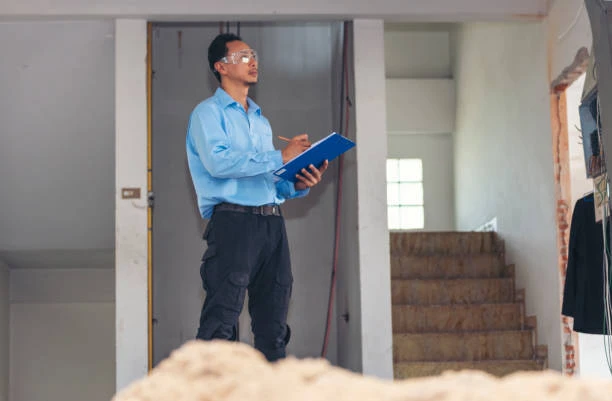
While the NCC focuses on construction standards, ongoing maintenance is equally important. Regular inspections by a professional termite control service in Sydney are crucial for early detection and prevention. Even the best termite management systems can degrade over time, and termites are relentless in their search for food sources. Annual inspections can help identify potential risks and address them before they become major problems.
4. Proper Landscaping and Drainage
The NCC also emphasises the importance of proper landscaping and drainage in termite prevention. Keeping the area around your home clear of woodpiles, debris, and other organic materials can reduce the risk of attracting termites. Additionally, ensuring that your property has adequate drainage will help prevent moisture buildup, which is a key factor in termite activity.
Why Professional Termite Control in Sydney is a Must
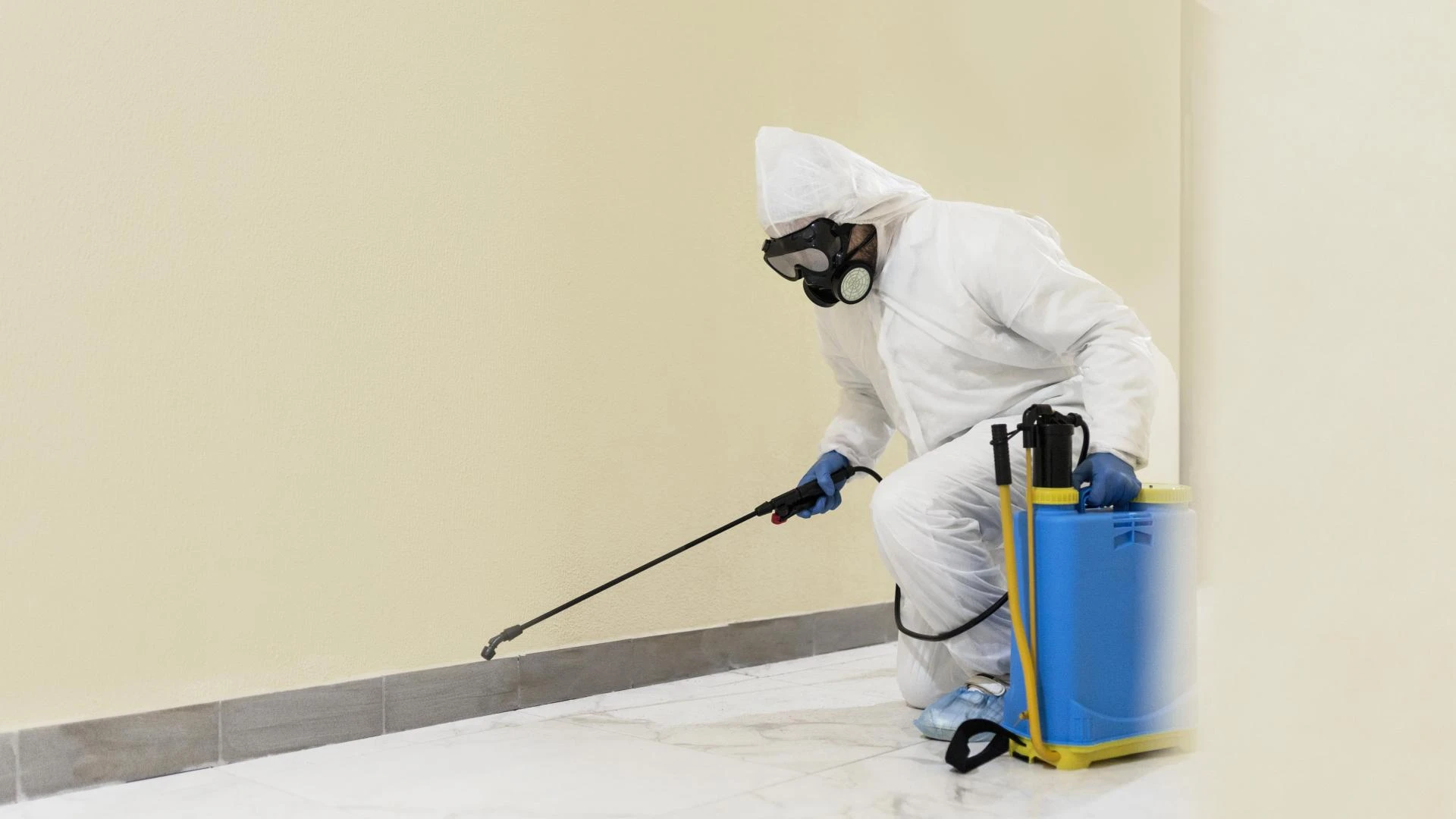
While DIY termite control methods may seem appealing, they often fall short when it comes to providing comprehensive protection. Professional termite control services in Sydney offer expertise, advanced tools, and tailored solutions to effectively manage termite risks. Here’s why hiring professionals is worth the investment:
- Expert Inspections: Professionals use specialised equipment, such as thermal imaging and moisture meters, to detect termite activity that may be invisible to the untrained eye.
- Targeted Treatments: From soil treatments to baiting systems, professionals can implement the most effective solutions based on your property’s specific needs.
- Long-Term Prevention: Regular monitoring and maintenance plans ensure that your home remains protected year-round.
Tips for Sydney Homeowners
In addition to complying with building regulations and hiring professionals, there are several steps you can take to protect your home from termites:
- Reduce Moisture: Fix leaky pipes, ensure proper drainage, and ventilate crawl spaces to eliminate moisture, which attracts termites.
- Remove Wooden Debris: Keep firewood, timber, and other wooden materials away from your home’s foundation.
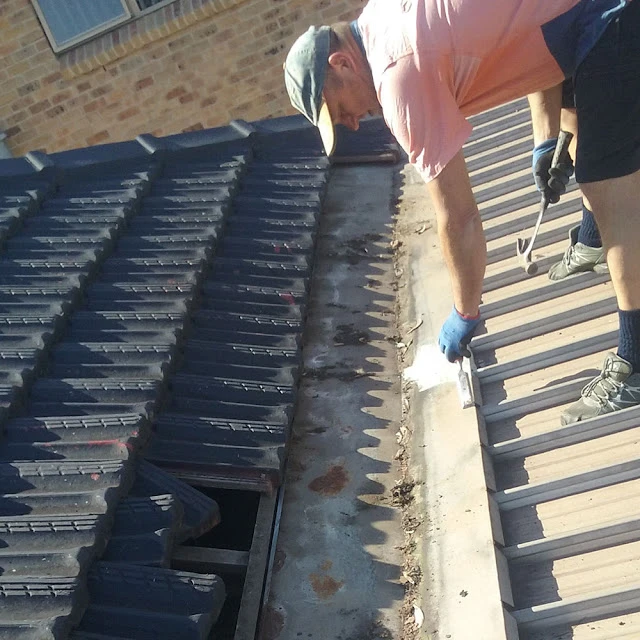
- Seal Entry Points: Regularly inspect and seal cracks in your home’s foundation, walls, and roof to prevent termites from entering.
- Stay Vigilant: Look out for signs of termite activity, such as mud tubes, hollow-sounding timber, or discarded wings.
Conclusion
Termite control in Sydney is a critical aspect of homeownership that requires attention to detail and proactive measures. By understanding and adhering to building regulations, using termite-resistant materials, and investing in professional termite control services, you can protect your home from the devastating effects of termite damage.
Remember, termites are a persistent threat, and prevention is always better than cure. Taking the necessary steps to safeguard your home today will save you time, money, and stress in the long run. Don’t wait until it’s too late—act now to ensure your Sydney home remains termite-free.
If you’re concerned about termites or need expert advice on termite control in Sydney, contact a licensed pest control professional today. Your home is your most valuable asset—protect it with the right measures and expertise.










Sign in to leave a comment.