

Penrith is home to some of Sydney’s most charming and historically significant houses. From Federation-style cottages to elegant Victorian terraces, these heritage homes are a testament to the city’s rich architectural history. However, one of the biggest threats to these timeless structures is termite damage. Without proper intervention, termites can silently destroy wooden foundations, causing costly and irreversible damage.
For homeowners, preserving these properties requires proactive measures, including regular inspections and expert pest control Penrith services. Understanding how termites operate and the best ways to prevent infestations can save heritage homes from extensive structural damage.
Why Are Heritage Homes in Penrith at Risk?
Older homes are particularly vulnerable to termites due to their timber foundations and lack of modern construction materials designed to resist pests. Unlike contemporary homes built with treated wood and termite barriers, many heritage houses still feature original hardwoods, which can attract termites if not properly maintained.
Penrith’s climate also plays a role in the high risk of termite infestations. The combination of warm temperatures and humidity creates the perfect environment for subterranean termites, which thrive in moist soil and concealed wooden structures. These pests can enter homes through tiny cracks in the foundation, often going unnoticed until significant damage has already occurred.
Signs of Termite Infestation in Heritage Homes
Because termites work silently, many homeowners don’t realise they have an infestation until the damage becomes severe. Here are some early warning signs to look for:
- Hollow-sounding timber: If wooden floors, doors, or walls sound hollow when tapped, termites may have eaten through the inside.
- Sagging floors or ceilings: Weakening of timber structures can lead to visible warping and uneven surfaces.
- Mud tunnels: Subterranean termites create small, tube-like tunnels along walls or foundations as they move between their nest and food source.
- Discarded wings: After swarming, reproductive termites shed their wings, which can often be found near windows and doors.
- Clicking sounds in the walls: Soldier termites bang their heads against wood to signal danger to the colony, creating a faint clicking noise.
If you notice any of these signs, it’s crucial to contact a professional pest control Penrith service immediately to assess and treat the infestation before it worsens.
Preventative Measures to Protect Your Home
The best way to protect heritage homes from termites is through a combination of preventative maintenance and professional pest control solutions. Here are some essential steps homeowners can take:
Regular Termite Inspections
Scheduling annual termite inspections is one of the most effective ways to detect and prevent infestations. Licensed pest control Penrith experts use advanced detection tools such as thermal imaging cameras and moisture meters to identify termite activity before visible damage occurs.
Reduce Moisture Around the Property
Termites are drawn to damp environments, so it’s essential to address any moisture issues around the home. Fix leaking pipes, improve drainage systems, and ensure gutters are clear to prevent water buildup near wooden structures.
Install Termite Barriers
Chemical and physical termite barriers can be installed around the property to deter termites from entering. Chemical barriers involve treating the soil with termiticides, while physical barriers use metal or crushed rock to block entry points.
Protect Wooden Structures
For heritage homes with exposed wooden features, applying termite-resistant coatings or treatments can help protect against infestations. Regularly check for cracks or gaps in wooden foundations, doors, and window frames, sealing any potential entry points.
Keep Firewood and Mulch Away from the House
Storing firewood or mulch near the home provides an easy food source for termites. Keep woodpiles at least 10 metres away from the property and use alternative materials like gravel or rubber mulch in garden beds.
The Role of Professional Pest Control in Termite Management
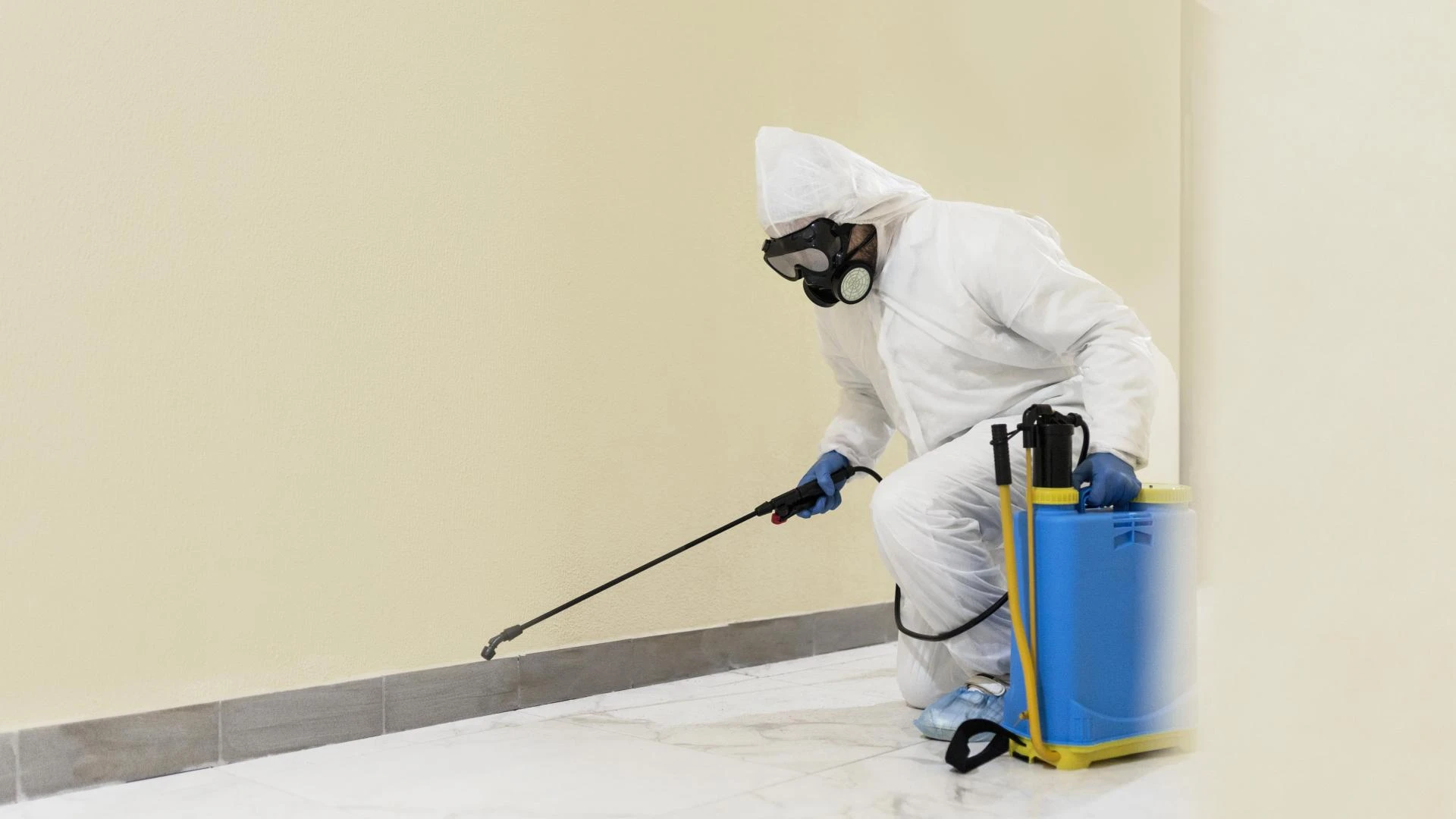
While preventative measures are important, professional pest control remains the most reliable way to protect Penrith’s heritage homes from termite damage. Experienced pest control Penrith specialists offer targeted treatments that eliminate termite colonies and prevent future infestations.
Some of the most effective termite treatment options include:
- Baiting systems: Placing bait stations around the property to attract termites and gradually eliminate the colony.
- Soil treatment: Injecting termiticides into the soil to create a protective barrier around the home.
- Wood treatment: Applying termite-resistant solutions to exposed wooden structures to deter infestations.
- Fumigation: In severe cases, fumigation may be necessary to eradicate termites from the entire property.
Choosing a reputable pest control service ensures that treatments are safe, effective, and tailored to the specific needs of heritage homes.
Preserving Penrith’s Architectural Heritage
Heritage homes in Penrith hold immense cultural and historical value, making their preservation a priority for homeowners and the community. Termites pose a serious threat to these properties, but with regular inspections, preventative measures, and expert pest control Penrith services, they can be safeguarded for generations to come.
If you own a heritage home, don’t wait until termite damage becomes visible. Investing in professional pest management today will ensure that your property remains a beautiful and structurally sound part of Penrith’s history.


























Sign in to leave a comment.