
My uncle owns a small manufacturing shop outside Kitchener, the kind of place with two loading docks, a handful of forklifts, and inventory worth far more than the modest building itself suggests from the outside.
He's run that shop for almost twenty years, and when I visited last month, he spent nearly an hour walking me through everything he'd changed about security in just the past year alone.
What struck me wasn't any single upgrade, but how much the overall approach had shifted compared to what he described doing a decade earlier, back when a single alarm panel felt like more than enough.
Businesses Are Moving Toward Layered Protection
The old approach for many commercial properties involved a single alarm system covering the whole building, treated as sufficient protection on its own regardless of how the space actually got used.
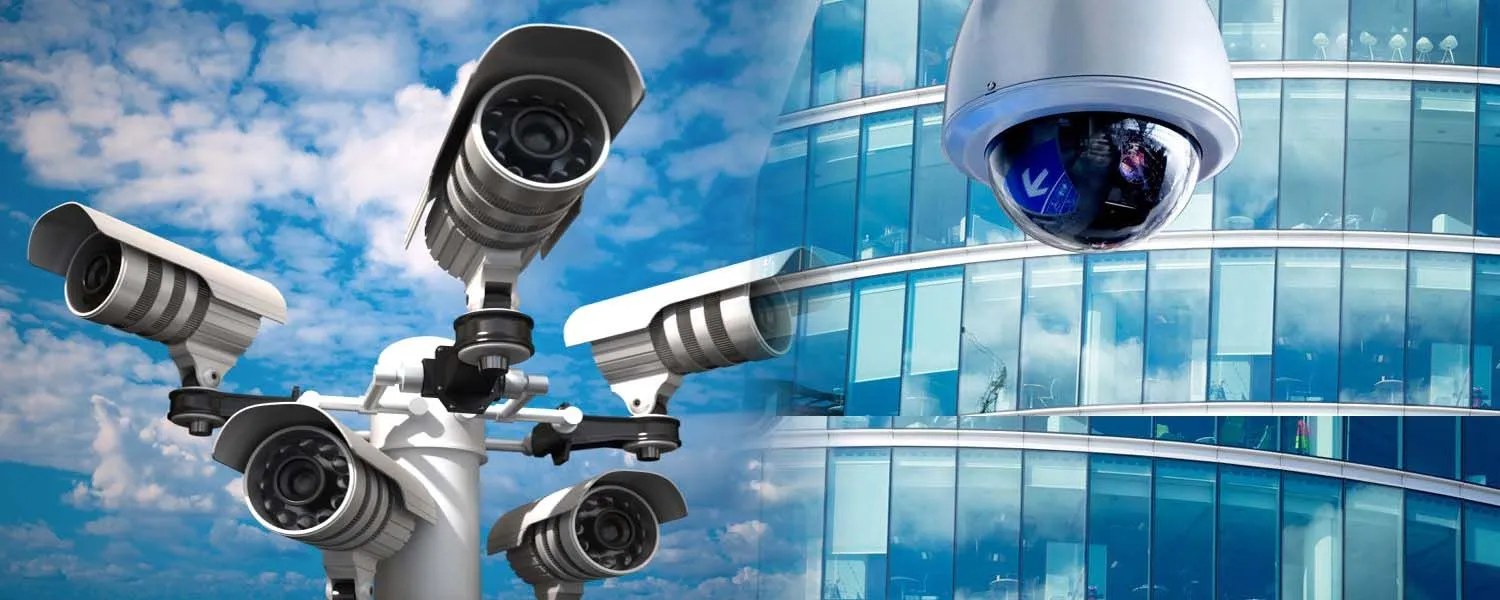
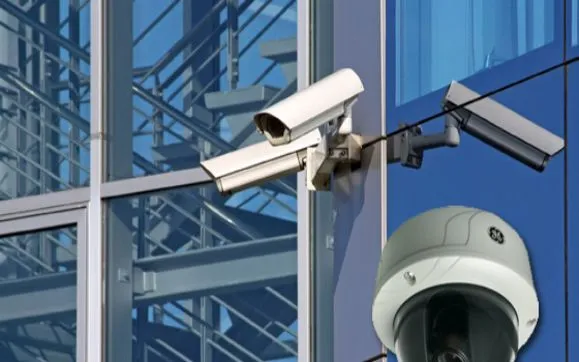
That's shifted noticeably, with more businesses layering cameras, access control, and monitored alarms together, recognizing that no single measure adequately covers every type of risk a commercial property faces.
My uncle's shop now runs all three simultaneously, a combination he says would have felt excessive to his younger self but makes complete sense given everything he's dealt with over the years.
Access Control Is Becoming Standard, Not Optional
Businesses with multiple employees, shifts, or contractors increasingly rely on access control systems rather than shared keys, specifically to track who enters and when with actual precision.
This shift reflects a broader recognition that shared physical keys create liability the moment someone leaves the company or a key simply gets lost without anyone noticing for weeks.
My uncle's shop switched to keycard access two years ago after realizing several former employees likely still had copies of an old shared key that had never been formally tracked.
Cloud-Based Monitoring Changes How Owners Stay Connected
Older commercial systems required owners to be physically present or rely entirely on a monitoring center to relay information after the fact.
Cloud-based systems now let business owners check live footage, review alerts, and manage access remotely from anywhere, a shift that's particularly valuable for owners managing multiple locations or frequent travel.
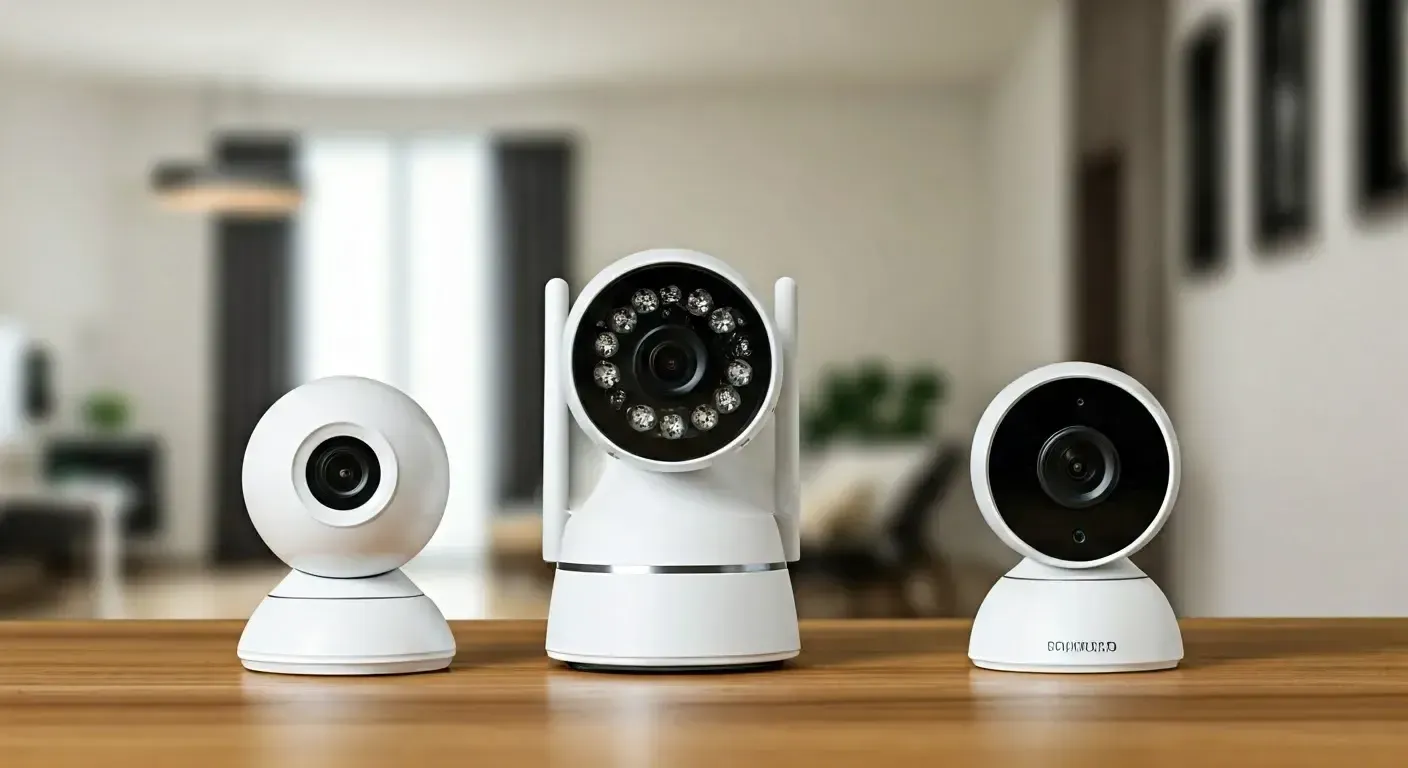
My uncle checks his shop's cameras from his phone most mornings before even arriving, catching potential issues before they become actual problems during the workday.
Integration With Fire and Environmental Monitoring
Commercial properties increasingly bundle intrusion detection with fire, smoke, and water sensors into a single connected system rather than treating each as a separate, unrelated concern.
This matters particularly for manufacturing and warehouse spaces, where equipment failure or environmental damage can cause losses just as significant as theft, sometimes considerably more.
A burst pipe over a long weekend at my uncle's shop years ago caused thousands in inventory damage, an incident that directly pushed him toward adding water sensors alongside his existing alarm system.
Rising Awareness Around Cyber-Physical Overlap
As commercial security systems become more connected, businesses increasingly have to think about digital vulnerabilities alongside physical ones, since a compromised network can potentially expose camera feeds or access logs.
This overlap wasn't much of a consideration a decade ago, but it's become a standard part of how thorough security assessments approach commercial properties now.
My uncle's shop added a separate network specifically for security devices, isolating them from the systems running day-to-day business operations and reducing that overlap risk considerably.
Insurance Incentives Are Driving Adoption
Many commercial insurance providers now offer meaningful premium reductions for businesses with monitored, documented security systems, creating a financial incentive beyond just loss prevention itself.
This has pushed some business owners who were previously hesitant about the upfront cost to finally move forward, treating the investment as partially offset by ongoing insurance savings.
My uncle mentioned this factored directly into his own decision, since the reduced premium made the monthly monitoring cost feel considerably more reasonable once he calculated the actual net difference.
Smaller Businesses Are Catching Up to Larger Ones
Historically, comprehensive security felt reserved for larger operations with bigger budgets, while smaller businesses made do with basic alarms and hoped for the best.
That gap has narrowed considerably as equipment costs have dropped and subscription-based monitoring has made professional-grade coverage accessible to businesses that couldn't have justified it financially even five years ago.
Talking with my uncle, it's clear that most business owners now researching commercial security systems expect layered coverage as a baseline expectation, not a premium upgrade reserved for larger competitors.
What My Uncle Finally Implemented
After the water damage incident and growing concerns about the old shared key, he brought in Empire Security to reassess the entire property and design a proper layered system.
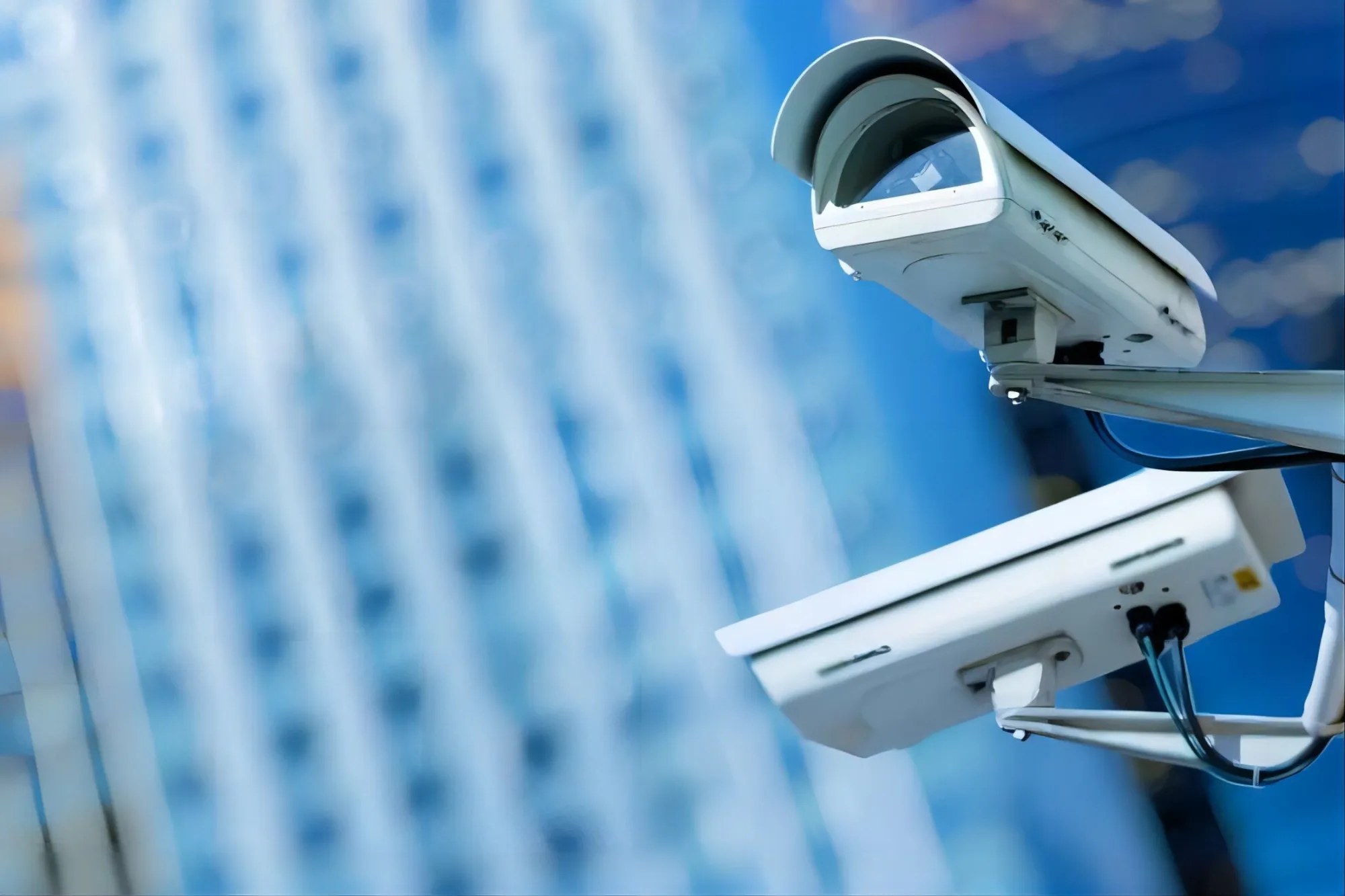
Their technician recommended access control for both loading docks, environmental sensors throughout the warehouse floor, and cameras covering blind spots he hadn't previously considered a real risk.
A Shop That Finally Feels Fully Covered
Two years into the new setup, my uncle says the peace of mind extends well beyond just theft prevention, it's changed how confidently he can step away from the business without constant worry.
Standing in that loading dock during my visit, watching him casually check camera footage from his phone between conversations, it was clear how far commercial security expectations have shifted since the days of a single alarm panel being considered enough.






















Sign in to leave a comment.