

Australia’s climate isn’t just diverse—it’s a driving force behind pest behaviour. Whether it’s the intense summer heat or the sudden downpours of autumn, pests respond swiftly to changes in the weather. For homeowners, this means pest control is never a one-size-fits-all approach. Each season brings its own unique challenges, and understanding these shifts is the first step to protecting your home year-round.
How Does Weather Affect Pest Activity?
Weather plays a major role in the life cycles, nesting habits, and migration of pests. Warmer temperatures can accelerate breeding, while heavy rains may drive insects indoors. Cold snaps force rodents to seek warmth inside homes. Essentially, weather changes can either spike or suppress pest activity, depending on the species and conditions.
Spring: Awakening of Pest Populations
As the temperatures rise and days get longer, spring marks the beginning of increased pest activity. Insects like ants, spiders, cockroaches, and termites emerge from their dormant states. It’s also the start of the breeding season for many pests.
What pests are common in spring in Australia?
During spring, pests like ants, cockroaches, spiders, and termites become more active as the weather warms up. This season offers ideal breeding conditions, prompting these pests to invade homes for food and shelter.
Spring cleaning may freshen up your home, but it also disturbs dormant pests, sending them scrambling for new hiding spots. Moisture from spring rains can also lure pests like termites and ants toward wooden structures.
Pest Control Tips for Spring:
- Seal cracks around doors and windows
- Trim garden overgrowth close to the house
- Schedule a termite inspection early
- Keep pantry items in sealed containers
Summer: Peak Infestation Season
With high humidity and soaring temperatures, summer is when pest problems reach their peak. Mosquitoes, flies, cockroaches, and ants are at their most active, and warm conditions accelerate their reproduction cycles.
Why are pest infestations worse in summer?
Hot, humid weather creates the perfect breeding environment for most pests, especially cockroaches, mosquitoes, and flies. They reproduce faster, feed more, and are more aggressive in seeking shelter and food inside homes.
Outdoor activities and open doors make it easier for pests to sneak in, while garbage, food scraps, and standing water provide attractive nesting grounds.
Pest Control Tips for Summer:
- Install fly screens on doors and windows
- Remove standing water to deter mosquitoes
- Keep rubbish bins tightly sealed
- Avoid leaving pet food outside overnight
Autumn: The Great Invasion
Autumn is a transitional season where temperatures begin to drop. Pests like rodents, spiders, and cockroaches start preparing for winter by finding warm places to shelter—usually inside your home.
Why do pests enter homes in autumn?
As temperatures cool, pests begin moving indoors to escape the cold. This includes spiders, cockroaches, and especially rodents, who seek out insulation, food, and shelter in attics and basements.
This season also sees termites staying active, especially in areas with high rainfall, since moist soil is perfect for their nesting.
Pest Control Tips for Autumn:
- Store firewood away from the home’s exterior
- Close off gaps in roof tiles and vents
- Clean gutters to avoid water build-up
- Use rodent-proof containers for food storage
Winter: Rodents and Indoor Insects Take Over
Although most insect activity slows down in winter, this season doesn’t mean you’re pest-free. Rodents, cockroaches, and silverfish thrive in the warm spaces within your home. Since food sources are limited outdoors, they become bolder in seeking out your pantry.
What pests are most active in winter?
Winter pest threats mainly include rodents, cockroaches, and silverfish. These pests seek warmth and food inside homes and often nest in roof cavities, walls, or under floors to escape the cold.
Rodents, in particular, chew through insulation, wires, and stored goods, making them a costly nuisance. Cockroaches continue to hide in kitchens and bathrooms, while silverfish can damage books and clothing.
Pest Control Tips for Winter:
- Insulate roof spaces and seal wall cavities
- Store winter clothes in airtight containers
- Repair leaking pipes to reduce moisture
- Clean under appliances where pests hide
How Can You Pest-Proof Your Home Year-Round?
Maintaining consistent pest prevention strategies throughout the year is the best defence against seasonal invasions. Rather than waiting for infestations to occur, proactive maintenance—like sealing gaps, removing clutter, and managing waste—keeps pests at bay.
What is the most effective way to pest-proof your home?
The most effective approach to pest-proofing is regular, seasonal inspections combined with simple preventive measures like sealing entry points, clearing clutter, and managing food waste. A professional pest control service can tailor treatments based on seasonal risks.
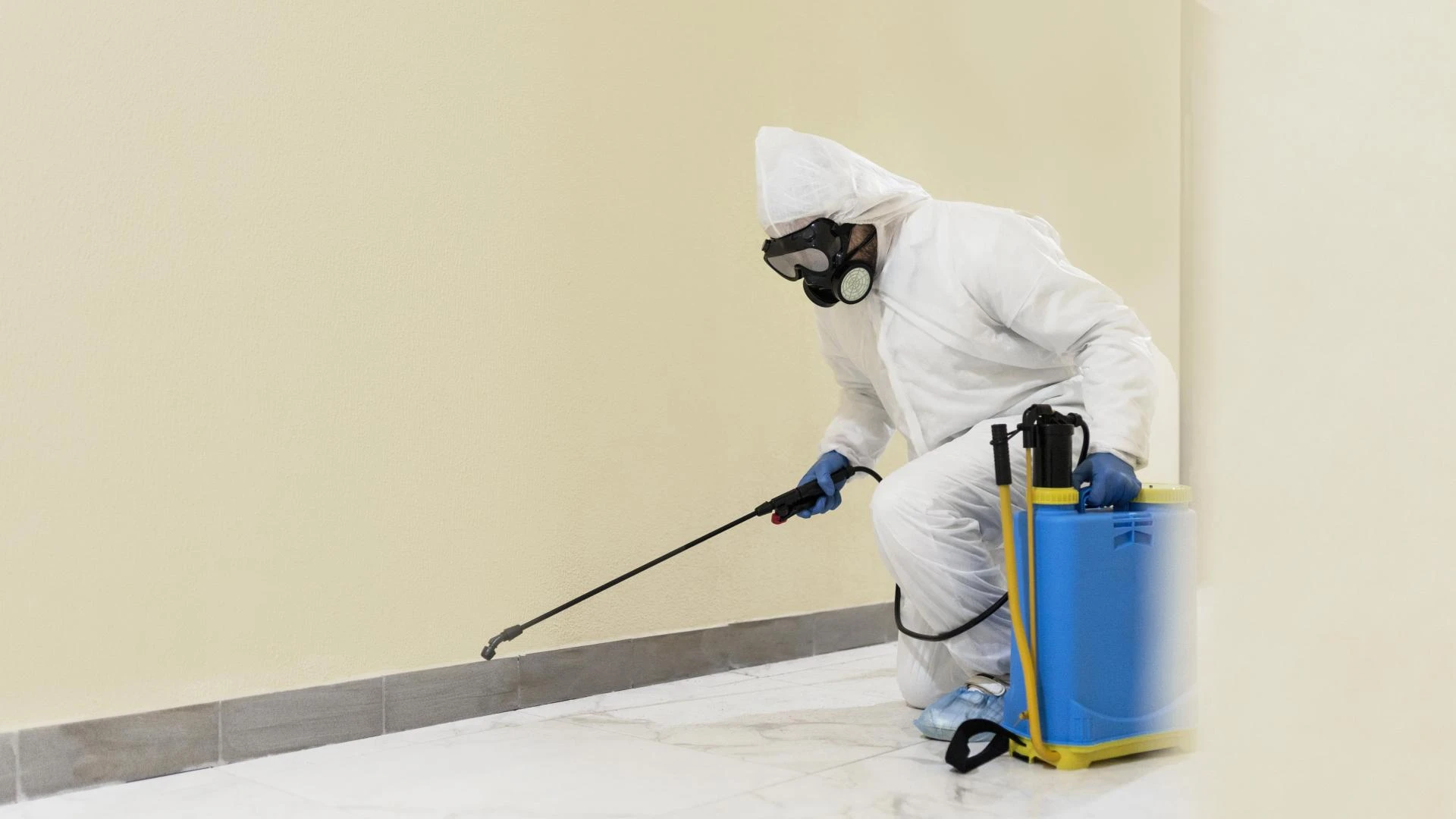
Regular inspections by experts like Rentokil ensure your pest management strategy evolves with the seasons. Professionals are trained to detect early signs of infestations and apply the most effective, eco-friendly solutions.
The Weather-Pest Calendar: A Seasonal Pest Control Checklist
SeasonCommon PestsPreventive MeasuresSpringAnts, termites, spiders, roachesSeal cracks, trim vegetation, termite checkSummerMosquitoes, flies, cockroaches, antsInstall screens, manage water and wasteAutumnRodents, spiders, cockroachesBlock entry points, store food securelyWinterRodents, silverfish, cockroachesInsulate, repair leaks, deep clean
Why Choose Professional Pest Control?
DIY solutions may provide temporary relief, but they often miss the root cause. Pest control professionals assess seasonal risk factors, identify problem areas, and apply targeted treatments with long-lasting impact.
Is professional pest control worth it?
Yes, professional pest control offers expert solutions tailored to your home and the season. It prevents recurring infestations, addresses hidden nests, and provides long-term protection that DIY methods typically can’t achieve.
With Rentokil’s customised pest management plans, you’ll get expert guidance and timely interventions based on weather patterns and pest behaviour specific to your region.
Final Thoughts
Weather doesn’t just change your wardrobe—it changes the pest landscape around and inside your home. By understanding how each season affects pest activity, homeowners can act early and stay ahead. Whether it’s blocking off rodent entry points in winter or managing mosquito breeding in summer, every season requires its own pest control playbook.
Rentokil’s experienced technicians can help you implement the right seasonal pest control strategy—because when the weather changes, so should your pest defence.

































Sign in to leave a comment.