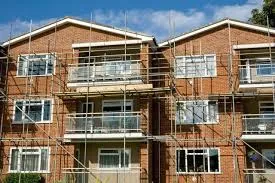

Restoring a damaged or aging building is an important investment that helps preserve structural integrity, improve appearance, and protect long-term property value. However, one of the biggest concerns for property owners is understanding how much a restoration project may cost and what factors influence the final price.
Building restoration costs can vary significantly depending on the condition of the property, the type of materials involved, the extent of damage, and the complexity of the restoration work. A small repair project may require limited improvements, while an older or heavily damaged structure may need extensive restoration to return it to a safe and functional condition.
For homeowners, commercial property owners, and investors, understanding the factors behind restoration pricing makes it easier to plan budgets and make informed decisions. Instead of waiting until problems become severe, knowing what affects restoration costs allows property owners to take proactive steps that protect their buildings.
Why Understanding Building Restoration Costs Matters
Planning Ahead Helps Avoid Unexpected Expenses
Many property owners delay restoration because they are uncertain about the potential costs involved. However, postponing necessary repairs can often increase expenses over time. Minor issues such as damaged masonry, small cracks, or moisture problems can develop into larger structural concerns if they are ignored.
A proper understanding of restoration costs helps owners recognize the importance of early action. Professional restoration focuses on repairing existing damage, preserving valuable building features, and preventing future deterioration.
By evaluating the condition of a property early, owners can prioritize necessary improvements and avoid the financial burden of emergency repairs caused by neglected maintenance.
Property Size and Restoration Scope Affect Overall Cost
Larger Buildings Usually Require More Extensive Restoration Work
One of the biggest factors affecting restoration pricing is the size and complexity of the building. A small residential property may require fewer materials and less labor compared to a large commercial structure with multiple exterior surfaces and architectural details.
The scope of work also plays an important role. Some restoration projects may focus only on specific areas, such as masonry repairs or exterior improvements, while others may involve restoring multiple parts of the building.
A detailed inspection helps determine the exact requirements of a project and allows restoration professionals to create a solution based on the building’s unique needs.
The Condition of the Building Determines Restoration Requirements
Existing Damage Can Significantly Influence Project Costs
The current condition of a building is one of the most important factors that affects restoration expenses. A structure with minor surface damage may require limited repairs, while a building with years of deterioration may need more extensive work.
Common issues that can increase restoration requirements include damaged brickwork, deteriorating mortar joints, water intrusion, weakened exterior surfaces, and structural concerns.
Older buildings often require specialized attention because restoration professionals must protect original materials while improving durability. Careful assessment ensures that repairs address the actual cause of damage rather than providing temporary solutions.
Material Selection Plays a Major Role in Restoration Pricing
Original and Specialty Materials May Require Additional Expertise
The materials used during restoration can influence both the cost and complexity of a project. Buildings constructed with brick, stone, historic masonry, or custom architectural features may require specialized techniques and materials to maintain their original appearance.
For example, restoring an older masonry structure may involve matching existing brick colors, replacing damaged stones, or using compatible mortar materials. These details require experience and precision to ensure the restored areas blend naturally with the existing structure.
Professional restoration is focused on preserving the building’s character while improving its strength and protection against future damage.
Labor and Restoration Expertise Impact the Final Investment
Skilled Restoration Work Provides Long-Term Value
Restoration is not the same as basic repair work. It requires knowledge of building materials, construction methods, and preservation techniques. The expertise of the restoration contractor can influence the quality, durability, and overall success of the project.
Experienced professionals understand how to identify hidden problems, select appropriate repair methods, and complete restoration work without causing unnecessary damage to existing structures.
Property owners searching for reliable solutions often choose building restoration cost in Newburyport, MA to restore aging properties, repair structural concerns, and protect their investments with professional restoration methods.
Investing in qualified restoration specialists helps ensure the work is completed correctly and provides long-lasting benefits.
Location and Environmental Conditions Can Affect Restoration Costs
Local Weather Conditions Influence Building Maintenance Needs
The location of a property can also impact restoration expenses. Buildings exposed to harsh weather conditions may experience faster deterioration due to moisture, temperature changes, and seasonal challenges.
In areas like New England, properties often face conditions such as heavy rain, snow, freezing temperatures, and freeze-thaw cycles. These environmental factors can contribute to masonry damage, cracks, and water-related problems.
Restoration plans must consider local conditions to ensure repairs provide lasting protection. Using appropriate materials and restoration techniques helps buildings withstand future weather exposure.
The Importance of Professional Building Inspections Before Restoration
Accurate Evaluations Help Create Realistic Restoration Budgets
Before beginning any restoration project, a professional inspection is essential. A detailed evaluation identifies visible damage, hidden issues, and potential areas that may require attention.
Without a proper assessment, property owners may underestimate project requirements or invest in repairs that do not solve the underlying problem.
A professional inspection provides valuable information about the building’s condition and helps create a realistic restoration plan. This approach allows owners to understand where their investment is going and what improvements are necessary.
Why Delaying Restoration Can Increase Costs
Small Problems Can Become Expensive Repairs Over Time
Many restoration projects become more expensive because problems are ignored for too long. A minor crack may allow moisture to enter a building, while damaged exterior materials may continue deteriorating with each season.
As damage spreads, restoration becomes more complex and requires additional labor and materials. Addressing issues early helps reduce costs and prevents avoidable structural problems.
Regular maintenance and timely restoration are valuable strategies for protecting both residential and commercial properties.
Final Thoughts: Investing in Restoration Protects Your Property’s Future
Building restoration costs depend on many factors, including property size, damage level, materials, labor requirements, and environmental conditions. While every restoration project is different, investing in professional restoration provides significant long-term benefits.
Rather than viewing restoration as an unexpected expense, property owners should consider it an investment in safety, appearance, and property value. Proper restoration helps extend the life of a building while preserving its original character and functionality.
By understanding what influences restoration costs and addressing issues before they become severe, property owners can make smarter decisions and protect their buildings for years to come.






























Sign in to leave a comment.