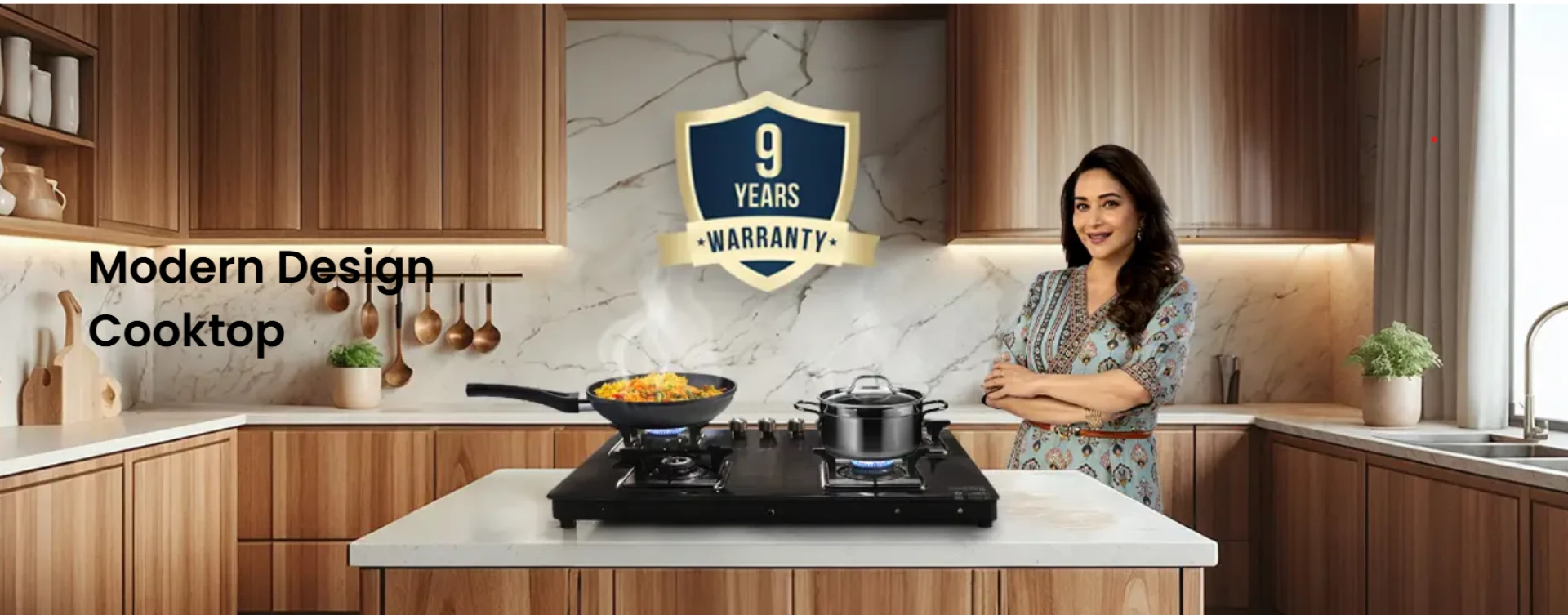

Choosing the right cooking appliance is one of the most important decisions in a kitchen upgrade. As modern kitchens become more design-focused and space-efficient, homeowners often find themselves comparing a built-in cooktop to a traditional stove. While both serve the same purpose, their designs, functionality, and overall kitchen impact can vary significantly.
If you are planning a kitchen renovation or setting up a new space, this guide will help you understand the key differences between a built-in cooktop, a counter cooktop, and a classic counter top stove, so you can make an informed choice.
What Is a Built-In Cooktop?
A built-in cooktop is installed directly into the kitchen counter, creating a seamless and integrated look. Unlike freestanding stoves, it sits flush with the countertop and is often paired with a separate built-in oven or storage unit below.
Homeowners who prefer a sleek, modular kitchen layout usually opt for a built-in cooktop because it enhances aesthetics while improving space utilisation. It offers a modern finish and blends perfectly with contemporary cabinetry designs.
What Is a Traditional Stove?
A traditional counter top stove is a freestanding unit placed directly on the kitchen slab. It is easy to install and does not require structural modifications. Many Indian households continue to use a counter top stove because of its simplicity, affordability, and flexibility.
Similarly, a gas countertop cooktop offers surface-level installation without permanent integration into the counter. It provides the convenience of easy placement and replacement.
Design and Aesthetics
One of the biggest advantages of a built-in cooktop is its streamlined appearance. Since it sits flush with the slab, it eliminates gaps and creates a clutter-free look. This design makes cleaning easier and enhances the overall visual appeal of the kitchen.
On the other hand, a counter top stove may leave visible edges and small gaps where spills can accumulate. While modern gas countertop cooktop designsare stylish, they still do not offer the fully integrated look of a built-in model.
If aesthetics and a premium finish matter to you, a built-in option clearly stands out.
Installation and Space Utilisation
A built-in cooktop requires a cut-out in the kitchen slab and professional installation. Once installed, it becomes a permanent fixture. This makes it ideal for homeowners who are certain about their kitchen layout.
In contrast, a counter top stove or gas counter cooktop can be placed and replaced easily. It does not require structural changes, making it suitable for rented homes or temporary setups.
When it comes to space optimisation, a built-in cooktop allows better planning for drawers or cabinets below, offering improved storage solutions in modular kitchens.
Cleaning and Maintenance
Maintenance is another important factor. A built-in cooktop is generally easier to clean because spills stay on the flat surface and there are fewer hard-to-reach corners. Its seamless integration reduces dirt accumulation along the edges.
A counter stove, however, may require more frequent deep cleaning around its base. Similarly, a gas countertop cooktop can sometimes allow spills to seep beneath the surface if not cleaned promptly.
For busy households that cook daily, especially Indian meals involving tadka and deep frying, ease of cleaning can be a deciding factor.
Cooking Performance for Indian Kitchens
Indian cooking often involves high heat, heavy utensils, and long cooking times. Both a built-in cooktop and a gas countertop cooktop can deliver strong flame performance, provided they are designed with durable burners and sturdy pan supports.
A high-quality countertop stove is equally capable of handling pressure cookers, large kadais, and tavas. The key lies in choosing a model engineered specifically for Indian-style cooking rather than focusing solely on appearance.
Safety and Features
Modern appliances now come equipped with features such as auto-ignition, toughened glass tops, and advanced gas valves. Many premium built in cooktop models offer in-built auto ignition systems, compatibility with LPG and PNG, and robust warranties.
Similarly, a gas countertop cooktop may include advanced gas valves and durable construction. When comparing options, check for certifications, warranty coverage, and burner quality rather than focusing solely on design.
Which One Should You Choose?
The decision ultimately depends on your kitchen type, budget, and long-term plans.
Choose a built-in option if:
- You want a seamless modular kitchen design.
- You are renovating or constructing a permanent home.
- You prefer a modern and clutter-free look.
Choose a traditional counter top stove if:
- You need flexibility and easy installation.
- You live in a rented home.
- You prefer a cost-effective solution.
Conclusion
When deciding between a built in cooktop and a traditional stove, consider your cooking style, kitchen layout, and maintenance preferences. While a counter top stove or gas countertop cooktop offers convenience and flexibility, a built-in model delivers elegance and integration suited for modern homes.
Brands like House of Sujata offer thoughtfully designed solutions for Indian kitchens. Their built-in stove style cooking and features an 8mm thick toughened glass top for durability and elegance, in-built auto ignition, compatibility with LPG and PNG, and a comprehensive warranty. For those who prefer flexibility, the House of Sujata countertop stove comes with a SABAF Italian Gas Valve, sturdy pan support, options with or without auto-ignition, and extended warranty coverage.
By evaluating your kitchen needs carefully, you can choose the appliance that perfectly balances performance, style, and long-term value.


























Sign in to leave a comment.