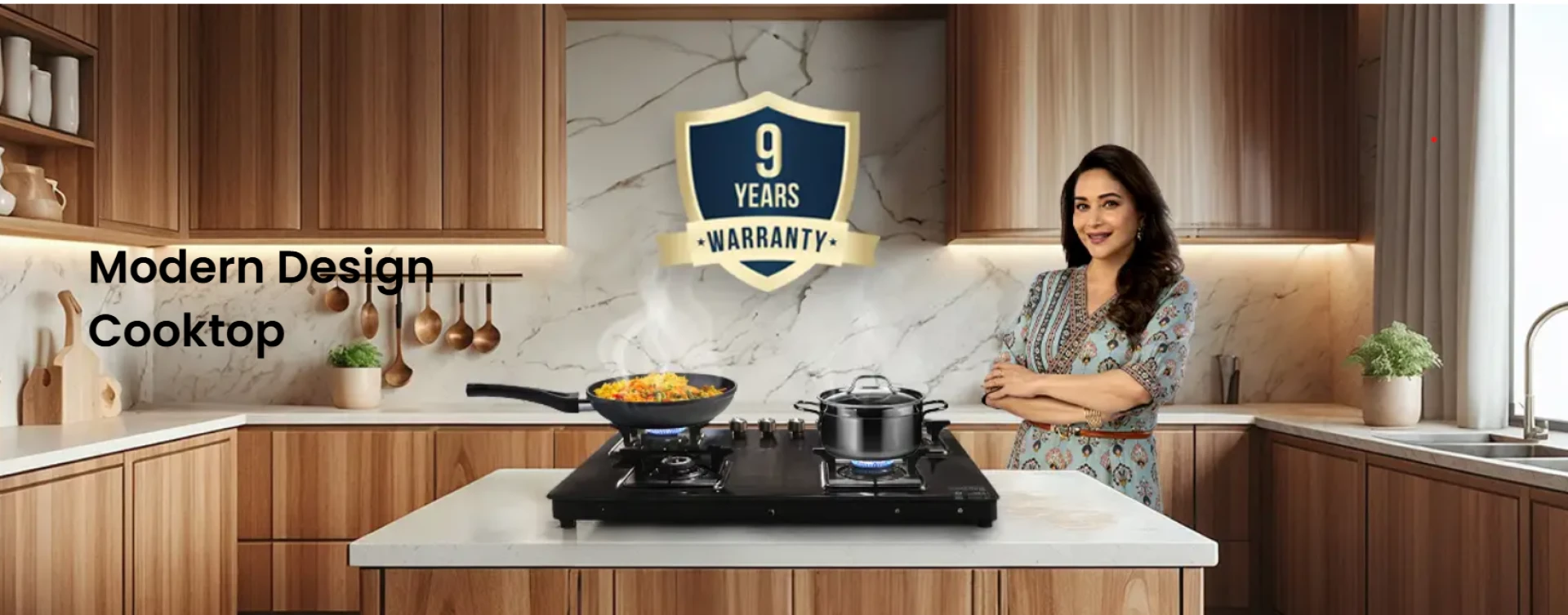

Indian cooking is known for its rich aromas, bold spices, deep frying, and high-heat techniques. From tadka to slow-simmering gravies, our kitchens demand appliances that can handle heavy-duty cooking every day. When designing or upgrading a kitchen, many homeowners face a key question: should they go with a chimney hob combination or stick with the traditional cooktop-and-chimney setup?
Understanding the differences between a modern kitchen hob system and a conventional arrangement can help you choose what works best for Indian cooking.
Understanding the Traditional Setup
The traditional kitchen arrangement usually includes a standalone gas stove placed on the countertop and a chimney installed separately above it. This setup has been common in Indian households for decades.
Advantages of Traditional Setup:
- Easy to install and replace
- Lower upfront investment
- Familiar design and operation
- Works well in both small and large kitchens
However, traditional cooktops can take up more counter space, and cleaning around them can sometimes be tedious. While effective, the alignment between the stove and chimney may not always look seamless in modular kitchens.
What Is a Chimney Hob Setup?
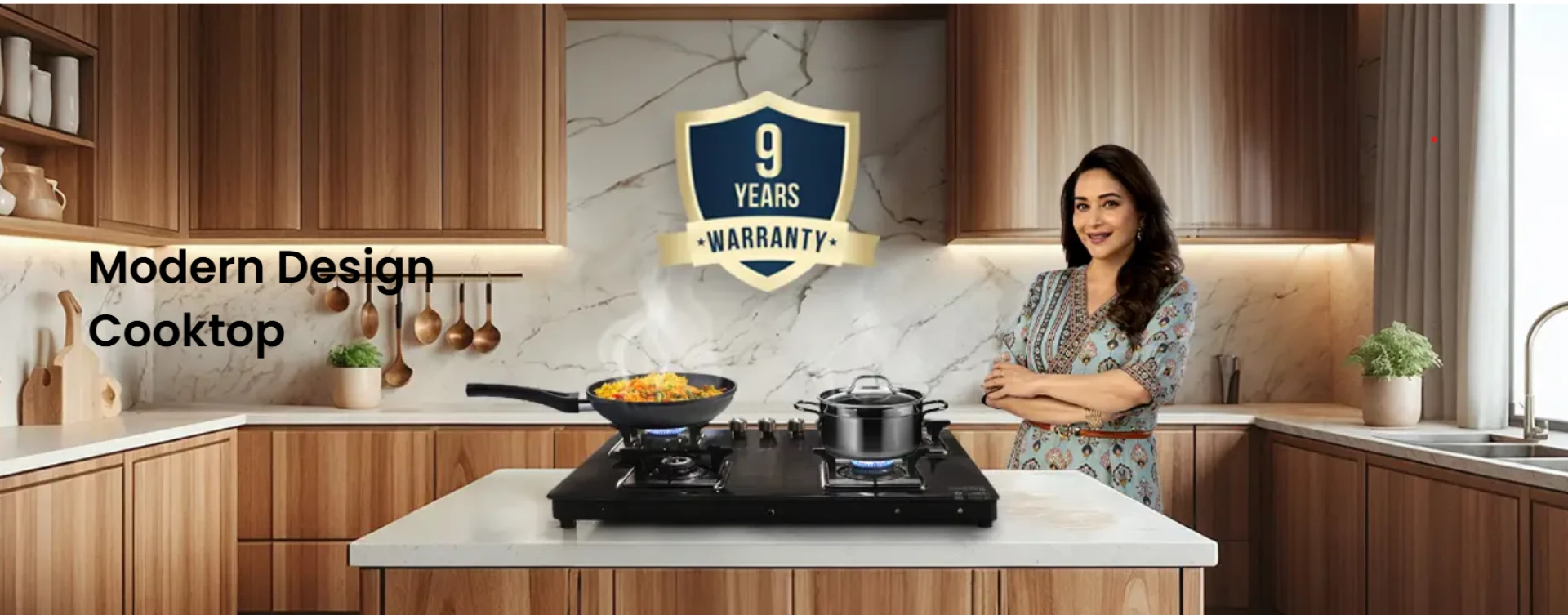
A chimney hob setup is an integrated arrangement in which a sleek hob is built into the kitchen platform and paired with a modern chimney positioned above it. The result is a streamlined and aesthetically appealing kitchen design.
Unlike traditional stoves, built in hobs are installed directly into the countertop, creating a flush finish. This design reduces clutter and makes cleaning easier, especially in contemporary modular kitchens.
Why Kitchen Hobs Are Gaining Popularity?
Indian kitchens are evolving rapidly, and so are cooking appliances. A kitchen hob offers several advantages that make it appealing for modern homes:
1. Space Optimisation
Since built in hobs are embedded into the countertop, they free up valuable space. This is especially useful in compact urban kitchens.
2. Modern Aesthetics
A chimney hob setup creates a clean and premium look. It enhances the overall visual appeal of modular kitchens.
3. Better Smoke Management
When paired correctly, a chimney hob ensures effective suction directly above the cooking surface, helping manage heavy smoke from frying, grilling, and tempering spices.
4. Easy Maintenance
The flat, sealed design of built in hobs prevents food spills from seeping inside cabinets, making cleaning simpler.
Which Works Better for Indian Cooking?
Indian cooking often involves:
- High flame cooking
- Deep frying
- Heavy tadka and seasoning
- Frequent use of multiple burners
Both traditional cooktops and a kitchen hob can handle these tasks efficiently. However, the decision depends on your priorities.
If you value practicality and easy replacement, the traditional setup works well. But if you want a sleek modular kitchen, improved hygiene, and enhanced smoke control, a chimney hob setup can be a smarter long-term investment.
Modern built in hobs are designed to support high flame output suitable for Indian cooking methods, ensuring that performance is not compromised for aesthetics.
Key Factors to Consider Before Choosing
Before deciding between a traditional cooktop and a chimney hob, consider:
- Kitchen size and layout
- Frequency of heavy cooking
- Budget
- Cleaning preferences
- Long-term design goals
For families that cook elaborate meals daily, strong suction power in the chimney becomes essential. In such cases, pairing a high-performance chimney with a well-designed kitchen hob can significantly improve indoor air quality.
Maintenance and Durability
Both setups require regular cleaning and servicing. However, built in hobs are often easier to wipe clean due to their smooth glass surface and sealed burners. Proper ventilation and routine maintenance ensure longevity regardless of the setup you choose.
When selecting a chimney hob, always look for features such as multi-speed control, durable construction, and energy-efficient lighting to enhance everyday convenience.
Final Thoughts
Choosing between a traditional setup and a chimney hob ultimately depends on your kitchen design preferences and cooking needs. While the traditional arrangement remains practical and reliable, modern built in hobs paired with high-performance chimneys provide a sophisticated solution for contemporary homes.
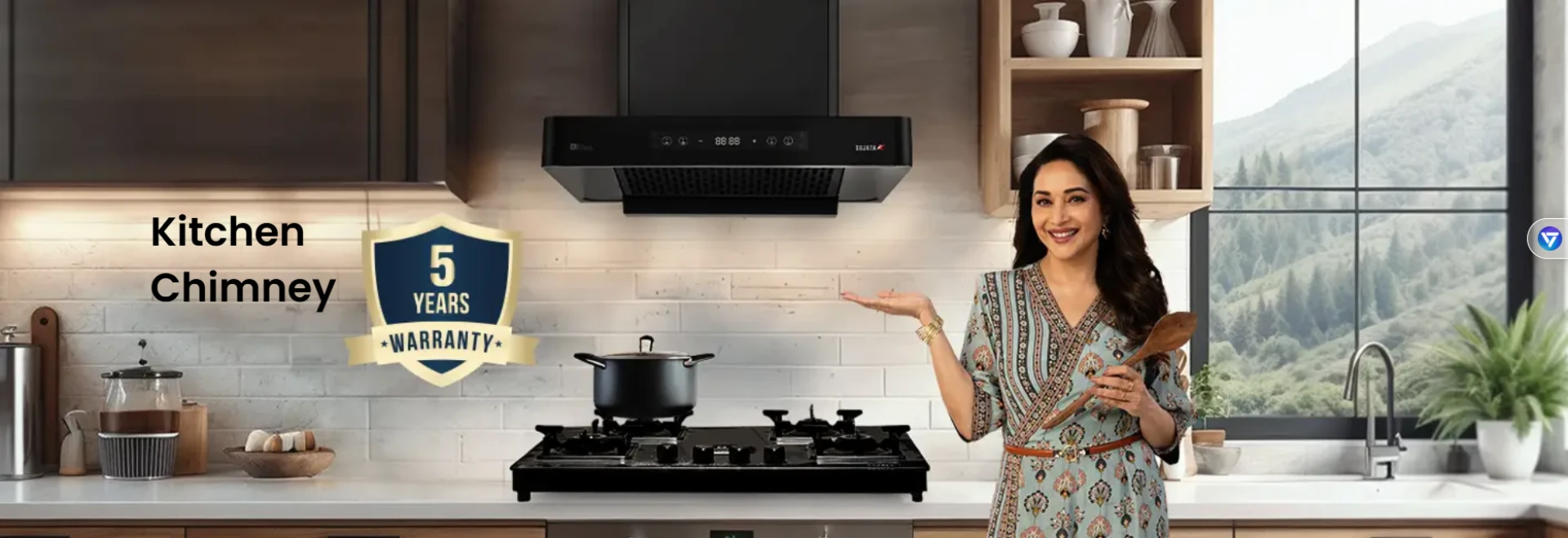
Brands like House of Sujata offer powerful suction and filterless auto-clean chimneys for your kitchen. Designed for superior performance with minimal effort, their chimneys feature a dry-heat auto-clean function, multi-speed control, touch control, energy-efficient LED downlights, low-noise operation, and a 5-year warranty. When paired thoughtfully with a modern kitchen hob, they create a cooking space that blends performance, style, and long-term reliability for Indian households.



























Sign in to leave a comment.