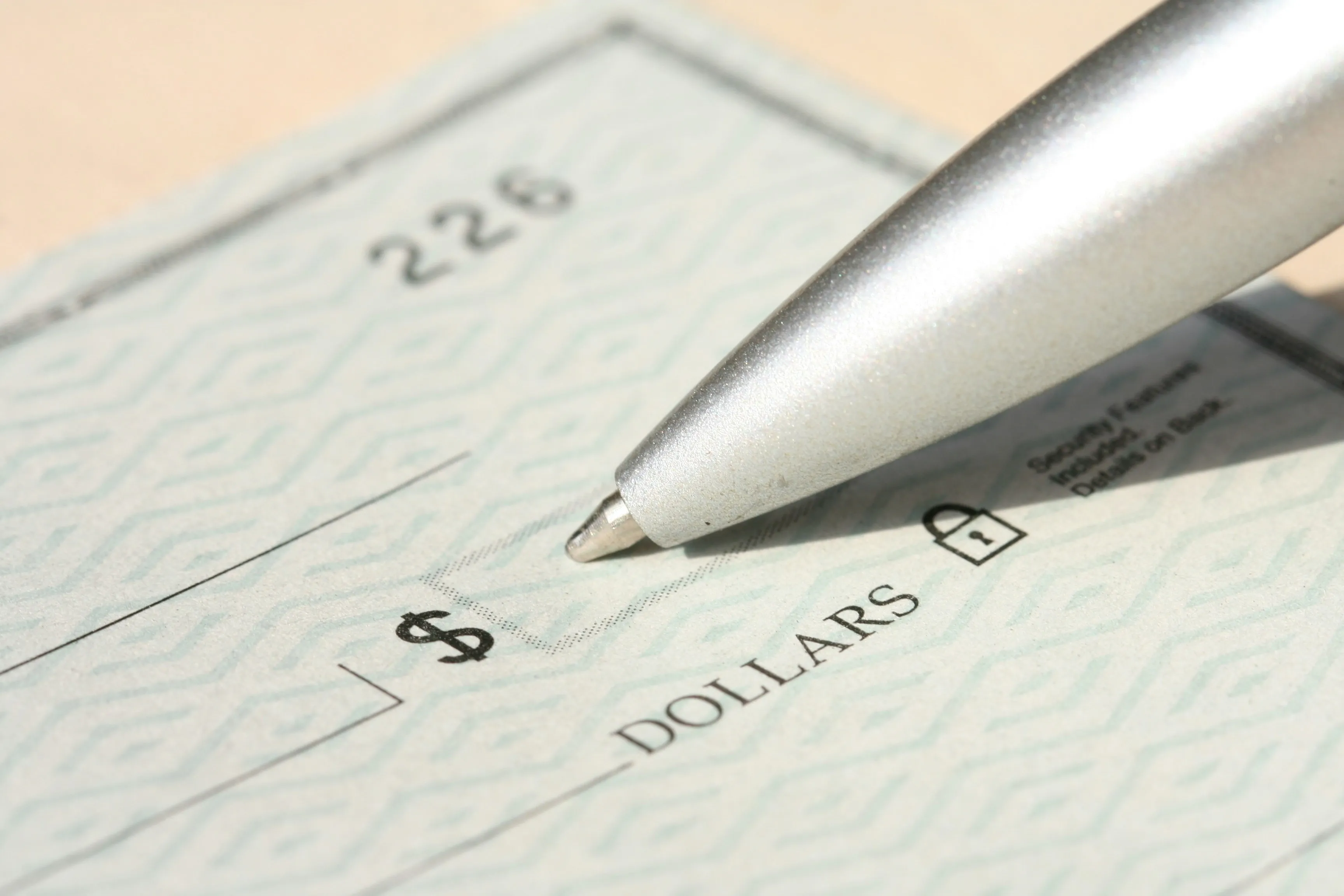

Choosing the right business cheque format can affect how efficiently your company handles payments, recordkeeping, and day-to-day administration. In Canada, many businesses still rely on cheques for vendor payments, payroll support, reimbursements, and other controlled transactions. The question is not whether cheques still have a place, but which type makes the most sense for your workflow.
For most businesses, the choice comes down to two common options: laser cheques and manual cheques. Each serves a different purpose. The right fit depends on your payment volume, internal processes, software setup, and how much flexibility your team needs.
What Are Laser Cheques and Manual Cheques?
Laser cheques are designed for use with office printers and accounting software. They are commonly used by businesses that generate payments digitally, print cheques in batches, and want a more streamlined payment process. Depending on the setup, businesses may use pre-printed cheque stock or blank stock that is completed through approved software and printer configurations.
Manual cheques, on the other hand, are handwritten. They are often bound in books and are used one cheque at a time. These are a practical option for smaller businesses, mobile operations, or teams that only issue cheques occasionally and do not need a software-driven system.
Both formats can serve legitimate business needs in Canada. The better option depends less on which one is “better” overall and more on which one supports your company’s real operating habits.
When Laser Cheques Make More Sense
Laser cheques are often the stronger fit for businesses that issue cheques regularly. If your team processes multiple payments each week or month, printing cheques through accounting software can help reduce repetitive manual work. It also allows payment details to be pulled from existing records rather than rewritten by hand.
This format can be especially useful for companies that already manage payables digitally. If your bookkeeping system stores supplier details, invoice records, and payment amounts, laser cheques can support a smoother workflow from approval to printing. That can be valuable for growing businesses trying to keep administration organized without adding extra steps.
Laser cheques may also support better consistency in appearance and documentation. Printed payee names, amounts, and reference details are usually easier to read than handwritten entries. For businesses with internal controls or audit requirements, that clarity can be helpful.
Companies in construction, professional services, wholesale, logistics, and other admin-heavy sectors often prefer laser cheques because they align better with higher transaction volume and structured accounting processes.
When Manual Cheques Are the Better Fit
Manual cheques still make sense for many Canadian businesses, especially those with low cheque volume or more flexible payment habits. If your company only writes a few cheques each month, a manual cheque book may be simpler than maintaining cheque-printing software and printer stock.
They can also be useful when payments need to be written outside the office or in settings where a printer is not readily available. For example, an owner-operator, property manager, or small service business may occasionally need to issue a cheque on-site or at short notice. In those situations, manual cheques offer convenience.
Another advantage is simplicity. Businesses that are not ready to adopt a software-based cheque process may find manual cheques easier to manage at first. There is less setup involved, and staff do not need to be trained on printing alignment, stock handling, or software integration.
Manual cheques are often a practical choice for sole proprietors, family-run businesses, small nonprofits, and organizations with limited administrative complexity.
Comparing Workflow, Speed, and Efficiency
The biggest difference between laser and manual cheques is how they fit into your workflow. Laser cheques are generally better suited to repeatable, organized payment processes. If your business pays several suppliers at once, prints cheque runs on a schedule, or wants accounting records tied closely to each payment, laser cheques can save time over the long term.
Manual cheques take more time per transaction because each payment must be written by hand. That may not be a problem for very low usage, but it becomes harder to manage as volume grows. Writing cheques manually also increases the chance of minor inconsistencies, such as spelling errors, unclear handwriting, or delays when preparing multiple payments at once.
That said, efficiency is not only about speed. A smaller company may find manual cheques more efficient simply because the process is straightforward and does not require extra systems. The most efficient option is the one that matches your actual payment habits without creating unnecessary complexity.
Software Compatibility and Administrative Control
One of the main reasons businesses choose laser cheques is compatibility with accounting software. If your company already uses a digital bookkeeping platform, cheque printing can become part of a broader payment and reconciliation system. This can help keep records aligned and reduce the need for duplicate entry.
For finance teams, this matters because payments are easier to trace when the cheque is generated directly from the accounting system. Vendor names, dates, invoice references, and amounts can stay connected to the original transaction history. That supports cleaner bookkeeping and easier month-end review.
Manual cheques offer less built-in integration. They can still be tracked properly, but that usually depends on disciplined manual entry after the cheque is written. For some businesses, that is manageable. For others, especially those scaling operations, it can create more room for administrative strain.
If your company values centralized financial records and standardized approval steps, laser cheques may be the more suitable direction.
Security and Accuracy Considerations
Whether a business uses laser or manual cheques, security should be part of the decision. No cheque format removes risk on its own. Good practices still matter, including secure storage, controlled access, careful reconciliation, and regular review of payment activity.
Laser cheques can support accuracy because payment information is pulled from digital records rather than written by hand. This may reduce some common mistakes, such as unclear writing, inconsistent formatting, or transposed numbers. Businesses that print cheques in-house should still use appropriate cheque stock and follow Canadian formatting requirements.
Manual cheques depend more heavily on staff attention at the time of writing. That does not make them unsuitable, but it does mean the process benefits from clear internal controls. Businesses using manual cheques should make sure blank cheque books are stored securely and that cheque issuance is documented consistently.
For either format, choosing a reputable Canadian cheque supplier matters. Quality, readability, and compliance with accepted cheque standards should all be part of the purchasing decision.
Cost Considerations for Canadian Businesses
Cost is often part of the conversation, but it should be viewed in context. Manual cheques may appear less expensive at first because they require fewer systems and no specialized printing workflow. For very small businesses with minimal cheque usage, that can be a reasonable choice.
Laser cheques may involve more setup, especially if the company needs compatible stock, printer alignment, and accounting integration. However, for businesses with higher cheque volume, the administrative time saved may help offset those added requirements.
The real cost question is not just the price per cheque. It is the total cost of handling payments, including staff time, process consistency, recordkeeping, and the likelihood of errors or rework. A format that looks cheaper upfront may not be the most practical choice if it slows down a busy finance process.
How to Choose the Right Option for Your Company
The best choice usually becomes clearer when you look at how your business actually operates. If your company prints payments regularly, uses accounting software, and wants a more structured process, laser cheques are often the stronger fit.
If your business writes cheques occasionally, values portability, or wants a simpler low-volume solution, manual cheques may be more appropriate.
It also helps to think about where your company is heading. A smaller business may start with manual cheques and later move to laser cheques as payment volume increases. What works well today may not be the same setup that works best a year from now.
Conclusion
When comparing laser and manual cheques, there is no one-size-fits-all answer for Canadian businesses. The right option depends on payment volume, internal workflow, software use, and the level of control your team needs.
Laser cheques are usually better suited to businesses that want a scalable, software-friendly payment process. Manual cheques remain a practical choice for lower-volume use and simpler day-to-day operations.
The most effective approach is to choose the format that supports your company’s current needs while leaving room for efficient, accurate payment management as your business evolves.























Sign in to leave a comment.