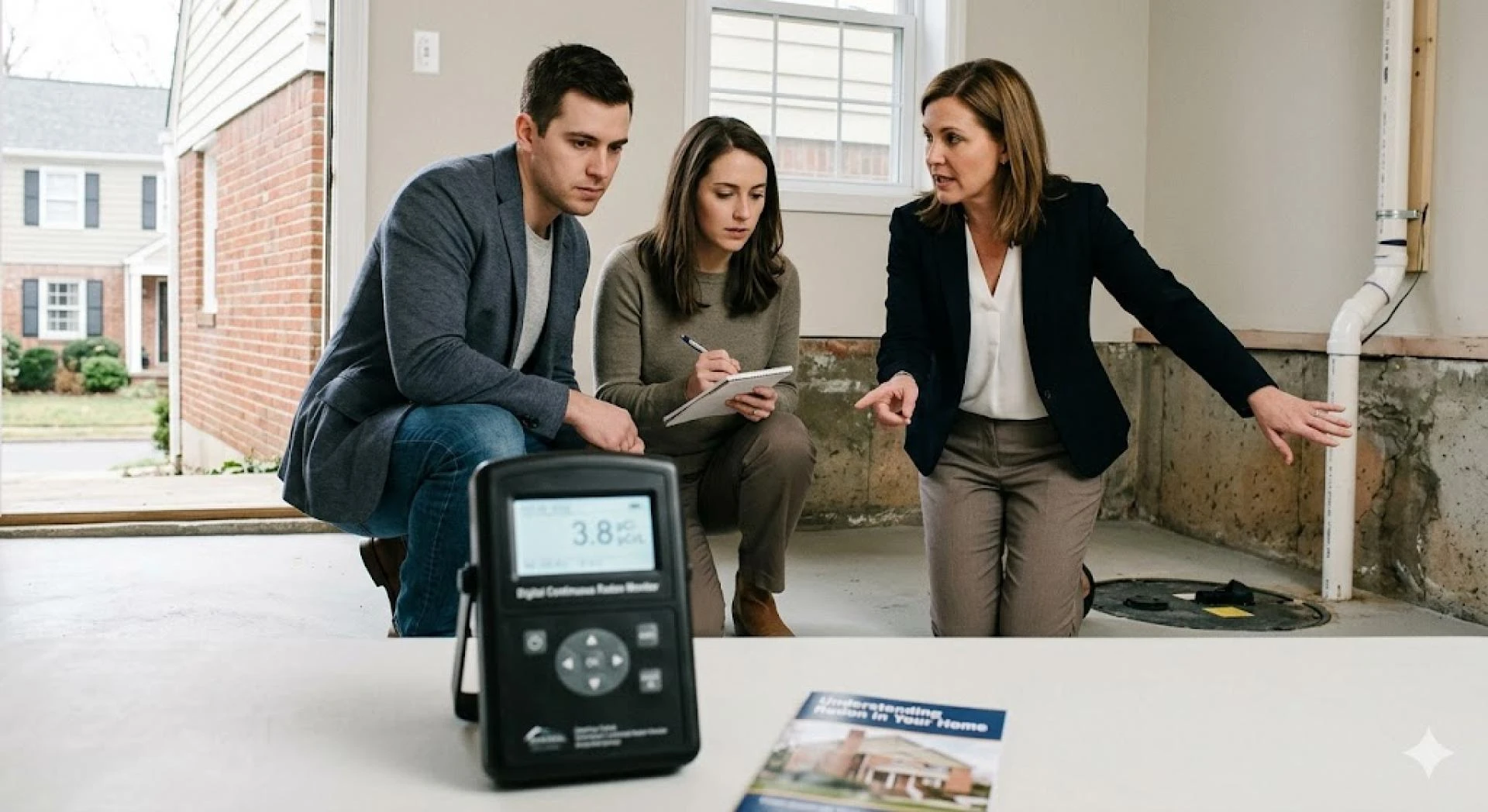

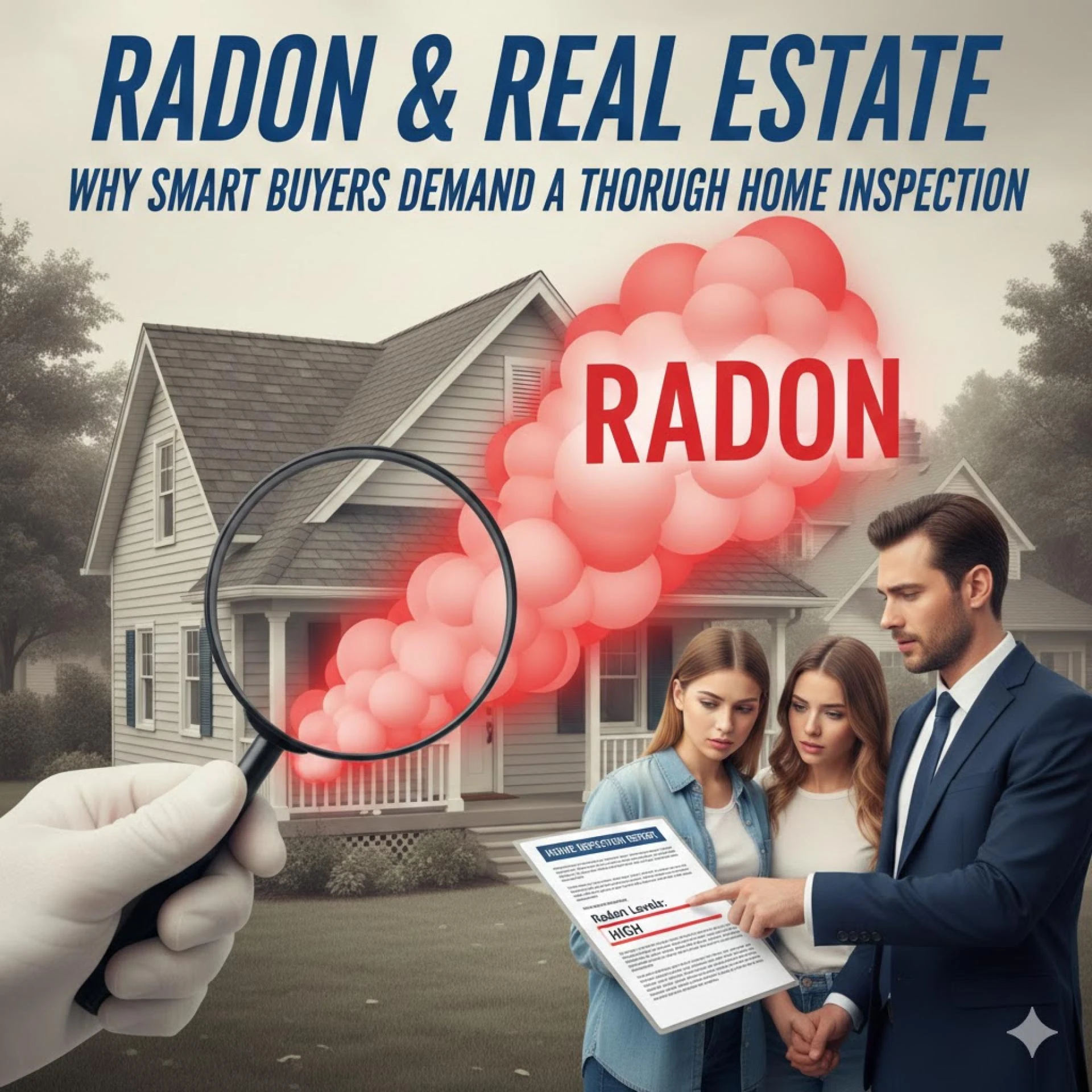
Buying a home is one of the biggest investments you’ll ever make. You carefully check the location, the price, the condition of the property—and maybe even the neighborhood vibe. But there’s one invisible factor that many homebuyers overlook: radon gas.
This naturally occurring radioactive gas can silently seep into homes, posing serious health risks without any obvious warning signs. If you’re planning to buy a home, understanding radon isn’t optional—it’s essential.
In this comprehensive guide, we’ll walk you through everything you need to know about radon before signing that purchase agreement, from what it is to how to test and fix it.
What Is Radon and Why Should You Care?
Radon is a colorless, odorless, and tasteless gas that forms naturally from the breakdown of uranium in soil, rock, and water. It can enter homes through cracks in foundations, gaps around pipes, and other structural openings.
The real concern? Radon is the second leading cause of lung cancer worldwide, right after smoking.
Even more alarming is that radon levels can vary significantly from one home to another—even if they’re right next to each other.
How Radon Enters a Home
Understanding how radon infiltrates a property can help you assess potential risks when buying a home.
Common Entry Points
- Cracks in concrete floors or walls
- Construction joints
- Gaps around service pipes
- Sump pumps
- Crawl spaces
- Well water systems
Homes with basements or those built on soil-rich land are particularly vulnerable. However, any home can have elevated radon levels, regardless of age or design.
Why Radon Testing Should Be Part of Every Home Inspection
A standard home inspection typically checks structural integrity, plumbing, and electrical systems—but it often does not include radon testing unless specifically requested.
Why This Matters
- Radon is invisible and undetectable without testing
- High levels can significantly impact your health
- It can affect property value and resale potential
Before finalizing your purchase, always insist on a professional radon test or conduct one yourself.
Types of Radon Tests Explained
There are two main categories of radon testing:
1. Short-Term Tests
- Duration: 2 to 7 days
- Quick and affordable
- Ideal for real estate transactions
2. Long-Term Tests
- Duration: 90 days or more
- Provide more accurate yearly averages
- Better for long-term homeowners
For buyers, a short-term test is usually sufficient during negotiations.
What Is a Safe Radon Level?
Radon levels are measured in picocuries per liter (pCi/L).
- 0–2 pCi/L: Low risk
- 2–4 pCi/L: Moderate risk (consider mitigation)
- 4 pCi/L and above: High risk (action required)
The recommended action level is 4 pCi/L, but many experts suggest reducing levels even further if possible.
How Radon Affects Your Health
Long-term exposure to radon gas can lead to serious health complications, particularly lung cancer.
Key Health Risks
- Increased cancer risk over time
- No immediate symptoms
- Greater danger for smokers
Radon particles, when inhaled, can damage lung tissue, leading to cancer after prolonged exposure. This makes it a silent but deadly threat in residential spaces.
What Happens If a Home Has High Radon Levels?
Finding high radon levels doesn’t mean you should walk away from the deal—but it does mean you need to act.
Your Options as a Buyer
- Request the seller to install a mitigation system
- Negotiate the price to cover repair costs
- Ask for a credit at closing
Most sellers are willing to address radon issues, especially since solutions are relatively straightforward and affordable.
Radon Mitigation: How It Works
Radon mitigation systems are designed to reduce radon levels inside a home, often by venting the gas outside before it can accumulate.
Common Mitigation Methods
- Sub-slab depressurization (most effective)
- Sealing foundation cracks
- Improving ventilation
- Installing radon sump systems
A typical mitigation system can reduce radon levels by up to 99%, making your home safe for occupancy.
How Much Does Radon Mitigation Cost?
The cost of installing a radon mitigation system varies depending on the home’s size and structure.
Average Costs
- $800 to $2,500 for most homes
- Maintenance costs are minimal
Compared to the health risks, this is a small price to pay for peace of mind.
Radon and Real Estate: Legal and Disclosure Issues
In many regions, sellers are required to disclose known radon levels or any mitigation systems installed.
What You Should Do
- Ask for previous radon test results
- Review disclosure documents carefully
- Include a radon contingency in your contract
Being proactive ensures you’re not caught off guard after moving in.
Can New Homes Have Radon Problems Too?
Yes—new construction homes are not immune to radon.
In fact, newer homes can sometimes have higher radon levels because they are more tightly sealed for energy efficiency, trapping gases inside.
Preventive Measures in New Builds
- Radon-resistant construction techniques
- Passive venting systems
- Pre-installed mitigation pipes
If you’re buying a newly built home, still insist on testing before closing.
DIY Radon Testing vs. Professional Testing
You can purchase DIY radon test kits online or from hardware stores, but there are pros and cons.
DIY Testing
- Affordable
- Easy to use
- May lack precision
Professional Testing
- More accurate
- Certified results
- Often required for real estate transactions
For homebuyers, professional testing is highly recommended.
How to Choose a Qualified Radon Professional
If you need testing or mitigation, choosing the right expert is crucial.
Look For
- Certification or licensing
- Positive reviews and references
- Experience with similar homes
- Clear pricing and warranties
Hiring a qualified professional ensures the job is done safely and effectively.
Tips for Buyers: Protect Yourself from Radon Risks
Here are some practical tips to keep in mind:
- Always test for radon before buying
- Don’t skip testing even if the home looks perfect
- Include radon clauses in your purchase agreement
- Follow up with mitigation if needed
- Retest after installing a mitigation system
Being informed puts you in control of your investment and your health.
The Hidden Impact of Radon on Property Value
Radon can influence how a home is perceived in the market.
Potential Effects
- Lower resale value if untreated
- Delayed sales
- Buyer hesitation
However, a home with a properly installed mitigation system can actually be more attractive to buyers because the issue has already been addressed.
Why Radon Awareness Is Growing Among Homebuyers
More buyers today are becoming aware of environmental hazards like radon. With increasing access to information and stricter regulations, radon testing is quickly becoming a standard part of the home-buying process.
This shift means sellers are also more prepared to address radon concerns, making it easier for buyers to negotiate and protect themselves.
Conclusion: Don’t Let Radon Be an Afterthought
Buying a home is exciting—but it’s also a decision that impacts your long-term health and financial well-being. Radon may be invisible, but its effects are very real.
By understanding what radon is, how it enters homes, and how to test and mitigate it—using resources like Radon Mitigation Spokane WA—you can make a smarter, safer investment. Whether you’re buying your first home or your fifth, never skip radon testing.
A simple test today could save you from serious problems tomorrow—and give you the confidence that your new home is truly a safe place to live.



















Sign in to leave a comment.