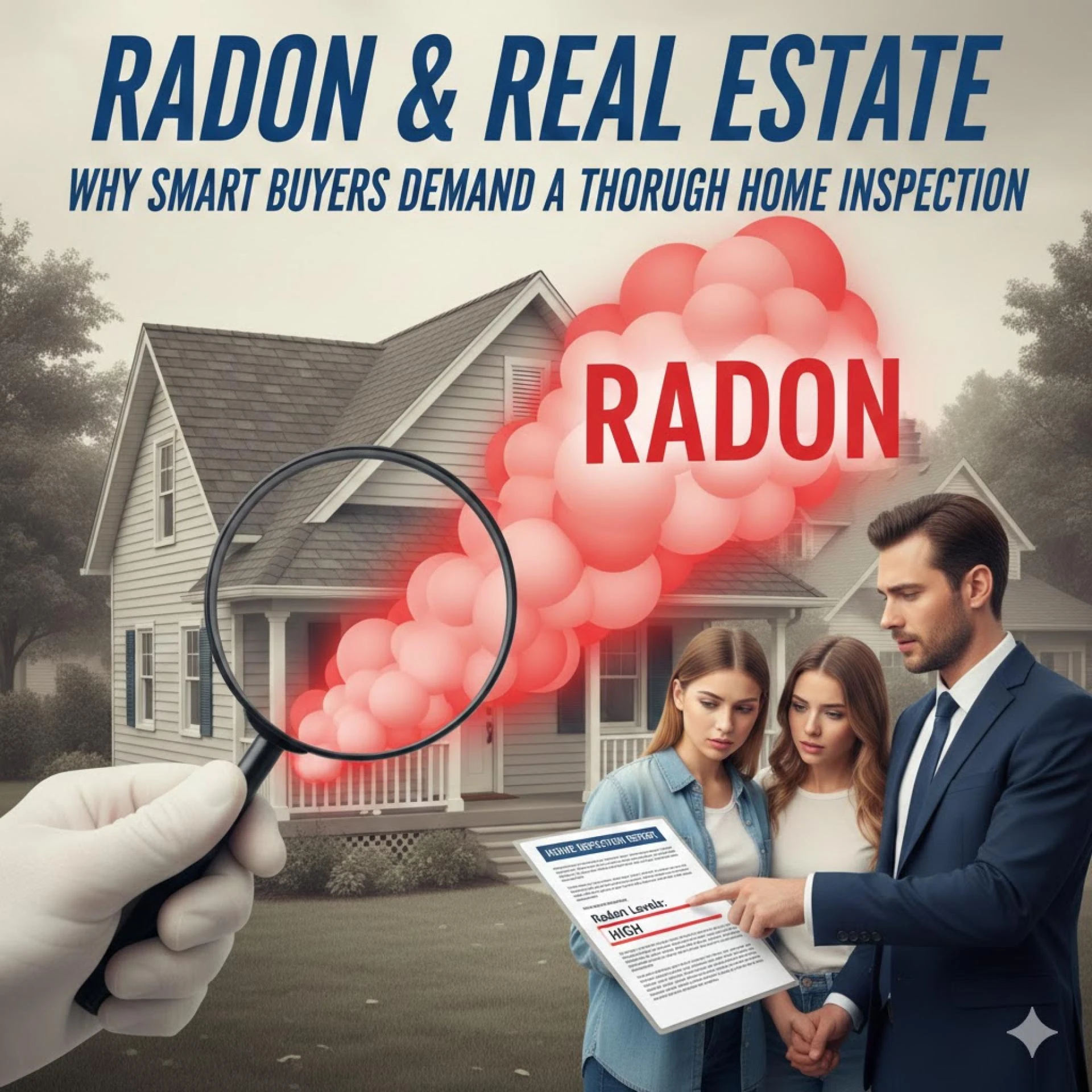

Buying a home is one of the biggest financial and emotional investments most people will ever make. From choosing the right neighborhood to negotiating the final price, every detail matters. Yet one critical issue is still frequently overlooked during real estate transactions: radon gas.
Invisible, odorless, and naturally occurring, radon has become one of the most serious indoor air quality threats in residential properties. Today, smart home buyers are demanding thorough radon testing as part of the home inspection process, and for good reason. Radon exposure is the second leading cause of lung cancer after smoking, and the risks can exist in brand-new and older homes alike.
In this in-depth guide, we’ll explore how radon impacts real estate decisions, why buyers are becoming more informed, and how a comprehensive home inspection can protect both health and investment.
What Is Radon Gas?
Radon is a radioactive gas produced from the natural breakdown of uranium in soil, rock, and water. As uranium decays underground, radon gas forms and can travel upward through the soil. When it reaches the surface, it may dissipate harmlessly outdoors—but when it enters a home, it can accumulate to dangerous levels.
Radon typically enters buildings through:
- Foundation cracks
- Gaps around pipes and utility lines
- Construction joints
- Sump pits
- Crawl spaces
- Porous concrete and block walls
Because radon is completely invisible and odorless, homeowners have no way of detecting it without proper testing.
Why Radon Is a Serious Health Concern
The health risks associated with radon exposure are well documented. When radon gas is inhaled, it breaks down into radioactive particles that become trapped in the lungs. Over time, these particles damage lung tissue and significantly increase the risk of cancer.
Key facts every buyer should know:
- Radon is the second leading cause of lung cancer in the United States.
- It is the leading cause of lung cancer among non-smokers.
- The EPA estimates that radon causes about 21,000 lung cancer deaths annually.
- Long-term exposure—even at moderate levels—can be dangerous.
There are no immediate symptoms of radon exposure, which makes testing the only reliable safeguard.
Radon and Real Estate: Why It Matters More Than Ever
In today’s competitive housing market, buyers are more educated and cautious than ever before. Radon has moved from a little-known issue to a major real estate consideration.
Here’s why radon matters so much during a property transaction:
- Buyers want assurance the home is safe
- Mortgage lenders and relocation companies often require testing
- High radon levels can affect resale value
- Disclosure laws are becoming stricter
- Radon mitigation systems are now common and affordable
A home with unresolved radon issues can raise red flags during negotiations or delay closing altogether.
Understanding Radon Levels and EPA Guidelines
Radon is measured in picocuries per liter of air (pCi/L). According to the U.S. Environmental Protection Agency:
- 4.0 pCi/L or higher: Action is strongly recommended
- 2.0–3.9 pCi/L: Consider mitigation
- Below 2.0 pCi/L: Risk still exists, but levels are considered low
There is no completely “safe” level of radon. Any exposure carries some degree of risk, which is why informed buyers prefer testing even when it’s not legally required.
Why Smart Buyers Demand Radon Testing
Modern buyers are no longer willing to rely on assumptions. Instead, they insist on facts—especially when health is involved.
Smart buyers demand radon testing because:
- Radon cannot be detected by sight or smell
- Geographic maps cannot predict individual home levels
- New construction is not immune to radon
- Testing is inexpensive compared to medical costs
- Mitigation is proven, effective, and affordable
Radon testing provides peace of mind and leverage during negotiations.
The Role of a Thorough Home Inspection
A professional home inspection is far more than a surface-level walkthrough. When radon testing is included, inspectors evaluate both structural and environmental risks.
A thorough inspection typically includes:
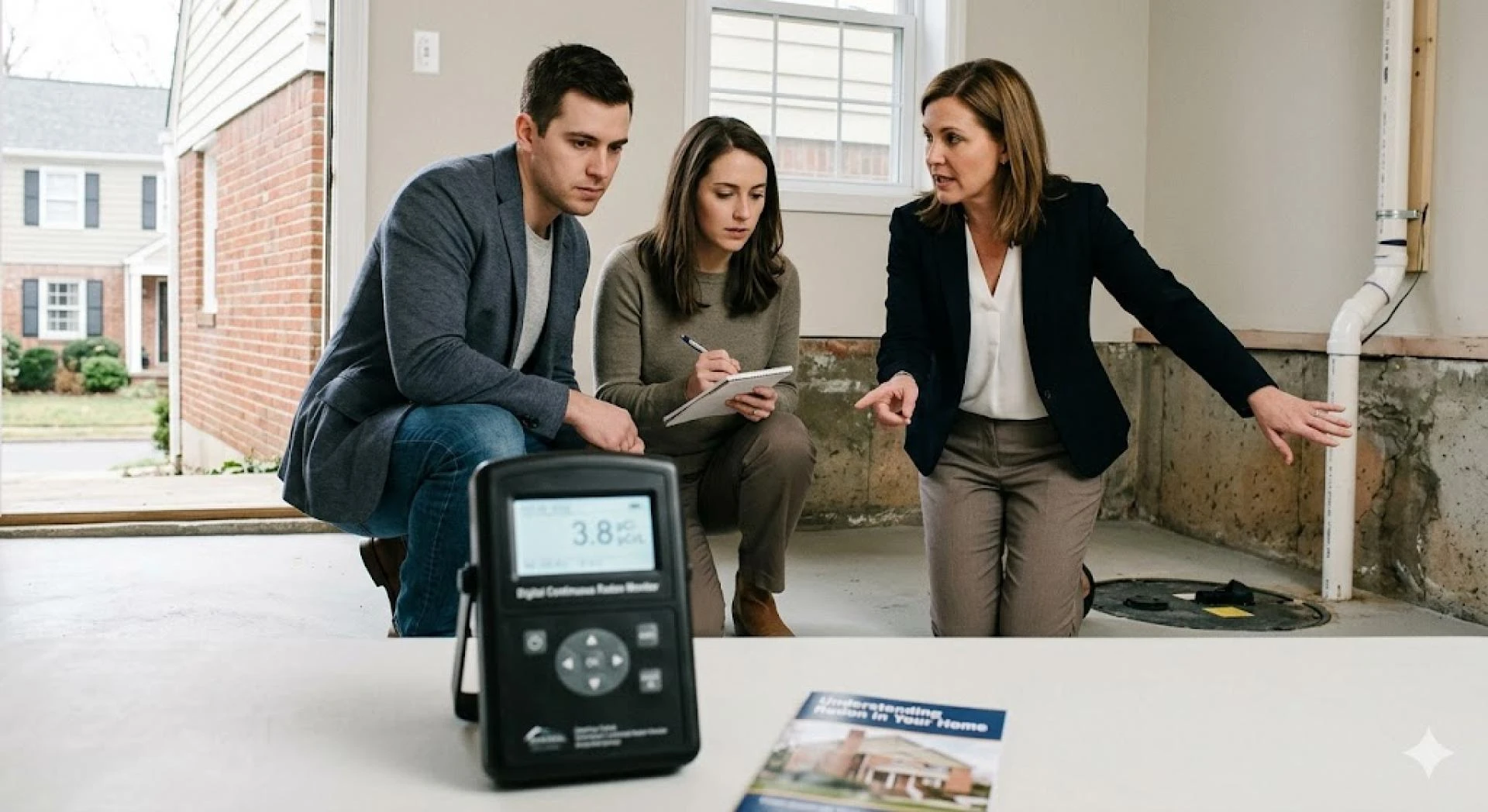
- Short-term or long-term radon testing
- Proper device placement
- Closed-house condition verification
- Lab-certified measurement equipment
- Detailed reporting
Many buyers now choose inspectors who specialize in environmental testing to ensure accuracy and compliance.
Short-Term vs. Long-Term Radon Tests
Understanding test types helps buyers make informed decisions.
Short-Term Radon Tests
- Duration: 48–96 hours
- Common during real estate transactions
- Provides fast results
- Must be conducted under closed-house conditions
Long-Term Radon Tests
- Duration: 90 days to one year
- Offers more accurate annual average
- Typically used by homeowners after purchase
For real estate deals, short-term tests are the industry standard, but long-term testing is encouraged afterward.
Can New Homes Have Radon Problems?
Yes—absolutely.
Many buyers mistakenly believe radon only affects older homes. In reality, newer homes often have higher radon levels due to:
- Tighter construction that traps gases
- Energy-efficient sealing
- Improved insulation
- Reduced natural ventilation
Even homes built with radon-resistant features can still require mitigation after testing.
Radon Disclosure Laws in Real Estate
Radon disclosure requirements vary by state, but many jurisdictions require sellers to:
- Disclose known radon test results
- Reveal installed mitigation systems
- Provide radon information pamphlets
Failure to disclose known radon issues can lead to legal disputes after closing. Buyers should always request documentation and confirm testing independently.
What Happens If High Radon Is Found?
Discovering elevated radon levels doesn’t mean a deal is dead. In fact, it often becomes a straightforward negotiation point.
Common solutions include:
- Seller installs mitigation before closing
- Buyer receives credit toward mitigation
- Price adjustment reflects system cost
Radon mitigation typically costs $800–$2,500, depending on foundation type and system design—small compared to the home’s overall value.
How Radon Mitigation Systems Work
Modern radon mitigation is highly effective, reducing radon levels by up to 99%.
The most common system is sub-slab depressurization, which includes:
- PVC vent piping
- Inline radon fan
- Sealed foundation penetrations
- Vent exhaust above the roofline
Once installed, systems operate continuously and require minimal maintenance.
Does a Radon System Affect Home Value?
Contrary to outdated beliefs, a radon mitigation system often increases buyer confidence.
Benefits include:
- Documented indoor air safety
- Easier resale
- Reduced inspection objections
- Demonstrated proactive maintenance
Many real estate professionals now view radon systems as a selling advantage rather than a liability.
Radon Myths That Still Confuse Home Buyers
Let’s clear up some common misconceptions:
Myth 1: Radon is only a problem in certain states
Truth: Radon has been found in every U.S. state.
Myth 2: Only basements are affected
Truth: Radon can accumulate on any level of a home.
Myth 3: Testing once is enough forever
Truth: Structural changes can alter radon levels.
Myth 4: Mitigation is expensive and complicated
Truth: Systems are affordable and usually installed in one day.
How Buyers Can Protect Themselves
To make a safe and informed purchase, buyers should:
- Always request radon testing
- Use certified inspectors
- Review past test records
- Understand EPA guidelines
- Budget for mitigation if needed
Knowledge gives buyers negotiating power—and peace of mind.
Why Radon Testing Benefits Sellers Too
While buyers often initiate radon testing, sellers benefit as well.
Advantages include:
- Faster closings
- Fewer surprise negotiations
- Increased buyer trust
- Reduced liability
Pre-listing radon tests allow sellers to control the process instead of reacting under pressure.
Radon’s Growing Role in Modern Home Buying
As awareness continues to grow, radon testing is quickly becoming as routine as roof inspections or termite checks.
Today’s buyers care deeply about:
- Indoor air quality
- Long-term health risks
- Environmental safety
- Transparency during transactions
Radon sits at the center of all four concerns.
Conclusion: Knowledge Is the Smart Buyer’s Greatest Asset
Radon may be invisible, but its impact on health, finances, and real estate decisions is undeniable. As education increases and testing becomes more accessible, smart buyers are no longer willing to take chances.
A thorough home inspection that includes radon testing—especially when performed by experienced professionals like those at https://www.radonmitigationspokane.com/—protects not only the investment but the people who will live inside the home. Whether levels are low or mitigation is required, knowledge empowers buyers to make confident, informed decisions.
In today’s market, the smartest buyers don’t just fall in love with a home—they make sure it’s safe to breathe in. Radon testing isn’t optional anymore. It’s essential.

























Sign in to leave a comment.