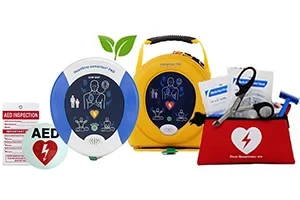

In today\'s healthcare landscape, Automated External Defibrillators (AEDs) have become an essential piece of equipment in public spaces, workplaces, and homes. These life-saving devices play a crucial role in responding to sudden cardiac emergencies, increasing the chances of survival for individuals experiencing sudden cardiac arrest. However, the cost of brand-new AEDs can be a significant hurdle for some individuals and organizations. This is where the option of purchasing a used AED defibrillator comes into play, offering a more affordable alternative.
If you\'re considering buying a used AED, it\'s essential to understand the potential benefits, risks, and considerations involved in this process. In this comprehensive guide, we\'ll explore the ins and outs of purchasing a pre-owned AED defibrillator, empowering you to make an informed decision that best suits your needs and budget.
The Benefits of Buying a Used AED Defibrillator
Cost Savings: One of the primary advantages of purchasing a used AED is the potential for significant cost savings. Compared to the price of a brand-new device, a well-maintained and refurbished used AED can offer substantial savings, making it a more accessible option for individuals, small businesses, or organizations with limited budgets.
Accessibility: Acquiring a used AED can provide an opportunity for those who may not have the financial resources to purchase a new device. This can help ensure that more locations and communities have access to this critical life-saving equipment, ultimately improving overall emergency preparedness.
Environmental Sustainability: Choosing a used AED instead of a brand-new one can contribute to environmental sustainability by reducing waste and the demand for new manufacturing. This aligns with the growing emphasis on eco-friendly practices and the circular economy.
Proven Performance: Many used AEDs have already been thoroughly tested and have demonstrated their reliability and effectiveness in real-world situations. This can provide a level of assurance and confidence in the device\'s functionality.
Considerations When Buying a Used AED Defibrillator
While purchasing a used AED can offer significant benefits, it\'s crucial to approach the process with due diligence and consider the following factors:
Provenance and Certification: Ensure that the used AED you\'re considering has a clear and verifiable history. Reputable sellers should be able to provide documentation about the device\'s origin, maintenance history, and any certifications or inspections it has undergone.
Condition and Functionality: Carefully inspect the used AED to assess its physical condition, battery life, and overall functionality. Look for any signs of damage, wear, or tampering, and ensure that all the essential components, such as electrode pads and cables, are in good working order.
Compatibility and Compatibility: Verify that the used AED is compatible with the specific requirements of your location or organization. This includes ensuring that the device meets any local regulations or guidelines and is compatible with the necessary power sources, accessories, and integration with your existing emergency response systems.
Warranty and Support: Inquire about the warranty coverage and after-sales support provided by the seller. A reputable seller should offer some form of warranty or guarantee, as well as access to technical support and replacement parts, should the need arise.
Replacement Parts and Consumables: Factor in the ongoing costs of replacing consumable items, such as electrode pads and batteries, which will be necessary for the continued operation of the used AED. Ensure that these replacement parts are readily available and reasonably priced.
Recertification and Maintenance: Understand the process and requirements for recertifying a used AED, as well as the ongoing maintenance and testing needed to ensure the device remains in optimal condition and ready for use in an emergency.
The Process of Purchasing a Used AED Defibrillator
When ready to purchase a used AED defibrillator, follow these steps to ensure a smooth and successful transaction:
Research and Identify Reputable Sellers: Utilize online marketplaces, AED-specific retailers, and manufacturer websites to search for used AEDs. Look for sellers with a proven track record, positive reviews, and a commitment to transparency.
Inspect the Device Thoroughly: Arrange to physically inspect the used AED, if possible, or request detailed photographs and documentation from the seller. This will allow you to assess the device\'s condition, functionality, and compliance with your requirements.
Verify Certifications and Warranties: Carefully review any certifications, inspections, or warranties provided by the seller. Ensure that the used AED meets all necessary safety and performance standards.
Negotiate Pricing and Terms: Once you\'re satisfied with the condition and documentation of the used AED, negotiate the purchase price and any additional terms, such as warranty coverage or replacement part availability.
Arrange for Delivery and Installation: Coordinate the logistics of receiving the used AED, including any necessary transportation or installation arrangements. Ensure that the device is properly installed and integrated into your emergency response plan.
Implement Maintenance and Testing Protocols: Establish a routine maintenance and testing schedule for the used AED to ensure its continued readiness and compliance with regulations. Keep detailed records of all maintenance and testing activities.
Conclusion
Purchasing a used AED defibrillator can be a cost-effective and sustainable solution for individuals and organizations seeking to enhance their emergency preparedness. By understanding the potential benefits, carefully evaluating the risks, and following a thorough purchasing process, you can acquire a reliable and well-maintained used AED that meets your needs and budget.
Remember, the accessibility of AEDs can be a matter of life and death in sudden cardiac emergencies. By exploring the option of a used AED, you can play a vital role in strengthening your community\'s emergency response capabilities and increasing the chances of positive outcomes in the face of a medical crisis.




























Sign in to leave a comment.