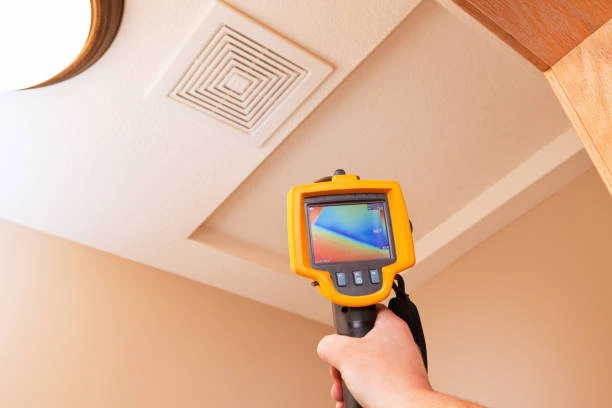
Coastal properties carry real risks that don't show on listing photos. Salt air, moisture, and ageing materials create problems that surface slowly, when they cost the most to fix.
Buying near the coast feels like a dream. The views, the air, the lifestyle. But older coastal properties carry a different kind of baggage, one that doesn't show up in estate agent photographs or during a twenty-minute viewing. What hides behind rendered walls and painted timber can surprise even experienced buyers.
What Salt Air Does Before You Even Move In
Survey Coverage That Actually Counts: A home survey in Portsmouth gives buyers a real picture of what decades of coastal exposure have quietly done to a building. Salt air doesn't announce itself. It works into mortar joints, gets behind painted render,and corrodes metal fixings holding things together inside cavity walls. By the time anything looks wrong from the outside, it's usually been happening for years. That gap between when damage starts and when it shows is exactly where buyers get caught out.
The Hidden Cost of Waiting: A house survey in Chichester picks up the defects coastal buyers miss completely on viewings, things like deteriorating render, failed window seals, and damp tracking in at wall junctions. Older properties near the sea rarely come problem-free, sure, but the gap between minor issues and serious structural ones matters to a potential buyer. Knowing which side of that line you're on before exchange is the point of consideration.
Where Older Coastal Homes Tend to Struggle
Roofing and Chimney Vulnerabilities: Wind exposure near the coast puts constant pressure on roofing materials. Ridge tiles shift, flashings lift, lead work around chimneys fails faster than on sheltered inland properties. These aren't cosmetic issues. Water getting in through a compromised roof causes timber decay that spreads well beyond the original entry point, into rafters, ceiling joists, sometimes further than anyone expects until the boards come up.
Wall Ties and Render Failures: Older coastal properties were built using methods that made sense at the time, though prolonged salt exposure is something those methods weren't really tested against. Cavity wall ties corrode and lose function. Render cracks and traps moisture against the wall rather than shedding it. Repointing done cheaply a decade ago may already be pulling away from joints. None of it looks dramatic on a viewing day in good weather.
What a Survey Catches That You Won't
Damp, Drainage and Ground Movement: Coastal land isn't always stable, and that's worth taking seriously. Some areas sit on ground that shifts with seasonal moisture, and older properties show the signs at foundations, door frames, and internal partitions. A damp reading in one room paired with a blocked gulley and a failed downpipe tells a much bigger story than either would alone. Surveyors read those patterns together rather than logging each one separately.
The Details That Shape Your Decision:
Rising damp at ground floor level, often worse in north-facing rooms that stay wet long after rain clears
Corroded metal lintels above window openings causing cracking in brickwork above, a slow process that looks minor until it very much isn't
Failed or missing vertical damp proof membranes at window reveals, letting moisture track straight into the wall structure over time
Flat roof sections over extensions, cause these age faster near the coast and rarely get inspected before a property goes to sale
Reading the Full Picture: A survey doesn't just list defects. It reads the property as a system, which changes what the findings actually mean. One issue in isolation looks manageable. Three issues pointing in the same direction tells you something different entirely about what the next few years of ownership could look like.
The Survey Makes the Negotiation Real
Turning Findings Into Leverage: Survey reports give buyers something concrete to work with at the negotiation stage. Repair costs for coastal defects are real numbers, not estimates pulled from thin air, and sellers tend to move on price when those costs are evidenced properly. Buyers who skip the survey carry that weight later, with fewer options and less time.
What Comes Next for Coastal Buyers
Older coastal properties aren't automatically problems. Some are well-maintained and genuinely solid. The only way to know the difference is a professional inspection before exchange. Book the survey early. Know what you're buying. It won't make the decision easier, but it will make it an informed one.























Sign in to leave a comment.