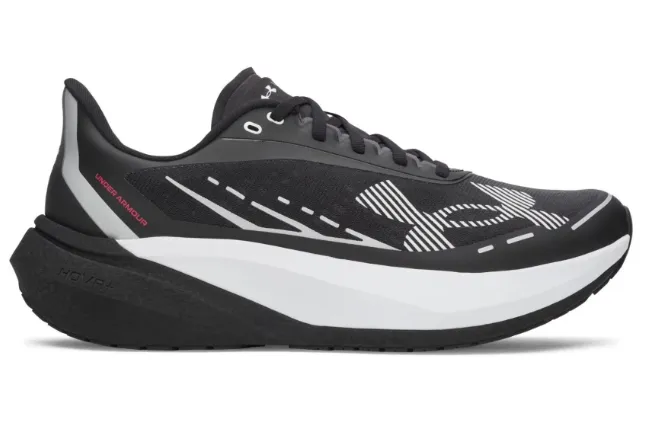

Deciding to start running is the easy bit. Standing in a shop twenty minutes later, surrounded by walls of footwear and words like "stability," "drop" and "energy return," is where the enthusiasm starts to wobble. The encouraging news for a brand-new runner is that most of that noise doesn't apply to you yet. Choosing your first running shoes is about a few key things.
Don't Buy For The Runner You Plan To Be
New runners are used to shopping for their imagined future selves. The marathon version. The 5 am-every-day version.
Buy for who you are right now instead. If you're starting with short, gentle runs and plenty of walking breaks, you want comfort and forgiveness underfoot, not a stripped-down racing shoe built for someone chasing a personal best. Cushioned options like Under Armour's HOVR range are well-suited for beginners because they are gentle on legs that are not yet accustomed to impact.
Comfort Is The Only Real Test
Here's the thing nobody tells beginners: there's no universal "best" shoe. Feet differ wildly, and what feels magical on your friend can feel awful on you.
So ignore the reviews for a second and pay attention to how the shoe actually feels. Good running shoes should feel comfortable the moment you put them on. No pinching, no pressure points, no "it'll loosen up."
Get The Size Right
Most new runners size their running shoes like everyday trainers, and that's a mistake. Feet swell during a run, sometimes noticeably.
Leave roughly a thumbnail's width in front of your longest toe. Shop in the evening when your feet are naturally larger, and wear proper athletic socks while trying them. A half-size up from your casual shoe size is common and completely normal.
One Pair Is Plenty To Start
You don't need trail shoes, race shoes, and recovery shoes on week one. That's a rabbit hole for later, if ever.
One versatile pair handles roads, treadmills, and the occasional park path perfectly well while you're building the habit. Save your money for when you actually know what you like.
Know When They're Finished
Cushioning quietly dies before the shoe looks worn out. Somewhere around a few hundred kilometers, the foam stops absorbing impact properly.
If your knees or shins start grumbling after easy runs, that's usually the signal, not a sign you're getting old. Fresh running shoes fix more aches than people realise.
Wrapping It Up
Keep it simple. Prioritize comfort, ensure the correct size, choose one solid pair, and replace them when the cushioning wears out.
If you're starting out, go through Under Armour, it offers a collection of beginner-friendly running shoes designed for real comfort over distance.


























Sign in to leave a comment.