Cable termination: Types, methods & choosing the right solution


A cable termination is not just about getting a tight fit on the cable end. You also need solid insulation, proper stress control, and protection from moisture. Miss any of that, and the connection becomes a weak point in the whole electrical system.
The right solution starts with a few key details: the cable's construction, voltage rating, number of cores and installation location.
What are the primary cable termination methods?
The main types include heat-shrink and cold-shrink terminations, each suited to different installation requirements. The right choice depends on the cable specifications, operating voltage and installation environment.
Cable termination processes depend on the cable type, voltage level, and the connection's actual needs. Heat-shrink termination is commonly used for medium-voltage cables. Cold-shrink options may also suit the cable specifications and installation requirements.
How does heat shrink tubing work?
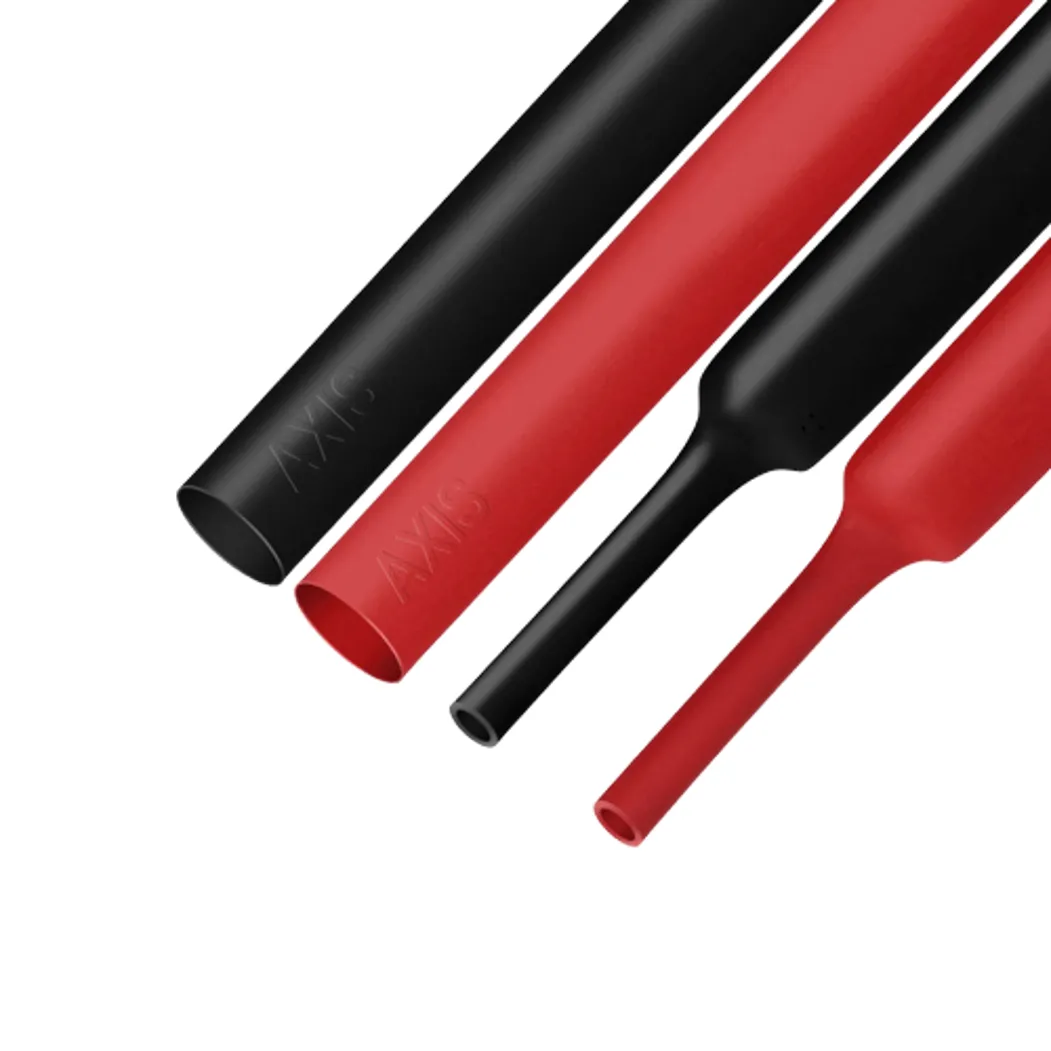
A heat shrink tube tightens around the cable when you apply heat. Once it’s on properly, it insulates the cable. Depending on the product, it can also seal out moisture and protect against the elements.
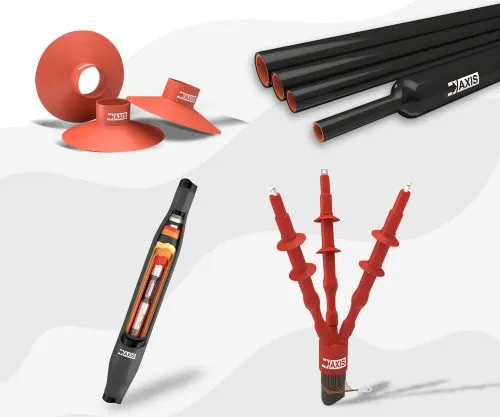
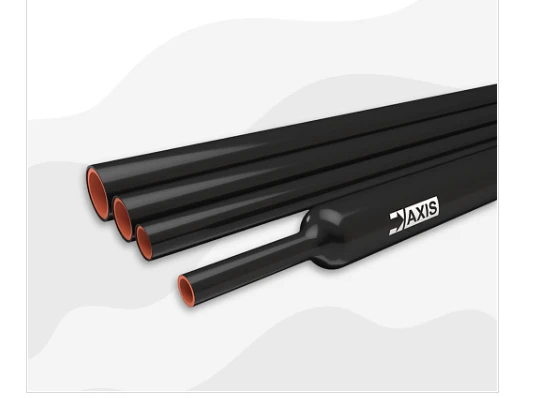
Heat shrink tubing is used in cable accessories for several jobs. Insulation tubes cover the prepared cable sections. Stress-control tubes manage the electric field around the cable screen ends. Sealing components protect the exposed areas.
Each part does a specific job. Using the right components is not optional.
When should you choose heat shrink termination kits?
Heat shrink termination kits include everything you need to prepare a cable end for connection to electrical equipment. Depending on the kit, that can include insulating tubes, stress-control tubing, sealing mastic, and lug connectors.
The right kit depends on your installation. Before you order, go through these points:
- Voltage rating: Match the termination kit to the cable system’s specified voltage.
- Core configuration: Single-core or three-core? Confirm this before ordering.
- Cable size: Check the conductor cross-section against the manufacturer’s product table.
- Installation location: Indoor and outdoor setups can need different components. Outdoor jobs may call for rain sheds in suitable applications.
- Cable construction: Make sure the kit works with the cable’s insulation, sheath, and armour where that applies.
Axis India offers heat-shrink termination products for medium-voltage applications up to 33 kV. Check the relevant termination kit specifications to confirm compatibility with your cable and installation requirements.
How does a straight-through joint kit differ?
A termination kit gets a cable end ready to connect to equipment. A joint connects two cable sections.
That difference matters when you’re doing straight-through joint kit selection. If a damaged section needs replacing, or two cable lengths need connecting, a jointing kit is the right solution.
A three-core straight-through joint kit includes components for insulation, electrical stress control, metallic shielding, and outer sealing. The kit must match the cable setup, voltage rating, and cross-section.
Don’t pick a jointing kit based on voltage rating alone. Read the full product specification.
What should you check before installation?
How you prepare the cable and place the components shapes the final result. Follow the manufacturer’s steps. Use the right tools. Check the kit contents before starting.
Axis India’s medium-voltage termination installation guide walks you through the full process and lists the tools you'll need. Qualified personnel should carry out the work, following the correct instructions and safety steps throughout.
Find the right cable accessory for your project
The wrong kit wastes time and creates avoidable connection problems. Pick the right product before work starts.
Contact Axis India today for product specifications and technical guidance. Browse the heat-shrink product range and find a solution that matches your cable and project needs.
FAQs
What is cable termination?
Cable termination connects a cable end to electrical equipment and provides the insulation, stress control and sealing required for the application.
What is a heat shrink tube used for?
A heat shrink tube contracts when heated to insulate or protect a cable or component, depending on the product design.
What is a straight-through joint kit?
It connects two compatible cable sections in a straight line and seals around the connection.
How do I select the correct cable termination kit?
Review the operating voltage, cable size, number of cores, cable insulation and installation environment. Always confirm that the kit matches the cable specifications and intended application.


Sign in to leave a comment.