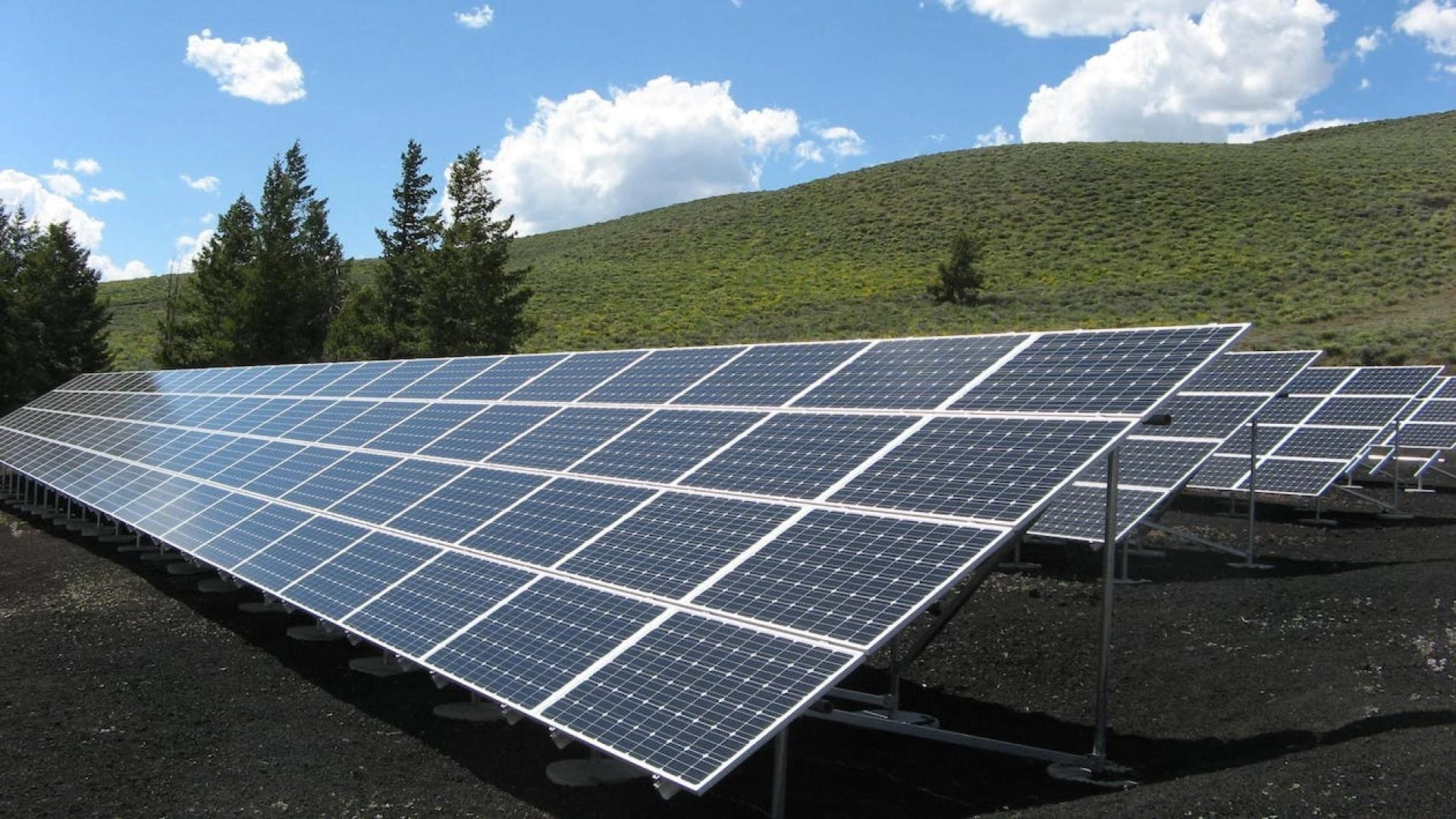

Embarking on a journey towards sustainable living is an admirable goal, and many homeowners are turning to solar energy as a viable option. One common question that arises is, "How many solar panels do I need to run a home?" The answer depends on various factors, and understanding them can help you make informed decisions for an eco-friendly and cost-effective energy solution.
The first step in determining the number of solar panels required is to assess your home's energy consumption. Examine your electricity bills to understand your average monthly and annual usage. This information serves as a baseline for estimating the solar capacity needed to meet your energy needs.
Next, consider the amount of sunlight your location receives. Solar panels generate power based on sunlight exposure, so regions with more sunlight generally require fewer panels. Factors such as shading from trees or nearby buildings should also be taken into account, as they can impact the efficiency of solar panels.
The efficiency of solar panels is another crucial factor. High-efficiency panels can generate more power in limited space, reducing the overall number of panels needed. However, they may come at a higher cost, so it's essential to strike a balance between efficiency and budget.
Technology advancements have led to the development of tools and calculators that can help you estimate the number of solar panels required. Online solar calculators take into account your location, roof orientation, tilt, and shading factors to provide a more accurate projection. Consulting with a solar professional can also offer personalized insights tailored to your specific circumstances.
Consider your energy goals when determining the appropriate number of solar panels. Are you aiming to cover a significant portion of your electricity needs or aiming for complete energy independence? Setting clear objectives will guide you in choosing the right system size for your home.
Financial considerations play a crucial role in the decision-making process. Government incentives, tax credits, and local rebates can significantly offset the upfront costs of installing solar panels. Factor in the return on investment over time to assess the long-term savings and benefits of your solar investment.
In conclusion, the question of how many solar panels you need to run a home involves a comprehensive analysis of your energy consumption, location, panel efficiency, goals, and financial considerations. By carefully evaluating these factors, you can make an informed decision that aligns with your sustainability objectives and budget, paving the way for a greener and more energy-efficient home.

























Sign in to leave a comment.