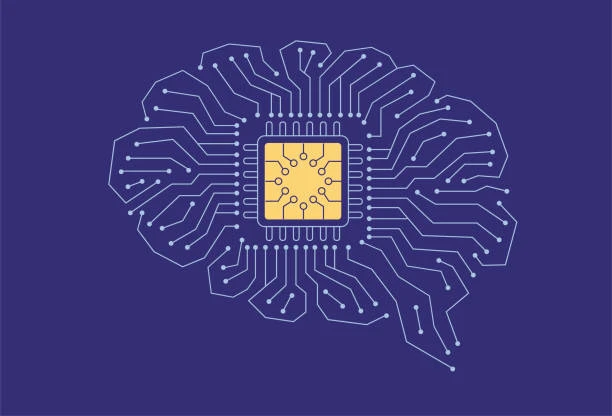

In the modern world, logos are more than just symbols; they are powerful psychological triggers. Custom logo design has evolved beyond simple aesthetics, becoming a critical tool in shaping consumer perceptions and behaviors. This phenomenon is not just about creative flair—it's about understanding the psychology of the human brain and how it reacts to visual stimuli. Enter the realm of neuro-marketing—an exciting and emerging field that blends neuroscience with marketing strategies, showing how logos can indeed "hack" your brain.
The Power of Logos in Branding
A logo is often the first point of interaction between a brand and a consumer. It encapsulates a company’s identity, values, and vision in a simple, memorable image. A well-designed logo can evoke emotional responses, influence consumer behavior, and even drive purchasing decisions. But how does this happen? The answer lies in the brain’s complex responses to visual stimuli.
The human brain is wired to process images and symbols much faster than text, which makes logos particularly potent tools in brand recognition. According to research, consumers can form an impression of a brand in just milliseconds based on its logo. These quick, subconscious judgments are shaped by the brain’s ability to recognize patterns and associations. A custom logo design can create a deep, lasting connection between the brand and its target audience—if done correctly.
Understanding Neuro-Marketing: The Science Behind the Design
Neuro-marketing is a field that uses neuroscience and psychological principles to analyze consumer behavior and enhance marketing strategies. By studying how the brain responds to various stimuli, businesses can tailor their marketing efforts to trigger the desired emotional and cognitive responses. The goal is to influence decisions in a way that aligns with a brand’s objectives, whether that’s increasing awareness, driving sales, or cultivating loyalty.
In the context of custom logo design, neuro-marketing principles can help designers create logos that elicit strong emotional reactions. These reactions are driven by several factors, including color, shape, symmetry, and even typography. Let’s break down some of the key ways in which logos can influence the brain:
1. Color Psychology in Custom Logo Design
Color plays a crucial role in logo design because it is deeply tied to emotions and perceptions. For instance, the color red can evoke feelings of urgency or excitement, making it a popular choice for fast-food chains and clearance sales. On the other hand, blue is often associated with trust and dependability, which is why financial institutions and tech companies tend to favor it.
The way the brain processes color is based on evolutionary instincts and learned associations. The right color palette can trigger specific emotional responses, making consumers more likely to engage with a brand. For example, custom logo design for healthcare companies often incorporates green and blue tones to invoke a sense of calm and trust.
2. Shape and Form: How the Brain Reacts to Different Geometries
The shapes used in logos also have a significant psychological impact. The brain is naturally attracted to symmetry, as it is perceived as more stable and harmonious. This is why many successful logos, like the Apple logo or the Twitter bird, feature smooth, symmetrical designs. These shapes not only create a pleasing visual experience but also promote feelings of security and reliability.
Conversely, logos that feature sharp angles and irregular shapes can invoke a sense of excitement or edginess, which may be appropriate for brands in industries like tech or entertainment. The psychological effect of these shapes is rooted in how the brain processes visual information, creating unconscious associations based on the visual cues provided by the logo.
3. Typography and Its Impact on Perception
Typography, particularly the choice of fonts, is another element of custom logo design that can influence consumer perception. For example, serif fonts like Times New Roman are often associated with tradition, professionalism, and reliability, while sans-serif fonts like Helvetica are seen as modern, sleek, and approachable. The brain’s reaction to these fonts is based on cultural conditioning and the context in which the font is used.
In neuro-marketing, font choices are strategically aligned with the brand’s desired message and target audience. A software development company might use clean, minimalist fonts to project innovation and professionalism, while a children’s brand might opt for playful, rounded fonts to convey fun and approachability.
The Role of Memory in Logo Recognition
One of the key aspects of neuro-marketing is understanding how the brain stores and recalls information. Logos are designed to be memorable, but how does the brain recognize and retain them? When consumers are exposed to a logo repeatedly, their brains form associations that strengthen over time. This is why custom logo design is not just about creating something visually appealing; it’s about creating something that will be remembered and associated with positive experiences.
The human brain has a remarkable ability to recognize patterns, and logos are essentially patterns that carry meaning. When a consumer sees a logo, their brain immediately recalls everything they know about the brand behind it—whether it’s a positive experience, a message they agree with, or a feeling they associate with the company’s products. By leveraging neuro-marketing techniques, companies can design logos that make a lasting impact in the minds of their audience.
Can Logos Influence Buying Behavior?
Now, let’s address the ultimate question: Can a logo influence consumer buying behavior? The answer is a resounding yes. Neuro-marketing studies have shown that consumers are more likely to purchase from brands with logos they recognize and trust. A study conducted by Nielsen found that 59% of consumers would rather buy from a brand they trust, even if the product is priced higher. Trust is a crucial component in decision-making, and custom logo design plays a pivotal role in establishing that trust.
For example, think about the swoosh of Nike. The logo is not just a design; it represents achievement, athleticism, and a drive for success. These associations, created through years of strategic branding, have made the Nike logo a symbol of inspiration for millions of consumers worldwide. Every time a person sees the Nike logo, their brain recalls these associations, creating an emotional trigger that often leads to a purchase.
How Custom Logo Design Boosts Brand Loyalty
Brand loyalty is a powerful force in the marketplace, and logos are central to fostering it. A well-designed logo can create a deep, emotional connection between a brand and its customers. This connection is what drives repeat business and long-term customer relationships. By tapping into the subconscious mind of consumers, a software development company or any other business can cultivate loyalty through its logo design.
When consumers feel an emotional attachment to a logo, they are more likely to recommend the brand to others, share their positive experiences, and continue buying from that brand. This is the ultimate goal of custom logo design—to create a visual identity that resonates deeply with the audience and encourages them to stay loyal to the brand over time.
Neuro-Marketing and the Future of Custom Logo Design
As technology continues to evolve, so too will the strategies used in custom logo design. With the rise of AI, machine learning, and neuro-marketing tools, designers now have access to data that can help them create logos that are not only visually appealing but also scientifically optimized to elicit specific emotional responses. In the future, logos may become even more personalized, with AI-driven systems adapting designs in real-time based on consumer behavior and preferences.
For software development companies, this presents an exciting opportunity to integrate advanced neuro-marketing techniques into their branding efforts. The ability to analyze how different demographics respond to various design elements could lead to highly targeted, effective logo designs that resonate with specific audience segments.
Conclusion
In conclusion, custom logo design is not just about creating an attractive visual for your brand—it’s about tapping into the power of the human brain to influence consumer perceptions, decisions, and behaviors. Neuro-marketing provides valuable insights into how logos can be designed to trigger specific emotional responses, build brand recognition, and foster loyalty. Whether you’re a software development company or any other business looking to elevate your brand, understanding the neuroscience behind logo design is essential for creating a logo that truly resonates with your audience. The future of branding is not just in the visuals—it’s in the psychology behind them.
By integrating these insights into your custom logo design strategy, you can ensure that your brand stands out in the crowded marketplace and builds lasting connections with consumers.





























Sign in to leave a comment.