
We'll talk about stroke support groups, brain injury support for veterans, whether stroke support groups can help families deal with their losses, and other relevant subjects in this guest post.
For both the person who has had the stroke and their family, it may be a life-altering experience. The sudden shift in responsibilities, emotions, and routines can be overwhelming. Fortunately, a stroke support group can offer comfort, guidance, and resources that help families cope with recovery challenges.
Understanding Stroke Support Groups
Stroke survivors and their families get together in a Stroke Support Group to exchange stories, give guidance, and support one another. These groups create a safe space for families to discuss their struggles and successes openly.
- Open to stroke survivors, caregivers, and family members
- Facilitated by experienced volunteers or professionals
- Offer educational resources and emotional support
Emotional Impact on Families
Following a loved one's stroke, families frequently go through a wide variety of emotions. These feelings can include sadness, frustration, fear, and even guilt. It’s normal to feel overwhelmed when adjusting to new responsibilities, which may involve caregiving, financial challenges, or navigating complex medical systems.
- Feelings of isolation or helplessness
- Stress from managing medical needs
- Difficulty balancing work and family life
How Stroke Support Groups Help Families Cope
A stroke support group helps families by providing emotional reassurance and practical advice. Talking about experiences with people who are going through similar things might help people feel less alone and give them hope.
- Access to shared coping strategies
- Opportunities to learn from others’ experiences
- Emotional validation and encouragement
Learning from Shared Experiences
Families can learn how others have navigated the stroke recovery journey in support group settings. They gain valuable insights into managing day-to-day tasks, advocating for loved ones, and maintaining balance in their lives.
- Tips for managing medication schedules
- Techniques for supporting rehabilitation exercises
- Advice on navigating healthcare systems
Reducing Stress and Burnout
Taking care of someone who has had a stroke may be emotionally and physically exhausting. Support groups provide caregivers with tools and encouragement to prevent burnout. Learning stress management techniques and sharing burdens can lighten the load.
- Breathing and relaxation techniques
- Time management tips for caregivers
- Emotional support from peers
Encouraging Open Communication
Support groups encourage honest conversations between caregivers, stroke survivors, and family members. Families often find common ground and emotional relief when they share their concerns and fears.
- Improved communication within families
- Better understanding of the survivor’s perspective
- Shared problem-solving for household challenges
Fostering a Sense of Community
A stroke support group creates a community where members can connect with others who understand their journey. In addition to offering a network of friends and allies, this sense of belonging helps lessen feelings of loneliness.
- In-person and online options are available
- Regular meetings offer a routine and support
- Social activities to foster connections
Access to Educational Resources
Support groups often provide families with educational materials on stroke recovery, brain health, and caregiving. Families can feel empowered in their caring duties and make well-informed decisions with the aid of these tools.
- Handouts and brochures on stroke management
- Workshops and guest speakers on caregiving skills
- Information about local services and financial resources
Including Children and Young Family Members
Children and young family members may feel left out or confused about a loved one’s stroke. Support groups help families involve younger members in coping by providing age-appropriate resources and guidance.
- Explaining stroke recovery to children
- Encouraging open conversations
- Providing support for young caregivers
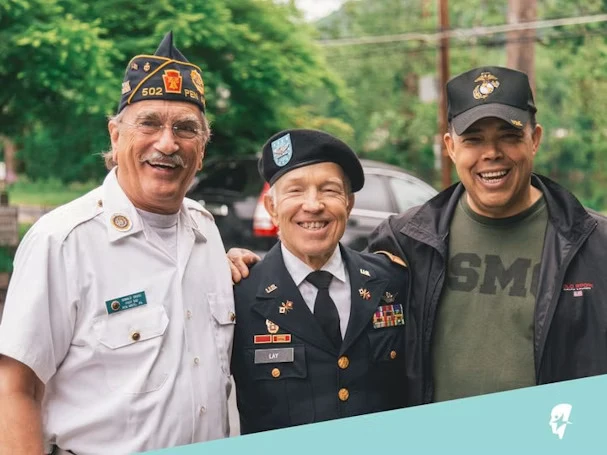
Addressing Brain Injury Support for Veterans
Many stroke survivors are veterans, and they may also be coping with brain injuries. Brain Injury Support For Veterans offers tailored resources and an understanding of military-related challenges.
- Specialized support for veterans’ needs
- Connection with others who share military experiences
- Access to veterans’ services and benefits
Supporting Long-Term Recovery
Stroke recovery is a long-term process that often involves physical therapy, occupational therapy, and lifestyle changes. Support groups help families maintain motivation and stay engaged in the recovery journey.
- Setting realistic recovery goals
- Celebrating small victories
- Staying committed to rehabilitation efforts
Breaking the Stigma of Seeking Help
Some families hesitate to seek help, fearing judgment or stigma. By providing a secure, accepting environment where families may freely share their challenges and victories, support groups help to dissolve these barriers.
- Normalizing the challenges of stroke recovery
- Encouraging vulnerability and openness
- Providing a supportive and understanding environment
How to Find a Stroke Support Group
Finding the right support group is an important step. Many communities offer local in-person groups, while online options provide flexibility for busy families.
- Check with hospitals, clinics, or rehabilitation centers
- Explore community centers or places of worship
- Look for virtual support groups for convenience
Tips for Making the Most of a Support Group
To fully benefit from a stroke support group, families can:
- Attend meetings regularly
- Be open to sharing and listening
- Take notes on helpful tips and resources
- Follow up on suggested tools and services
Encouraging Self-Care for Caregivers
Support groups remind caregivers that self-care is essential. Taking time to care for one's own well-being helps them better support their loved one.
- Prioritize rest and sleep
- Engage in regular exercise or hobbies
- Seek counseling or therapy if needed
Celebrating Progress, Big and Small
Support groups emphasize celebrating progress, whether a small step in recovery or a significant milestone. This positivity encourages both survivors and families to stay motivated.
- Recognize small achievements
- Share success stories with the group
- Focus on abilities rather than limitations
Support Groups as a Lifeline
For many families, a stroke support group becomes more than just a meeting—it’s a lifeline that offers hope, friendship, and guidance. It transforms the overwhelming experience of stroke recovery into a shared journey.
- Builds lasting friendships and support networks
- Offers comfort during tough times
- Reinforces the belief that no one is alone
Conclusion: Yes, Support Groups Help Families Cope
A stroke support group can be a powerful source of strength for families. It provides a platform for learning, emotional support, and shared experiences. Whether you’re navigating the challenges of stroke recovery or supporting a veteran with a brain injury, a support group can make the journey feel a little less overwhelming—and a lot more hopeful.



























Sign in to leave a comment.