
You've finally managed to get rid of that stubborn pimple, but just when you think your skin is clearing up, you're left with a brown, red, or purple mark that seems to stay for weeks - or even months.
Sound familiar?
For many people, acne isn't the biggest frustration. It's what comes after it. Those lingering acne marks, uneven skin tone, and post-acne pigmentation often feel harder to deal with than the breakout itself.
The good news? Not every pimple has to leave a mark behind.
While factors like your skin type and genetics play a role, the way you treat your skin during and after a breakout has a significant impact on acne healing and acne recovery.
In this article, we'll explore why some pimples disappear without a trace while others leave lasting marks, the habits that influence the healing process, and how choosing the right Acne Serum for Pimples and Breakouts can support clearer, healthier-looking skin.
Why Do Pimples Leave Dark Spots?
Many people mistake acne marks for acne scars, but they're not the same.
When a pimple causes inflammation, your skin naturally begins repairing itself. During this process, it may produce excess melanin (the pigment responsible for your skin colour). This excess pigment remains even after the acne has healed, resulting in what is known as post-inflammatory hyperpigmentation (PIH) or post-acne pigmentation.
Unlike acne scars, which involve permanent changes to the skin's texture, pigmentation is temporary and can gradually fade with proper skincare.
However, some breakouts heal cleanly, while others leave noticeable marks. So, what makes the difference?
What Determines Whether Acne Leaves Dark Spots?
1. The Severity of Inflammation
Not all pimples are equal.
Small whiteheads and blackheads usually involve minimal inflammation and often heal without leaving noticeable marks.
Inflamed papules, pustules, cystic acne, or nodules cause greater damage beneath the skin. The more inflammation present, the higher the chance of developing acne marks and post-acne pigmentation.
Reducing inflammation early plays a major role in improving acne recovery.
2. Picking and Squeezing Pimples
This is perhaps the biggest mistake people make.
It can be tempting to pop a pimple, but doing so increases trauma to the skin.
When you squeeze acne:
- The inflammation worsens.
- Bacteria can spread deeper into the skin.
- The healing process takes longer.
- The risk of pigmentation and scarring increases significantly.
One minute of picking can leave behind marks that take months to fade.
3. Your Skin Tone
People with medium to deeper skin tones naturally produce more melanin.
While this provides certain natural advantages against UV damage, it also means the skin is more likely to develop post-acne pigmentation after inflammation.
This doesn't mean pigmentation is unavoidable, it simply means prevention becomes even more important.
4. Sun Exposure During Healing
Many people don't realise that UV exposure can make acne marks darker.
When healing skin is exposed to sunlight, melanin production increases, making pigmentation more noticeable and slowing down recovery.
This is why sunscreen should always be part of your acne routine, even if you're staying indoors most of the day.
5. Your Daily Skincare Routine
The products you choose can either support healthy skin recovery or prolong irritation.
Over-exfoliating, using harsh scrubs, or applying multiple strong actives together can weaken the skin barrier, making acne recovery slower and increasing the chances of pigmentation.
Instead, focus on products that gently target breakouts while supporting your skin's natural healing process.
Can Acne Heal Without Leaving Dark Spots?
Yes, it absolutely can.
The key lies in reducing inflammation early, protecting the skin barrier, and treating breakouts consistently rather than aggressively.
Healthy acne healing isn't about drying your skin out or attacking every pimple with harsh products.
It's about giving your skin the support it needs to recover properly.
The Importance of Early Acne Treatment
Many people wait until a breakout becomes severe before treating it.
However, early intervention can significantly reduce inflammation and help prevent long-lasting marks.
Using an effective Acne Serum for Pimples and Breakouts at the first signs of acne can help support clearer skin while reducing the likelihood of stubborn pigmentation developing later.
Why Salicylic Acid Remains One of the Most Trusted Ingredients for Acne
When discussing effective ingredients, salicylic acid for acne continues to be one of the most dermatologist-recommended choices.
Unlike many ingredients that only work on the skin's surface, salicylic acid is oil-soluble, allowing it to penetrate inside clogged pores.
It helps:
- Dissolve excess oil
- Remove dead skin build-up
- Reduce congestion
- Support clearer pores
- Minimise future breakouts
By keeping pores clean, salicylic acid for acne helps reduce recurring pimples while supporting healthier-looking skin over time.
Supporting Acne Recovery Beyond Active Ingredients
Treating acne isn't only about clearing pimples.
Healthy acne recovery also depends on protecting and strengthening your skin barrier.
Simple habits can make a big difference:
- Cleanse gently twice daily.
- Avoid harsh scrubbing.
- Moisturise consistently.
- Apply sunscreen every morning.
- Avoid touching active breakouts.
- Stay consistent with your skincare routine.
Consistency almost always outperforms aggressive treatments.
Why Delivery Technology Matters in Acne Skincare
Many skincare products contain impressive ingredient lists.
But ingredients alone don't determine results.
The effectiveness of a product also depends on how efficiently those ingredients are delivered to the skin.
At inskin, innovation goes beyond selecting active ingredients.
Our formulations are powered by patented Nanoplex® Technology, an advanced delivery system designed to optimise ingredient performance by supporting better stability and more effective delivery.
Instead of simply sitting on the surface, carefully selected actives are formulated to work more efficiently, helping your skincare routine deliver meaningful results.
Because effective skincare isn't just about what you use.
It's about how well it works.
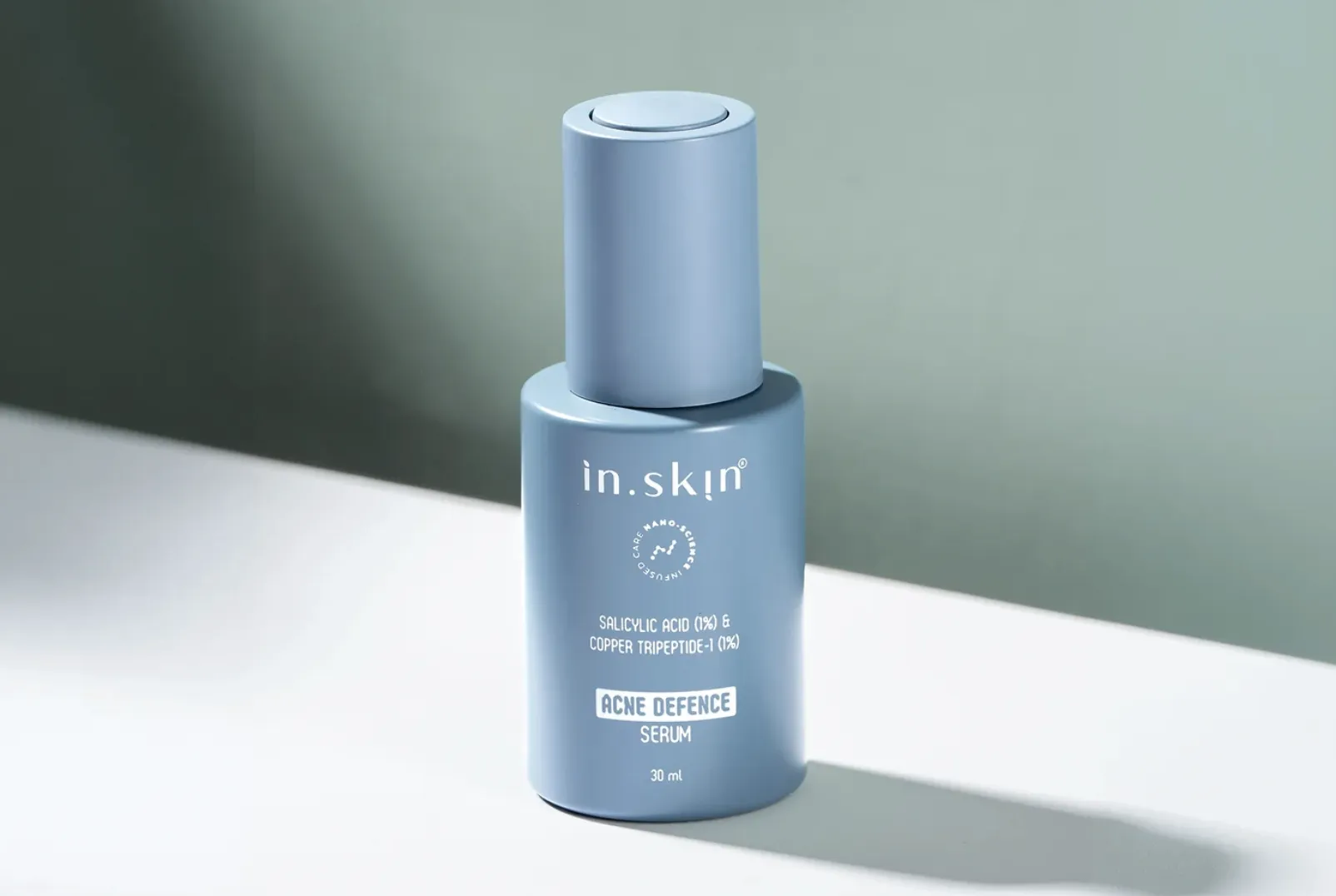
Meet inskin Acne Defence Serum
If you're looking for an Acne Serum for Pimples and Breakouts that combines effective actives with advanced skincare technology, inskin Acne Defence Serum is designed to support your journey toward clearer-looking skin.
Powered by patented Nanoplex® Technology, the formula combines carefully selected ingredients to help manage acne while supporting healthier skin.
Key Benefits
- Helps reduce pimples and breakouts
- Supports clearer-looking skin
- Helps minimise excess oil
- Promotes smoother skin texture
- Supports healthy acne recovery
Unlike products that rely solely on high ingredient percentages, inskin focuses on effective delivery - helping active ingredients perform more efficiently on the skin.
Skincare Habits That Help Prevent Acne Marks
Preventing post-acne pigmentation often comes down to everyday habits.
Never Pop Pimples
Allow acne to heal naturally whenever possible.
Wear Sunscreen Daily
Protect healing skin from UV exposure to reduce pigmentation.
Stay Consistent
Using products occasionally won't produce the same results as following a consistent routine.
Keep Your Skin Hydrated
A healthy skin barrier heals more efficiently than dehydrated skin.
Choose Targeted Products
Rather than trying every trending ingredient, invest in products formulated specifically for acne-prone skin.
Common Mistakes That Slow Acne Healing
Many people unknowingly delay their skin's recovery.
Avoid these common habits:
- Using harsh physical scrubs
- Over-cleansing
- Layering too many active ingredients
- Frequently changing skincare products
- Skipping moisturiser
- Ignoring sunscreen
- Picking or squeezing pimples
Often, doing less, but doing it consistently - leads to better results.
Patience Is Part of the Process
One of the biggest misconceptions about acne is expecting overnight results.
Healthy acne healing takes time.
Even after active breakouts improve, post-acne pigmentation may take several weeks or even months to gradually fade.
The important thing is staying consistent.
Supporting your skin every day creates better long-term outcomes than constantly switching products in search of quick fixes.
The Bottom Line
Acne doesn't have to leave a lasting reminder behind.
While factors like inflammation, skin tone, and genetics influence how your skin heals, your daily skincare habits can make a remarkable difference.
- Treat breakouts early.
- Avoid picking.
- Protect your skin from the sun.
- Choose ingredients backed by science.
And most importantly, use skincare that is formulated to work effectively not just sit on the surface.
If you're looking for a smarter approach to acne care, inskin Acne Defence Serum combines carefully selected acne-fighting ingredients with patented Nanoplex® Technology to support clearer-looking skin, healthier acne recovery, and a skincare routine built on science not trends.
Ready to support healthier, clearer skin?
Discover the inskin Acne Defence Serum and experience the difference that advanced delivery technology can make. Pair it with a gentle cleanser, daily moisturiser, and sunscreen for a complete routine that helps manage pimples, supports acne healing, and reduces the chances of lingering acne marks and post-acne pigmentation.
Shop now at inskin.in and take the first step towards clearer, healthier-looking skin.






















Sign in to leave a comment.