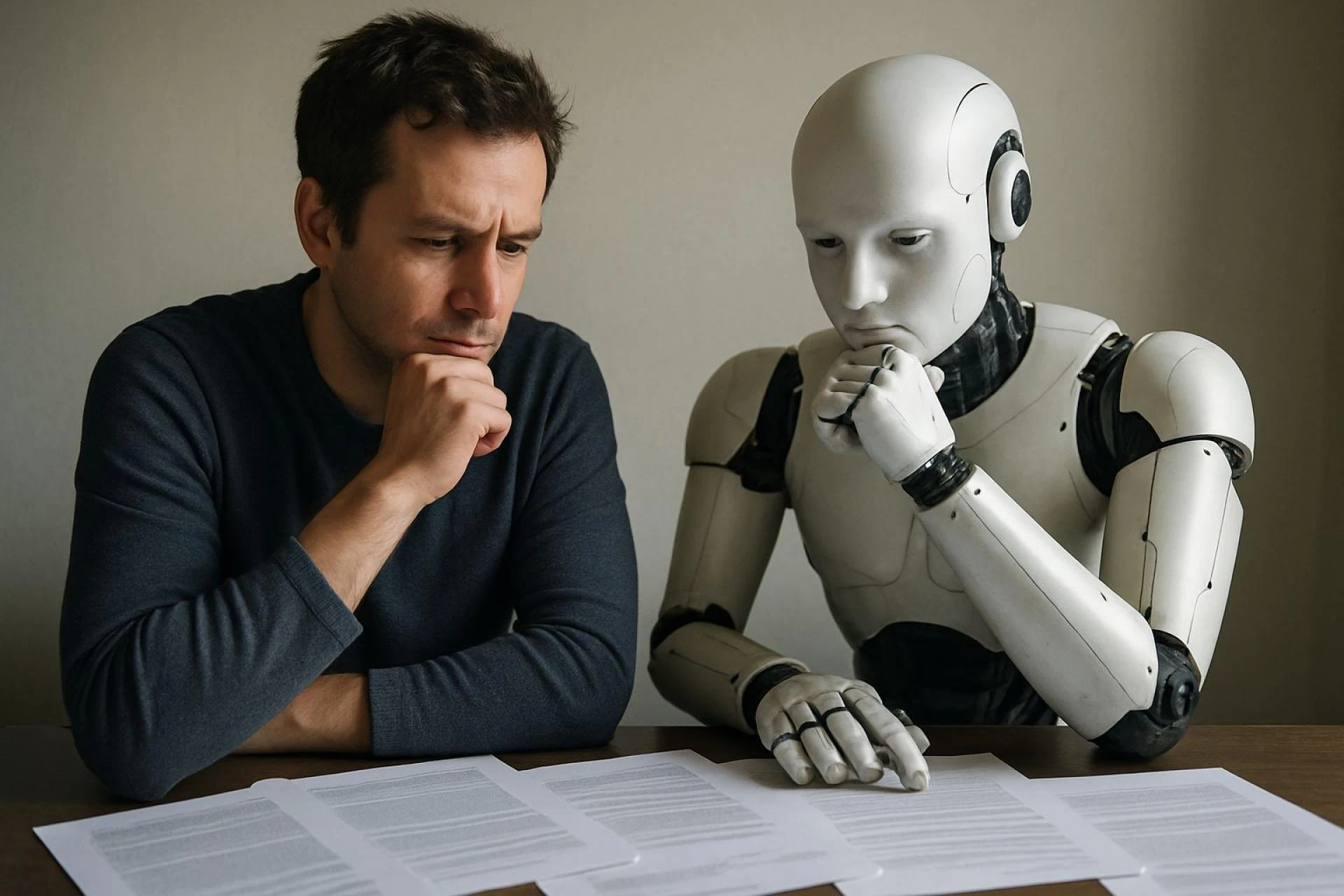
Artificial intelligence today is transforming how we work, communicate, and live. One area where AI is making big strides is translation. With tools like Google Translate, DeepL, and ChatGPT, people can now translate documents instantly and often with surprising accuracy. However, when it comes to certified translations – especially for immigration, legal, medical, or academic purposes – AI still falls far short.
If you are applying for a visa, submitting documents to a government agency, or dealing with any official process in Canada, you will likely need certified translations. These are not just simple word-for-word conversions. They require a professional translator to accurately translate a document and then certify that the translation is complete and true to the original.
So, can AI generate certified translations? The short answer is no. Let’s explore why.
1. Certified Translations Must Be Done by Humans
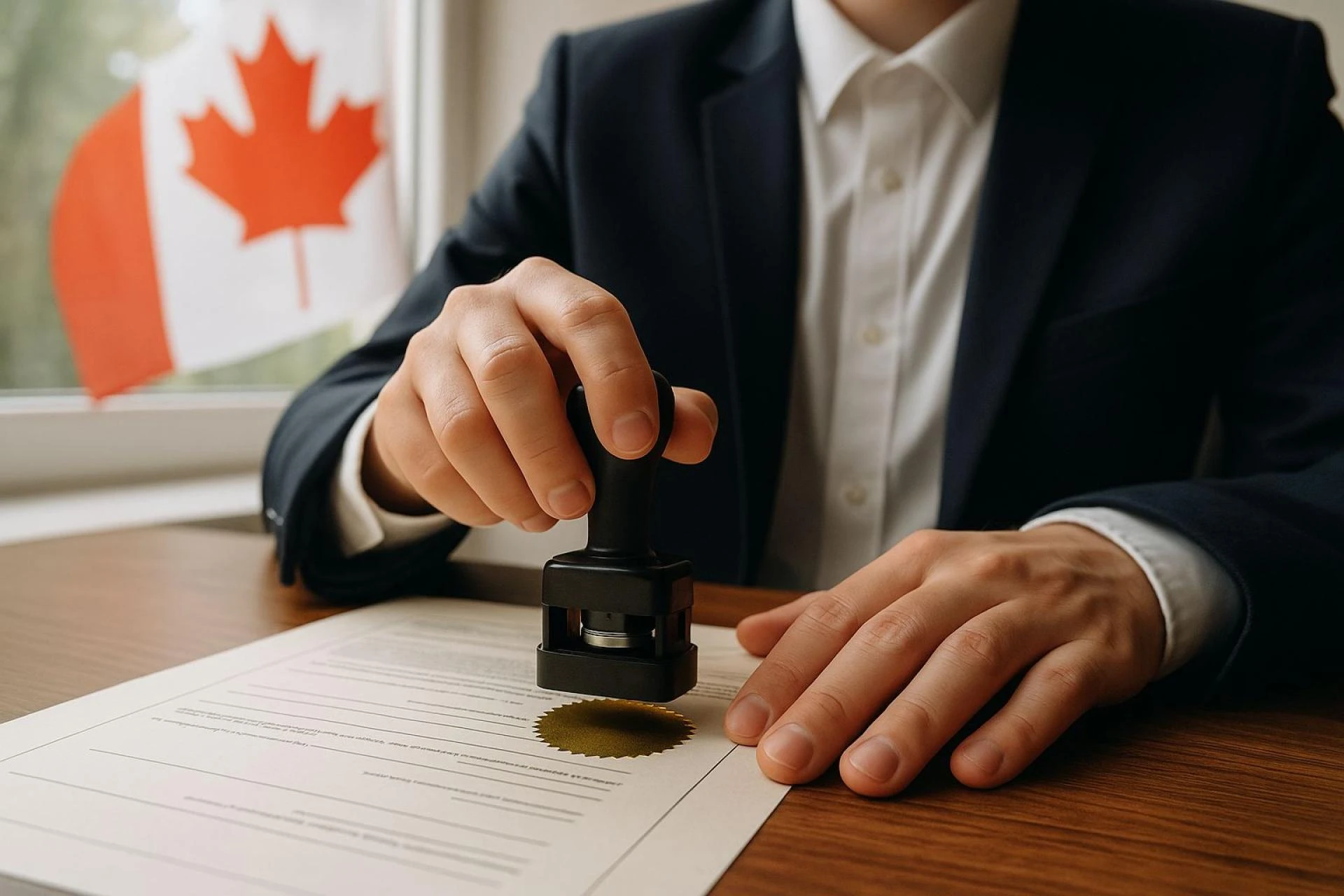
Certified translations are legally binding documents. They require a professional translator to take full responsibility for the accuracy of the translation. This includes signing a statement (called an affidavit or certificate of accuracy) that confirms the translation is complete and accurate to the best of their knowledge.
AI cannot do this. It cannot sign a certification, take legal responsibility, or appear in court if needed. Only a human translator or a certified translation service provider can provide this level of accountability.
2. AI Lacks Context and Cultural Understanding
AI translation tools rely on patterns, not understanding. While they are useful for basic communication or general understanding, they often miss context, tone, or legal nuances. A word might have multiple meanings depending on how it is used in the sentence, and AI often struggles to choose the correct one.
For example, legal documents often use highly specific language, and any mistranslation can lead to misunderstandings or delays. In immigration cases, a poorly translated birth certificate, marriage document, or police clearance letter can result in a rejected application. These are not risks worth taking.
Professional translators, especially those trained in legal or official translations, understand the importance of context, tone, and exact meaning. They are trained to produce translations that match the original in both meaning and intent – something AI is still far from achieving.
3. Certified Translations Involve Formal Requirements
In Canada, certified translations must meet certain formal requirements. These include:
- A clear and accurate translation of the entire document
- A signed declaration by the translator or translation company
- The inclusion of the original document or a copy
- Sometimes a notarized affidavit
AI tools cannot fulfill any of these. Even if the translation seems accurate, it will not be accepted by Immigration, Refugees and Citizenship Canada (IRCC), universities, or legal authorities without proper certification. Submitting AI-generated translations could cause delays, rejections, or even legal consequences in some situations.
4. Accuracy Cannot Be Guaranteed
Even the best AI tools make mistakes. They may translate a phrase correctly in one sentence and completely misinterpret it in another. In certified translations, even one error can lead to serious problems.
Professional translators follow strict quality control procedures. They review, proofread, and sometimes collaborate with other experts to ensure 100 percent accuracy. Certified translation companies like DocsBase Canada have built their reputation on delivering high-quality translations that clients can trust – every time.
5. Official Bodies Do Not Accept AI Translations
Most government agencies and institutions in Canada clearly state that they do not accept machine or AI-generated translations. IRCC, for instance, requires translations to be done by a qualified human translator and accompanied by a signed declaration.
Using AI-generated translations for official purposes is not only ineffective – it is also against the rules. If you try to use an AI tool to cut corners, you may end up wasting time, money, and possibly missing important deadlines.
Trust DocsBase Canada for Your Certified Translations
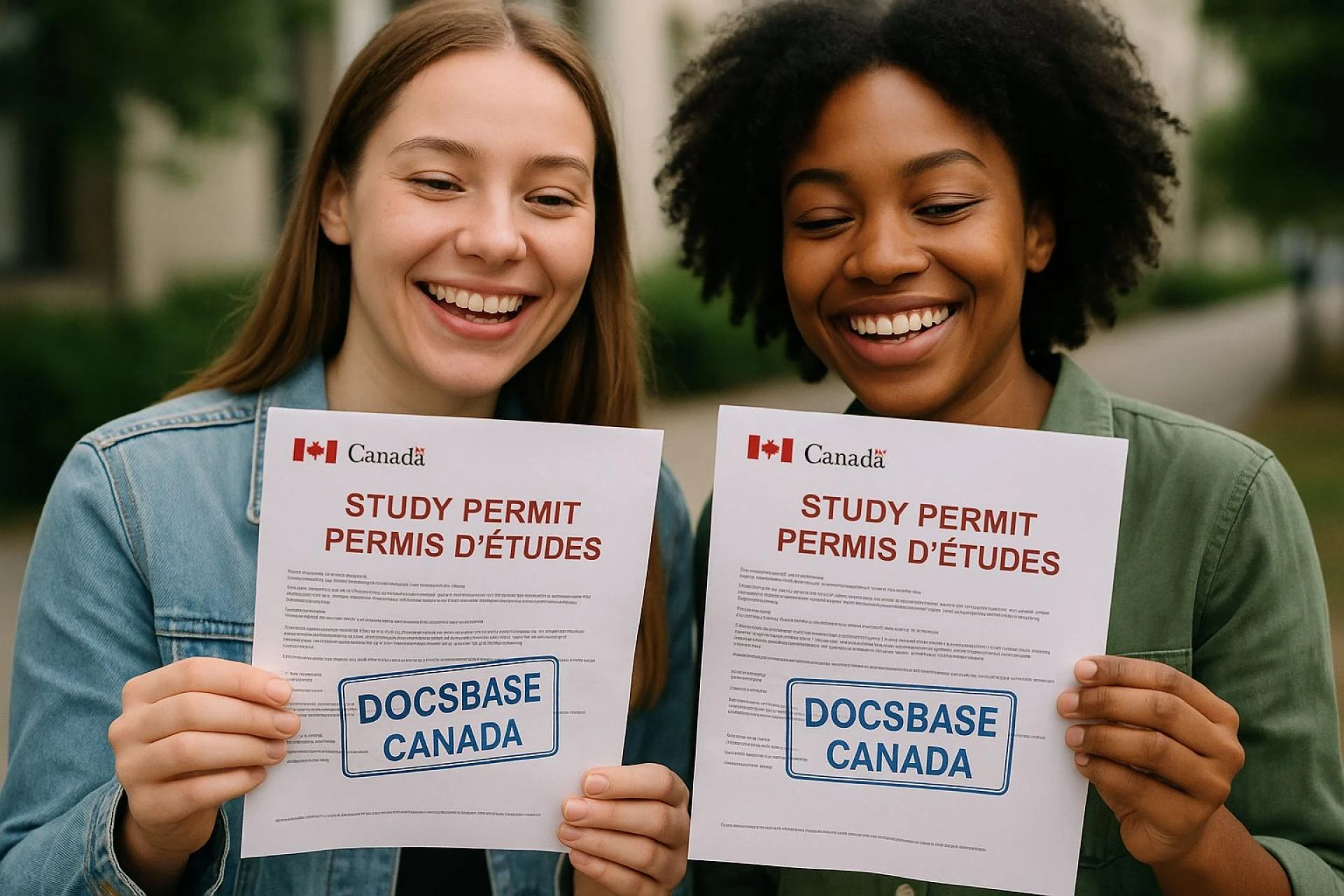
At DocsBase Canada, we specialize in providing certified translations for immigration, academic, medical, legal, and other official purposes. Our team includes professional translators with years of experience and deep knowledge of specific industries and legal standards. We offer fast turnaround times, competitive pricing, and complete confidentiality.
Unlike AI, our translators take full responsibility for every word, ensuring your documents are accepted by Canadian authorities without issue. We handle all types of documents – from birth and marriage certificates to diplomas, legal contracts, and medical records.
Final Thoughts
AI is a powerful tool, and its role in translation will only continue to grow. But when it comes to certified translations – where accuracy, accountability, and legal acceptance matter – it simply is not enough. AI cannot certify a document, guarantee accuracy, or meet legal standards. Only a professional human translator can do that.
If you need certified translations in Canada, do not take chances with AI. Trust a qualified translation service like DocsBase Canada to ensure your documents are done right the first time.

























Sign in to leave a comment.