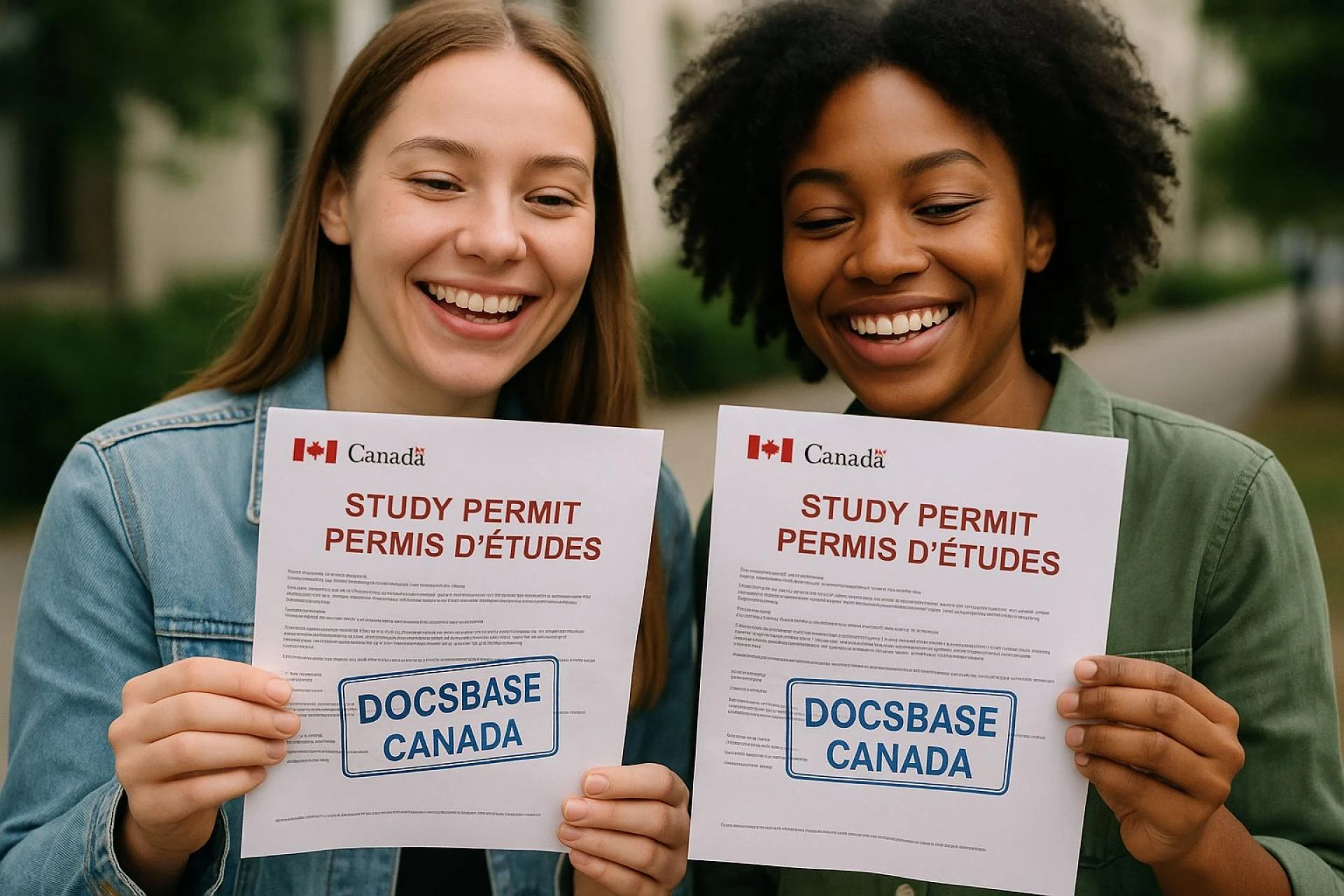
Canada continues to be one of the top destinations for international students in 2025, offering world-class education, diverse cultural experiences, and opportunities for career growth. However, before starting their studies, international applicants must navigate the admissions process, which often requires submitting academic and personal documents in English or French. For many, this means obtaining certified translations to meet institutional requirements.
Certified translation plays a crucial role in ensuring that academic institutions understand and trust the accuracy of foreign-language documents. Whether you are applying to a university, college, or vocational school, the quality and legitimacy of your translations can significantly affect the outcome of your application.
Why Certified Translation Matters for Admissions
When you submit documents like transcripts, diplomas, recommendation letters, or proof of identity, Canadian institutions must be certain that these documents are accurate and authentic. Certified translations provide a guarantee that the translation reflects the original document’s content faithfully.
Admissions officers often receive applications from around the world, making it impossible to be familiar with every language or academic format. A certified translation bridges this gap, ensuring that evaluators can assess your qualifications without ambiguity. Inaccurate or incomplete translations can delay your application, lead to requests for resubmission, or even result in rejection.
Common Documents Requiring Certified Translation
International students typically need certified translations for a variety of documents, including:
- Academic transcripts and mark sheets
- Diplomas and graduation certificates
- Letters of recommendation
- Birth certificates and identification documents
- Proof of language proficiency (if issued in another language)
- Financial statements or sponsorship letters
- Medical or immunization records (for program-specific requirements)
Each institution may have different requirements, but the general rule is that any document not issued in English or French must be accompanied by a certified translation.
2025 Admissions Trends and Updates
In 2025, many Canadian schools are moving towards streamlined online application systems. While this makes it easier to submit documents, it also means that translations must be prepared in a format compatible with digital uploads. Scanned copies of certified translations are often acceptable, but the original paper versions may still be required for verification upon arrival in Canada.
Some institutions now use secure online portals for document submission, where applicants can upload certified translations along with the original documents. This shift reduces processing times and helps ensure that admissions staff receive clear, legible copies. However, it also places more responsibility on the applicant to ensure that translations are prepared to professional standards.
Choosing a Certified Translation Service in Canada
Selecting the right translation provider is critical to meeting admissions requirements. For international students applying to Canadian schools, a trusted translation company like DocsBase Canada offers several advantages:
- Expertise in Academic Documents: Experienced translators understand the terminology and formatting of educational records from different countries.
- Accuracy and Clarity: Certified translations must be precise, ensuring that grades, course titles, and institutional names are correctly rendered.
- Compliance with Institutional Standards: DocsBase Canada provides translations that meet the specific requirements of Canadian universities, colleges, and government authorities.
- Confidentiality: Personal and academic records are handled with strict privacy and security protocols.
- Fast Turnaround: Admissions deadlines are non-negotiable, and DocsBase Canada delivers certified translations on time without sacrificing quality.
Step-by-Step Guide for Students Needing Certified Translation
- Check Requirements: Review the admissions guidelines for your chosen institution to confirm which documents need certified translations.
- Gather Originals: Make sure your documents are complete, legible, and in their official form.
- Select a Trusted Translator: Choose a provider like DocsBase Canada with proven experience in academic translations.
- Submit Documents for Translation: Provide clear copies or originals for accurate translation.
- Review and Approve: Verify the accuracy of names, dates, and key details before finalizing.
- Submit Before Deadlines: Ensure your translations are uploaded or sent to the institution well ahead of the application cutoff date.
Common Mistakes to Avoid
- Using Non-Certified Translations: Personal translations or those done by friends, even if fluent, are rarely accepted by institutions.
- Missing Deadlines: Delays in obtaining translations can result in missed admissions windows.
- Poor Document Quality: Blurry or incomplete scans can cause processing delays.
- Ignoring Formatting: Certified translations should match the structure of the original document to avoid confusion.
The Role of Certified Translation in Visa Applications
Beyond admissions, certified translations often play a role in obtaining a Canadian study permit. Immigration authorities may require translated versions of acceptance letters, proof of funds, and identity documents. By working with a professional translation company from the start, students can ensure that their documents are ready for both school and visa requirements.
Why DocsBase Canada is the Right Choice for International Students
DocsBase Canada specializes in providing high-quality certified translations tailored to the needs of international students. With experience in translating educational documents from around the globe, the company ensures that every translation is accurate, clear, and ready for submission.
The team understands the urgency of admissions deadlines and offers efficient service without compromising quality. Whether you are applying for undergraduate, postgraduate, or specialized training programs, DocsBase Canada delivers translations that meet the exact standards of Canadian academic institutions.
Final Thoughts
As Canada’s international student population continues to grow in 2025, certified translation remains a critical step in the admissions process. Choosing a trusted, professional translation provider can make the difference between a smooth application experience and unnecessary delays.
By partnering with DocsBase Canada, international students can submit their applications with confidence, knowing that their documents will be understood, accepted, and valued by admissions committees. In a competitive admissions environment, every detail matters—and certified translation is one detail you cannot afford to overlook.






























Sign in to leave a comment.