

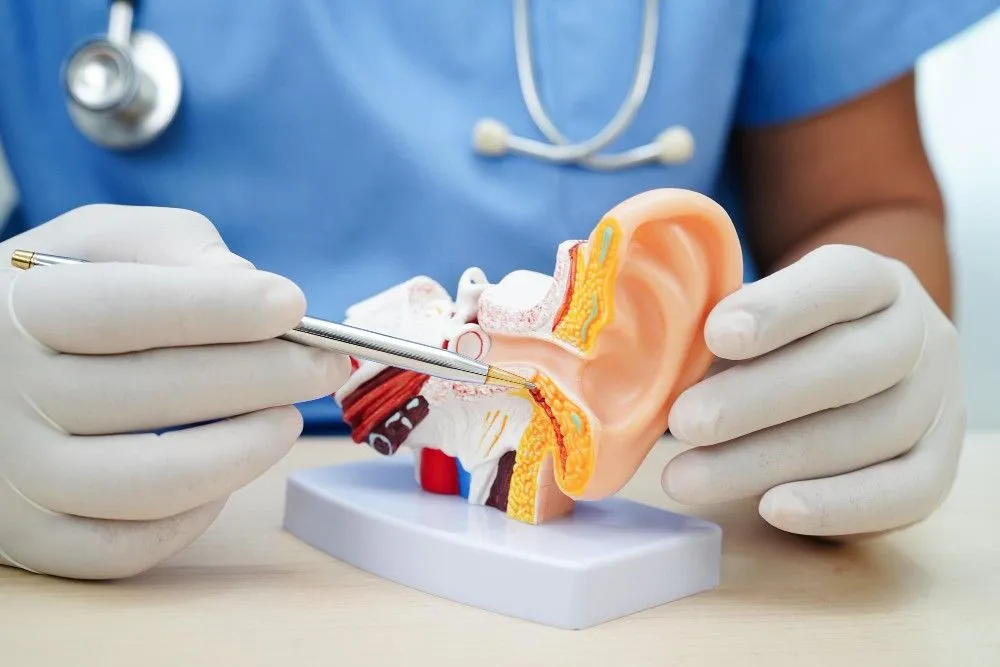
Allergies are commonly associated with sneezing, runny noses, and itchy eyes. However, many people are surprised to learn that allergies can also affect the ears and even impact hearing. If you’ve ever experienced a blocked sensation, muffled sounds, or pressure in your ears during allergy season, you’re not alone.
At Audiology Planet, patients are often guided on how allergies can influence ear health and what steps to take for relief.
How Allergies Impact the Ears
The ears, nose, and throat are closely connected. When allergies trigger inflammation in the nasal passages, it can also affect the Eustachian tube — a small canal that connects the middle ear to the back of the nose.
This tube helps regulate pressure in the ear. When it becomes blocked due to allergies, it can lead to:
- A feeling of fullness in the ears
- Muffled or reduced hearing
- Popping or crackling sounds
- Mild discomfort or pressure
Consulting the best audiologist Sevenoaks or the best audiologist Central London can help determine whether your symptoms are linked to allergies or another ear condition.
Common Ear-Related Symptoms Caused by Allergies

Allergies can lead to several ear-related issues that may affect daily comfort and hearing.
Ear Pressure and Fullness
Blocked Eustachian tubes can create a sensation similar to having water in your ears.
Temporary Hearing Changes
Fluid build-up or pressure can reduce sound clarity, making it harder to hear conversations.
Itching Inside the Ears
Allergic reactions may cause irritation and itching in the ear canal.
Increased Earwax Build-Up
In some cases, allergies may stimulate the production of earwax, which can contribute to blockage.
Experts like Dr. Jay Jindal often highlight the importance of identifying the root cause of these symptoms rather than ignoring them.
Can Allergies Lead to Hearing Loss?
In most cases, hearing changes caused by allergies are temporary. Once the allergic reaction is treated, normal hearing usually returns. However, if symptoms persist or are left untreated, they may lead to complications such as infections or prolonged blockage.
Professional evaluation at Audiology Planet ensures that any underlying issues are addressed early, reducing the risk of long-term hearing problems.
When Should You Seek Help?
It’s important not to ignore ear symptoms during allergy season. You should seek professional advice if you experience:
- Persistent ear blockage
- Ongoing muffled hearing
- Pain or discomfort in the ears
- Ringing or unusual sounds
- Balance issues
Clinics offering Hearing Services in Sevenoaks provide thorough assessments to determine whether allergies are affecting your ear health.
Diagnosis and Professional Care
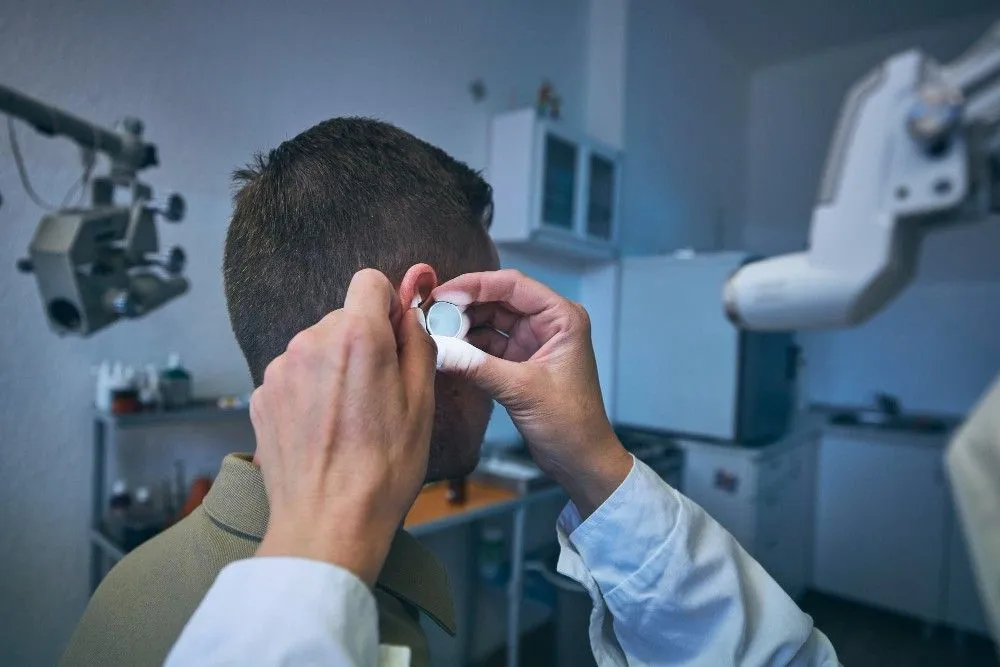
A proper diagnosis is essential to rule out other causes such as infections or earwax blockage. At Audiology Planet, specialists conduct detailed examinations and hearing tests to understand the condition fully.
If hearing loss is detected, solutions like hearing aids tunbridge wells may be recommended to improve hearing clarity. Consulting the best audiologist Central London ensures accurate diagnosis and personalised treatment.
Managing Allergy-Related Ear Problems
Managing allergies effectively can help reduce ear-related symptoms. Some helpful steps include:
- Controlling exposure to allergens such as dust and pollen
- Using prescribed allergy medications
- Staying hydrated to reduce mucus build-up
- Avoiding inserting objects into the ears
If earwax contributes to the problem, professional cleaning may be advised as part of Hearing Services in Sevenoaks.
Protecting Your Hearing Long-Term
While allergy-related hearing issues are often temporary, it is important to monitor your ear health regularly. Routine check-ups can help detect early signs of problems and ensure timely treatment.
With guidance from Dr. Jay Jindal, patients can take proactive steps to protect their hearing and prevent complications.
Final Thoughts
Allergies can do more than cause sneezing — they can also affect your ears and hearing. From pressure and discomfort to temporary hearing changes, these symptoms should not be ignored.
At Audiology Planet, expert care ensures that allergy-related ear problems are properly diagnosed and managed. Whether you need professional advice, treatment, or support such as hearing aids tunbridge wells, consulting the best audiologist Sevenoaks or best audiologist Central London provides peace of mind.
Taking the right steps today can help you maintain healthy ears and clear hearing, even during allergy season.






























Sign in to leave a comment.