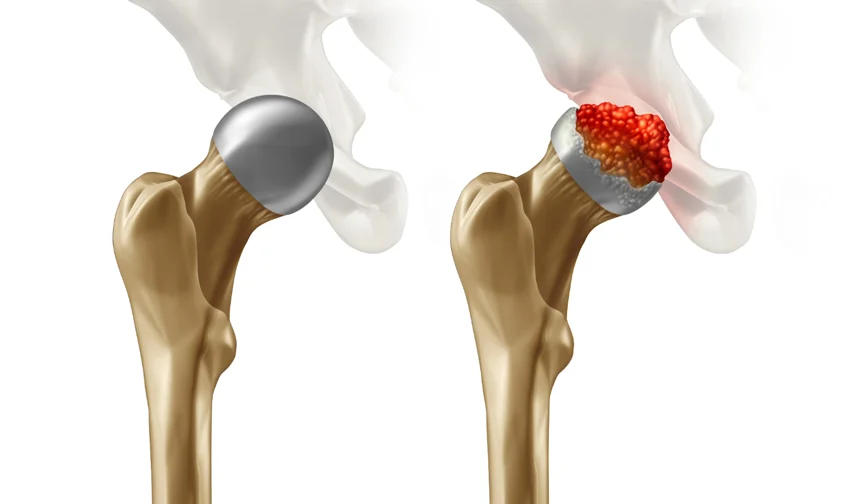
Avascular Necrosis (AVN), also known as osteonecrosis, is a condition that occurs when the blood supply to a bone is reduced or completely cut off. Over time, this lack of blood flow can cause the bone tissue to weaken and collapse, most commonly affecting the hip joint. Many patients diagnosed with AVN often ask an important question: Can AVN heal without surgery? The answer depends on the stage of the condition, early diagnosis, and timely treatment.
What Is Avascular Necrosis (AVN)?
AVN typically affects weight-bearing joints such as the hip, shoulder, knee, and ankle. It can develop due to trauma, long-term steroid use, excessive alcohol consumption, or certain medical conditions. In its early stages, AVN may cause mild pain or discomfort, but as the condition progresses, joint damage can become severe and may eventually require surgical intervention if left untreated.
Can AVN Heal Without Surgery?
In the early stages of AVN, non-surgical treatment may help slow the progression of the disease and relieve symptoms. While complete healing without surgery is not always guaranteed, conservative management can be effective in preserving the joint and improving quality of life when started early.
Non-Surgical Treatment Options
- Medications: Doctors may prescribe pain relievers and medications that improve blood circulation to the affected bone. These can help manage symptoms and slow disease progression.
- Lifestyle Modifications: Reducing weight-bearing activities, using crutches or walkers, and avoiding high-impact exercises can prevent further damage to the joint.
- Physiotherapy: Targeted exercises help maintain joint mobility, strengthen surrounding muscles, and reduce stiffness.
- Regenerative Therapies: In some cases, advanced non-surgical approaches such as PRP (Platelet-Rich Plasma) therapy or other regenerative treatments may support bone health in early AVN.
- Regular Monitoring: Imaging tests like MRI or X-rays help track disease progression and determine whether conservative treatment is working.
When Is Surgery Needed?
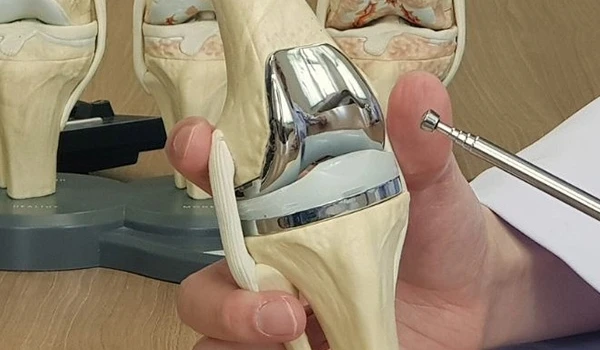
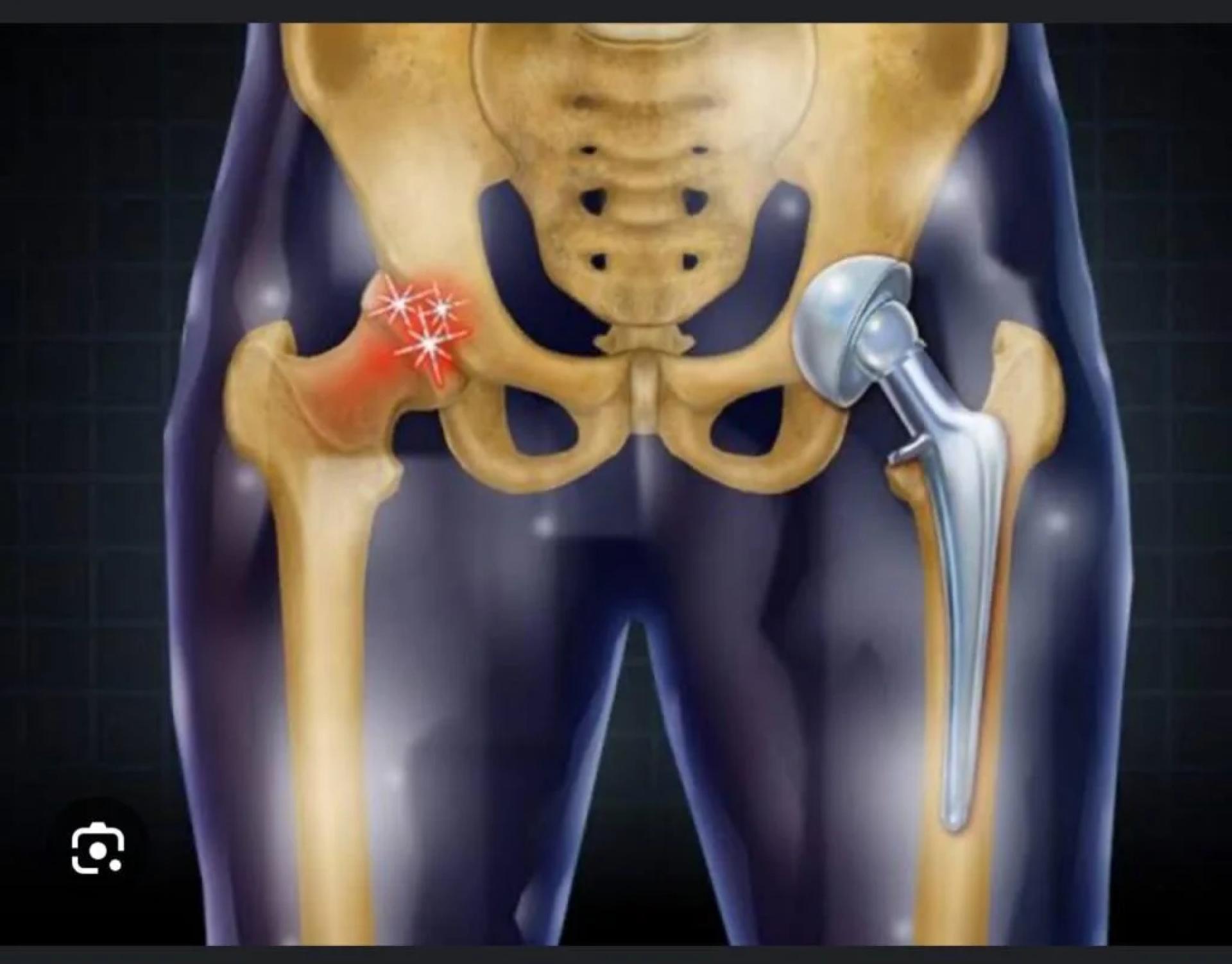
If AVN progresses to later stages and the bone begins to collapse, surgical procedures such as core decompression or joint replacement may become necessary. Early diagnosis plays a key role in avoiding or delaying surgery, which is why consulting a specialist as soon as symptoms appear is crucial.
Expert Care for AVN
Dr. Yugal Karkhur is recognized for his expertise in managing joint conditions and providing patient-focused orthopaedic care. As a best orthopaedic surgeon in Agra, he evaluates each patient carefully and recommends personalized treatment plans based on the stage of AVN. At Ykorthopaedics, patients receive advanced and comprehensive AVN Treatment in Agra, focusing on early diagnosis, joint preservation, and long-term relief.
Conclusion
AVN may not always heal completely without surgery, but in its early stages, non-surgical treatments can significantly slow its progression and help maintain joint function. Timely diagnosis, proper medical guidance, and consistent follow-up are essential to achieving the best outcomes. If you are experiencing persistent joint pain or have been diagnosed with AVN, seeking expert orthopaedic advice can help you explore all available treatment options and protect your joint health for the future.























Sign in to leave a comment.