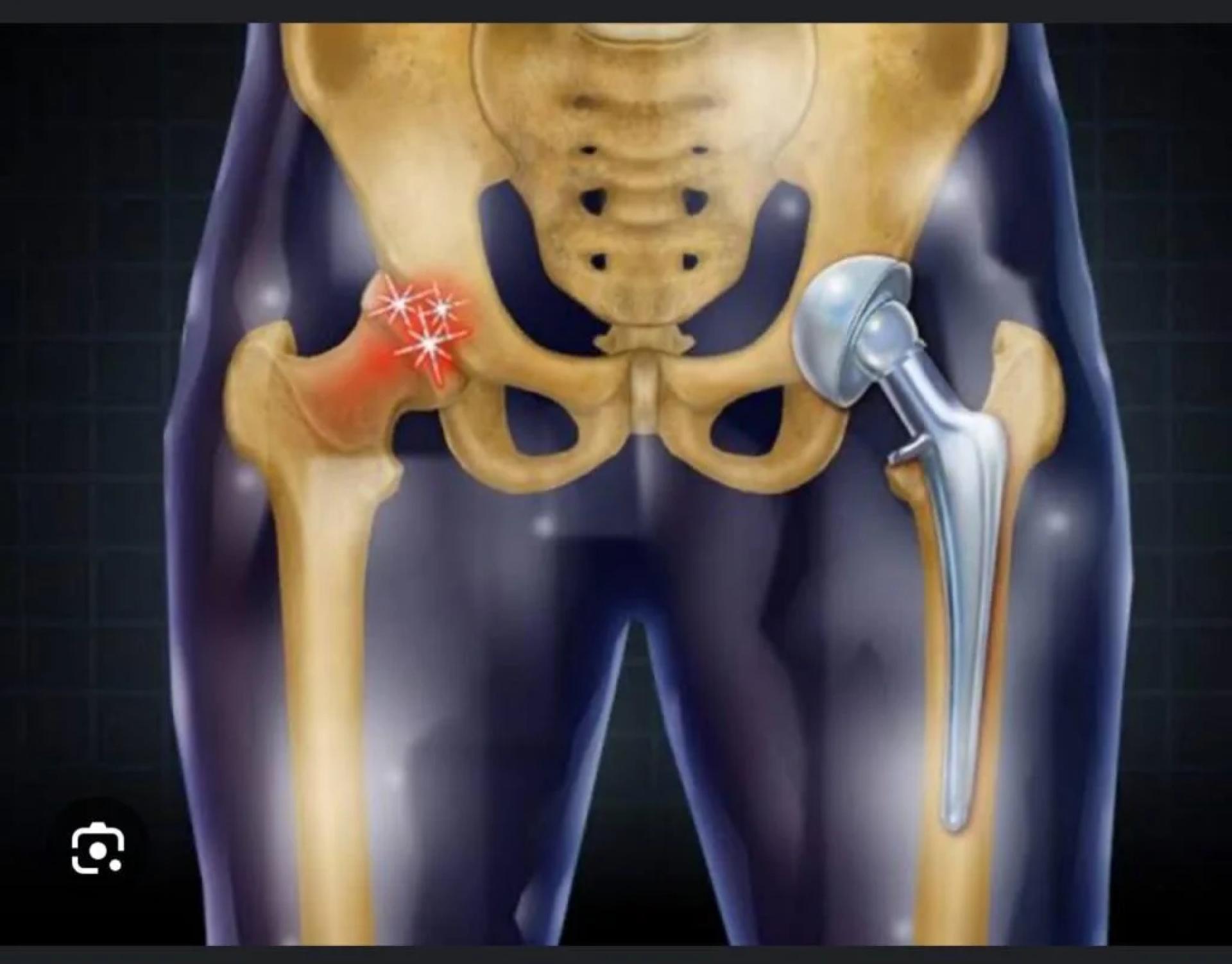

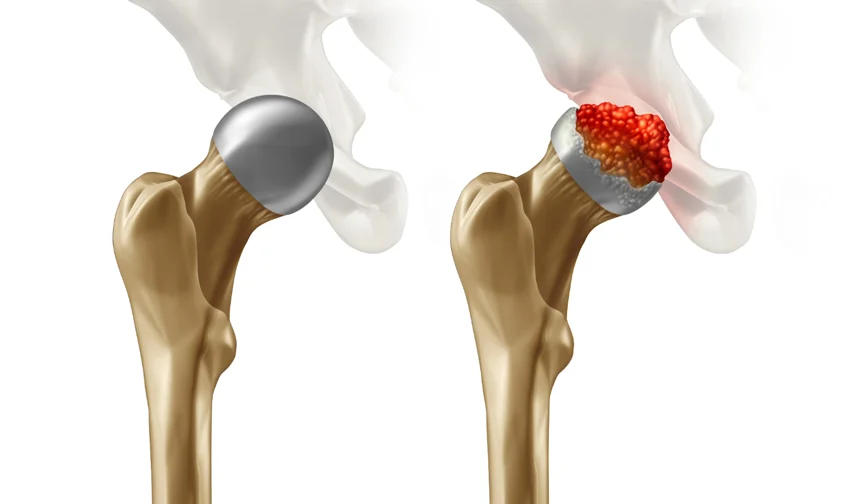
Avascular Necrosis (AVN) is a serious bone condition that develops when the blood supply to a bone is disrupted, leading to the death of bone tissue. It most commonly affects the hip joint but can also involve the knee, shoulder, or ankle. One of the most common concerns among patients diagnosed with AVN is understanding how doctors determine whether surgery is necessary or if non-surgical treatment can be effective. The decision depends on several clinical factors, including the stage of the disease, symptoms, and overall joint condition.
Understanding the Stage of AVN
The most important factor in deciding the treatment approach for AVN is the stage of the condition. Doctors usually rely on imaging tests such as X-rays and MRI scans to assess how much damage has occurred in the affected bone.
- Early-stage AVN: At this stage, the bone has not yet collapsed. Patients may experience mild to moderate pain, and imaging shows limited damage. Non-surgical treatment is often recommended to slow disease progression and preserve the joint.
- Advanced-stage AVN: If the bone begins to collapse or the joint surface is affected, surgery may be required to restore function and relieve pain.
Early diagnosis gives doctors more options to manage AVN without major surgery, which is why timely evaluation is essential.
Symptoms and Functional Limitations
Doctors also consider the severity of symptoms. Persistent pain, reduced mobility, and difficulty performing daily activities indicate that the joint may be deteriorating. If conservative treatments such as medications, physiotherapy, and lifestyle changes fail to provide relief, surgical intervention may be advised.
Patients who can still walk comfortably and have minimal joint damage may benefit from non-surgical treatment. However, if pain interferes with sleep, walking, or routine activities, surgery may offer better long-term outcomes.
Response to Non-Surgical Treatment
Before recommending surgery, doctors often try conservative methods when appropriate. These may include:
- Pain management medications
- Reduced weight-bearing activities
- Physiotherapy and strengthening exercises
- Use of assistive devices
- Lifestyle modifications
If these approaches control pain and slow disease progression, surgery can often be delayed. However, if symptoms worsen despite these measures, surgical options are considered.
Type and Location of Joint Damage
The size and location of the affected bone area also influence treatment decisions. Small, localized areas of AVN may respond well to early interventions, while larger areas with structural damage may require surgical correction. In the hip joint, for example, procedures like core decompression may be considered in earlier stages, whereas joint replacement may be recommended in advanced cases.
Personalized Treatment Planning
Every AVN case is unique, and treatment decisions are made after a thorough clinical evaluation. Dr. Yugal Karkhur, known as the best orthopaedic surgeon in Lucknow, carefully assesses imaging reports, symptoms, lifestyle needs, and overall health before recommending a treatment plan. At Ykorthopaedics, patients receive comprehensive and advanced AVN Treatment in Lucknow, with a focus on early diagnosis, joint preservation, and long-term mobility.
Conclusion
The choice between surgical and non-surgical treatment for AVN depends on multiple factors, including the stage of the disease, severity of symptoms, and response to conservative care. Early detection often allows for non-surgical management, while advanced cases may require surgery to restore joint function. Consulting an experienced orthopaedic specialist ensures that patients receive the most appropriate and effective treatment for their condition, helping them maintain mobility and quality of life.


























Sign in to leave a comment.