

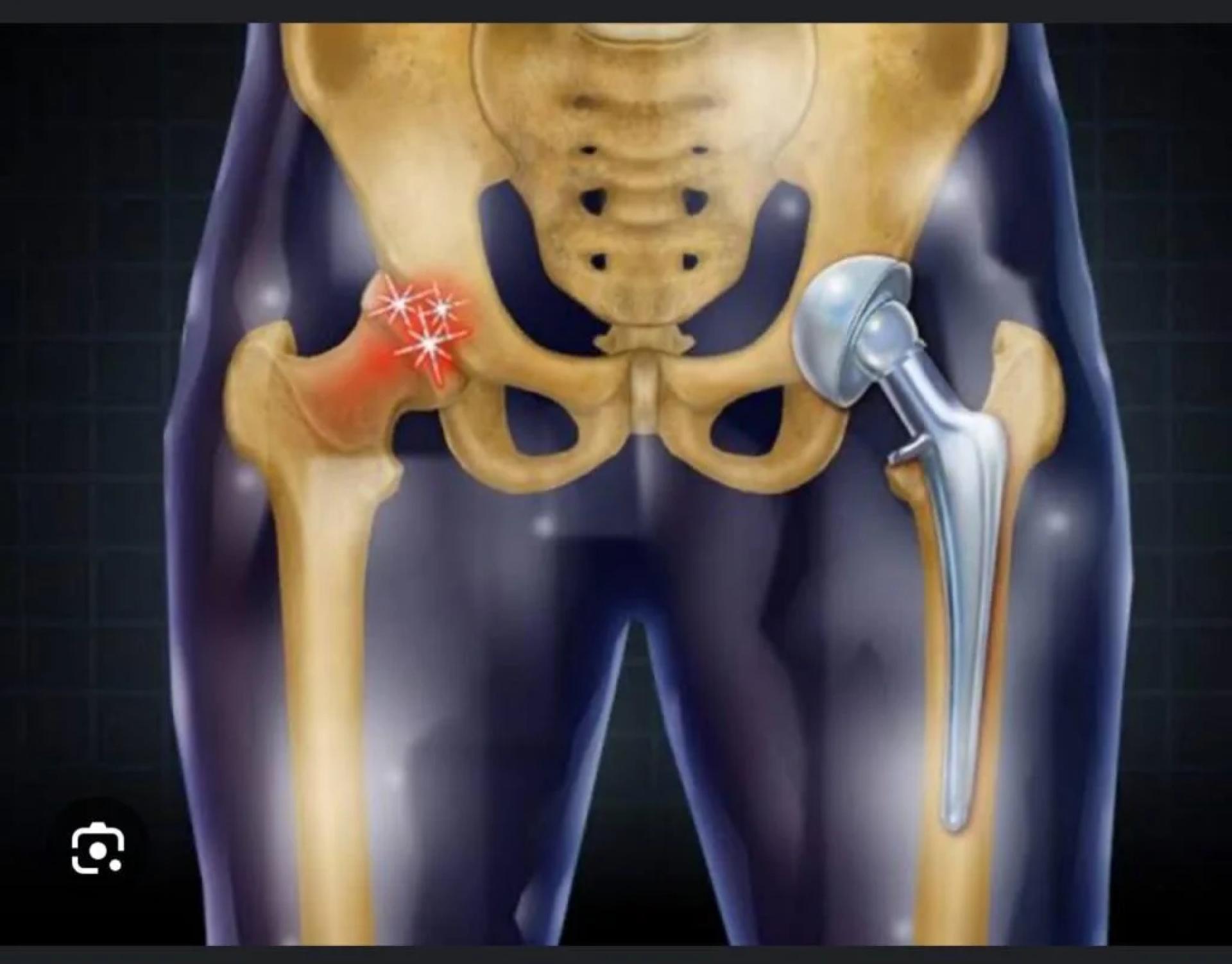
Avascular Necrosis (AVN), also known as osteonecrosis, is a condition that occurs when the blood supply to a bone is reduced, causing the bone tissue to weaken over time. The hip joint is most commonly affected, although AVN can also develop in the knee, shoulder, or ankle. Patients diagnosed with AVN often explore various treatment options to relieve pain and maintain mobility, and one common question is whether physiotherapy can play a role in treatment.
Physiotherapy does not cure AVN, but it can be an important part of a comprehensive treatment plan, especially in the early stages of the condition.
Understanding the Role of Physiotherapy in AVN
In the initial stages of AVN, the bone structure is still intact, and the main goal of treatment is to reduce stress on the affected joint, improve mobility, and prevent further damage. Physiotherapy focuses on strengthening the muscles around the joint and improving joint function without putting excessive pressure on the weakened bone.
A well-designed physiotherapy program can help patients manage symptoms and maintain their daily activities more comfortably. It also supports recovery after certain procedures and helps delay the need for surgery in some cases.
Benefits of Physiotherapy for AVN Patients
- Pain Management: Gentle exercises and guided movement techniques can help reduce stiffness and improve blood circulation around the joint, which may ease discomfort.
- Improved Joint Mobility: Physiotherapy helps maintain range of motion and prevents joint stiffness, which is essential for daily movement.
- Muscle Strengthening: Strengthening surrounding muscles reduces pressure on the affected bone and supports joint stability.
- Better Posture and Gait: Physiotherapists can guide patients on proper walking patterns and posture to minimize joint stress.
- Support for Non-Surgical Treatment: In early AVN, physiotherapy is often recommended along with medications and lifestyle changes to slow progression.
When Physiotherapy Alone Is Not Enough
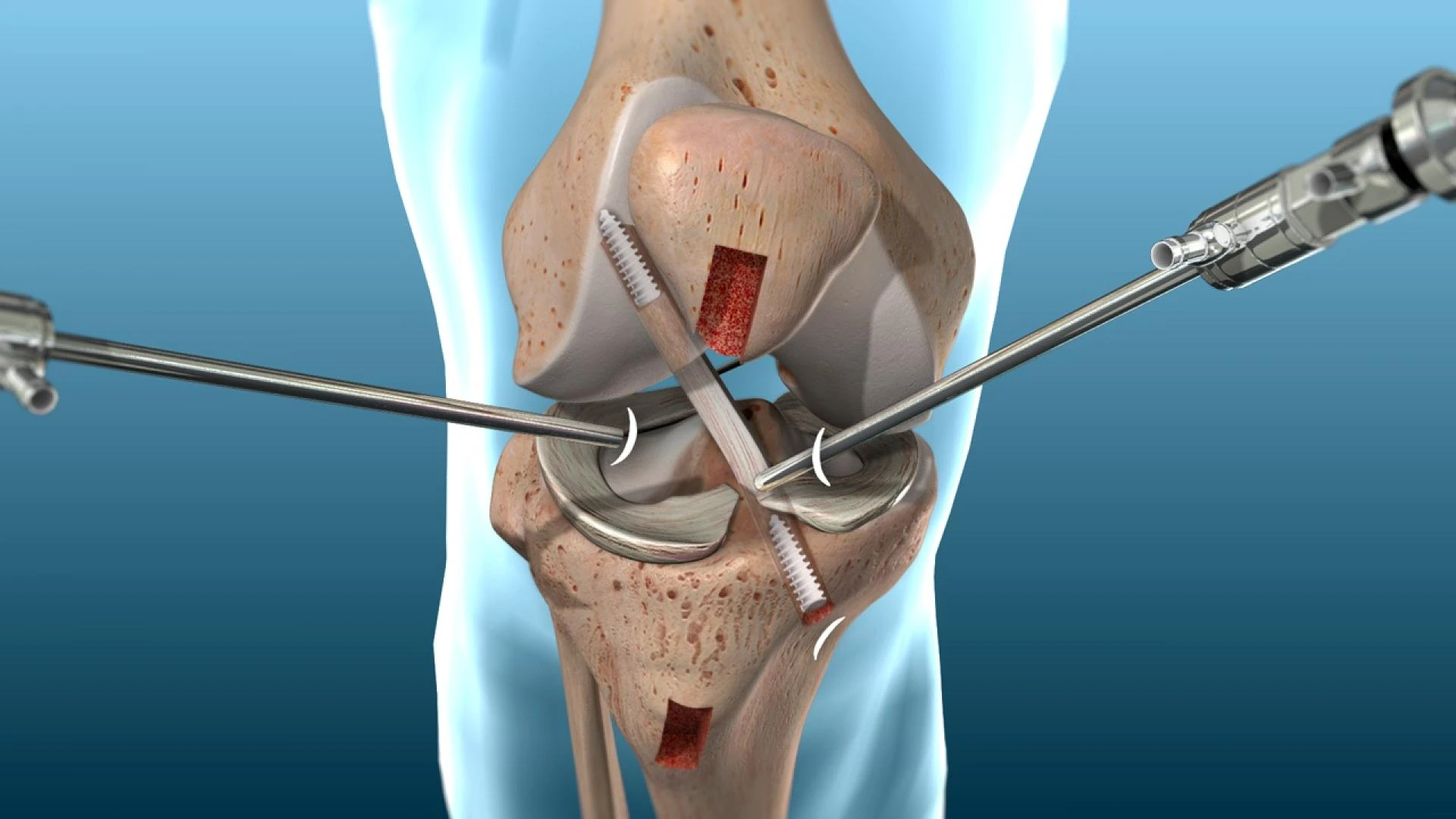
While physiotherapy can be helpful, it may not be sufficient in advanced stages of AVN where bone collapse has already occurred. In such cases, doctors may recommend procedures like core decompression or joint replacement. However, even when surgery is needed, physiotherapy remains essential for recovery and rehabilitation.
Expert Guidance Matters
Dr. Yugal Karkhur provides personalized treatment plans based on the stage and severity of AVN. Recognized as the best orthopaedic surgeon in Sonipat, he carefully evaluates each case and recommends the most suitable combination of therapies. At Ykorthopaedics, patients receive comprehensive AVN Treatment in Sonipat, where physiotherapy is integrated with medical and surgical options to achieve the best possible outcomes.
Conclusion
Physiotherapy can play a significant role in managing AVN, particularly in its early stages. It helps reduce pain, maintain mobility, and support joint health, although it may not completely reverse the condition. Early diagnosis and expert medical guidance are key to determining whether physiotherapy alone is sufficient or if additional treatment is needed. Consulting an experienced orthopaedic specialist ensures that patients receive a balanced and effective approach to managing AVN and protecting long-term joint function.



























Sign in to leave a comment.