
Introduction:
A beautiful head of hair is often considered an asset, enhancing one's appearance and boosting self-confidence. However, achieving and maintaining healthy hair requires more than just styling products and regular visits to the salon. In fact, certain hair care practices, if not performed correctly, can contribute to scalp infections. To shed light on this topic, we turn to the expertise of the best trichologist in Bangalore.
In this blog, we will explore the various causes of scalp infections, the importance of proper hair care, and effective preventive measures to ensure a healthy scalp.
Understanding Scalp Infections:
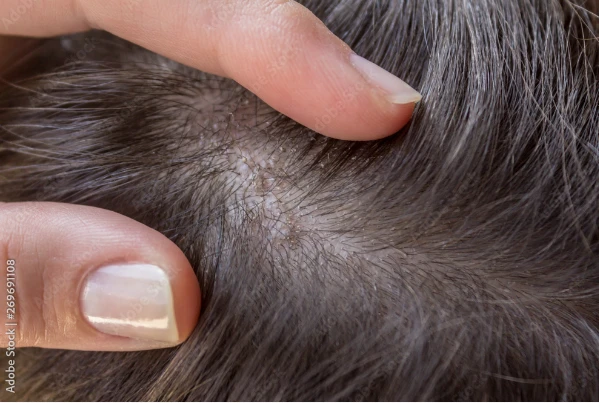
Scalp infections can occur due to a variety of factors, including bacteria, fungi, viruses, or even parasites. These infections can lead to discomfort, irritation, hair loss, and other related complications if left untreated. Some common types of scalp infections include:
Ringworm (Tinea Capitis): This fungal infection causes red, itchy patches on the scalp, often accompanied by hair breakage or bald spots.
Folliculitis: Characterized by inflamed hair follicles, folliculitis can result from bacteria or fungi entering the scalp through cuts, abrasions, or excessive sweating.
Seborrheic Dermatitis: A chronic skin condition that causes redness, flaky patches, and itching, seborrheic dermatitis can affect the scalp and other oily areas of the body.
Head Lice: These tiny parasites thrive on the scalp, causing intense itching and discomfort. Lice infestations are common among children but can affect individuals of all ages.
Preventing Scalp Infections:
While scalp infections can be bothersome, the good news is that they can often be prevented through a combination of proper hair care practices and hygiene. Let's explore some essential preventive measures:
Keep Hair and Scalp Clean: Regularly washing your hair with a gentle shampoo helps remove dirt, excess oil, and potential infection-causing microbes from the scalp. Remember to rinse thoroughly and dry your hair properly to avoid a moist environment, in which fungi and bacteria thrive in.
Avoid Sharing Personal Items: Sharing combs, hairbrushes, hats, towels, or other personal hair care items can increase the risk of transmitting infections. Always use your own clean tools and discourage sharing among family and friends.
Practice Good Hygiene: Maintain overall cleanliness and hygiene, especially when it comes to your hair accessories. Wash combs, brushes, and hair ties regularly to remove any accumulated dirt or microbes.
Protect Your Scalp: When engaging in outdoor activities or swimming, wear a hat or use sunscreen to shield your scalp from harmful UV rays and minimize the risk of sunburn and related infections.
Avoid Overstyling: Excessive heat styling, chemical treatments, and tight hairstyles can weaken the hair shaft and irritate the scalp, making it more susceptible to infections. Opt for gentle hair care practices and avoid hairstyles that put excessive tension on the scalp.
Seek Professional Advice: Regular consultations with a trichologist, such as the best trichologist in Bangalore, can prove invaluable in maintaining scalp health. They can provide personalized guidance, diagnose any underlying scalp conditions, and recommend appropriate treatments or preventive measures.
Conclusion:
Maintaining a healthy scalp is crucial for promoting overall hair health and preventing scalp infections. By adopting proper hair care practices and following the advice of experts like the best trichologist in Bangalore, you can significantly reduce the risk of scalp infections. Remember to keep your scalp clean, avoid sharing personal items, and prioritize good hygiene. Additionally, protect your scalp from harmful environmental factors and seek professional guidance whenever necessary. With these



























Sign in to leave a comment.