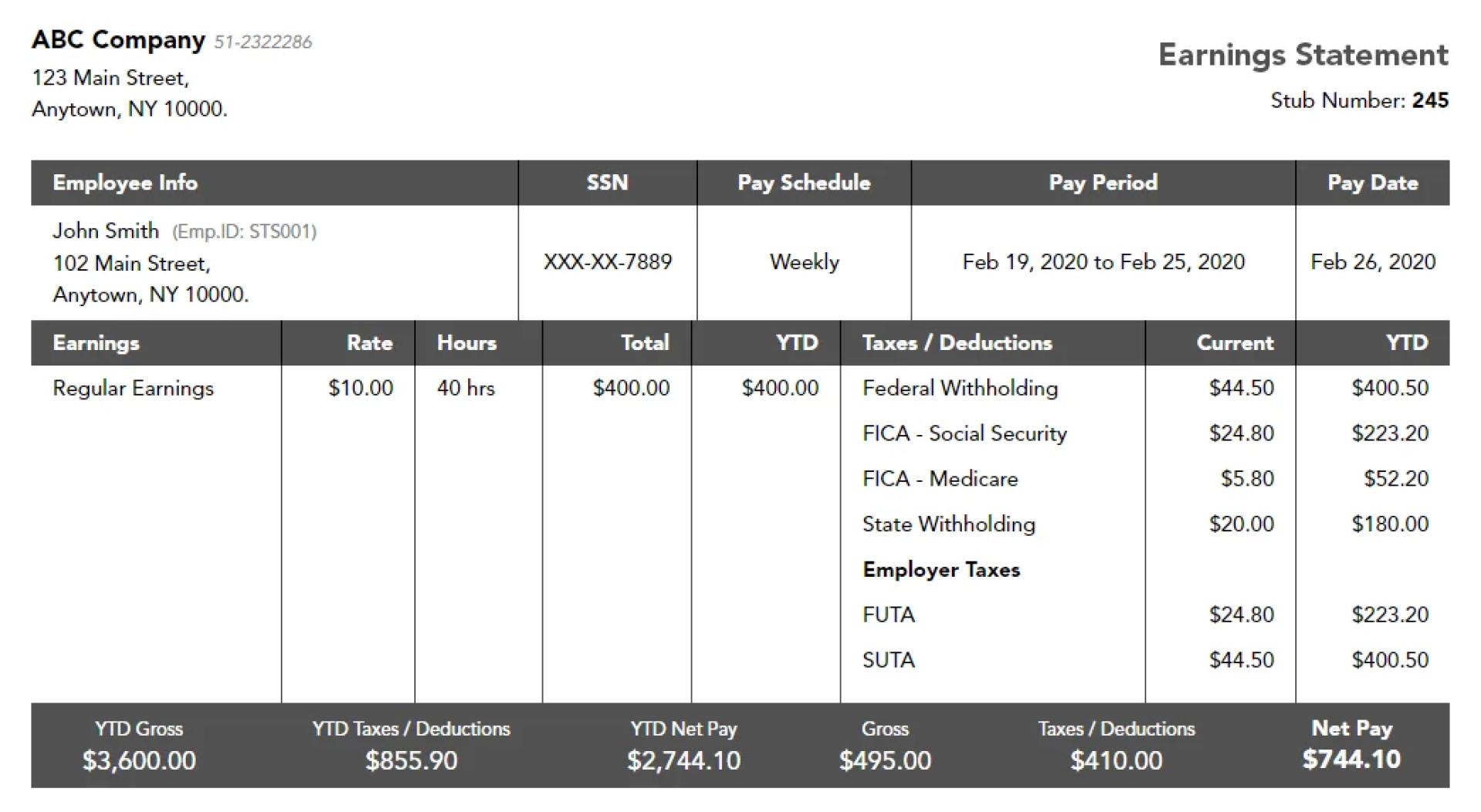

Pay stubs are more than just a breakdown of your earnings — they’re legal documents that reflect your compensation and withholdings. So, what happens when an employer alters a pay stub? Is it legal? And what are your rights as an employee?
In this article, we’ll explore the legality of modifying pay stubs, common reasons for changes, and what you can do if something doesn’t add up.
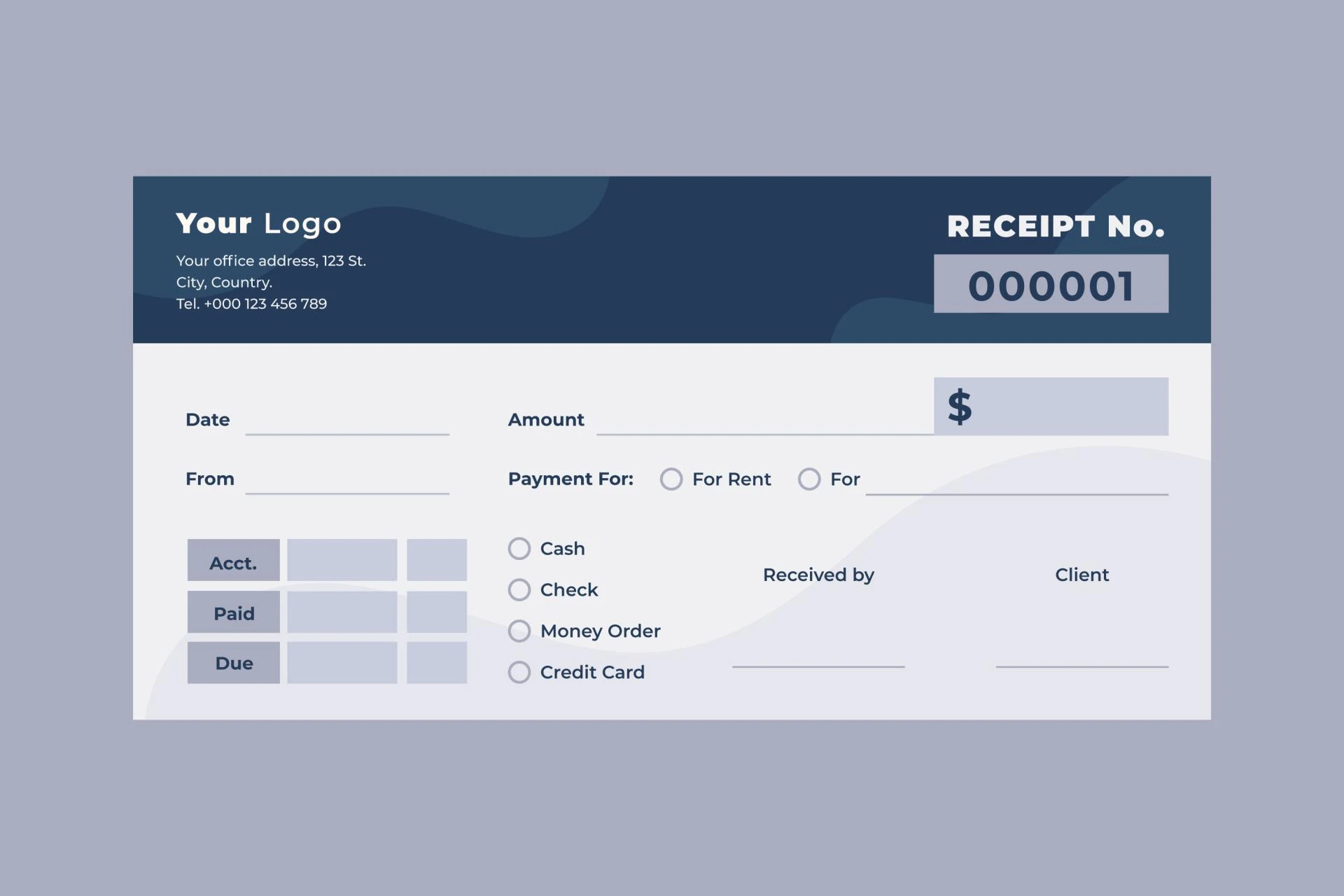
What Is a Pay Stub and Why Is It Important?
A pay stub, also known as a check stub, outlines an employee’s earnings, taxes withheld, deductions, and net pay for a specific pay period. It provides transparency and accountability for both employer and employee.
Without accurate pay stubs:
- Employees may face trouble proving income for loans or rentals.
- Discrepancies in wages may go unnoticed.
- Legal issues may arise for employers.
Many freelancers and small business owners use a pay stub generator to produce accurate, professional pay stubs when they don’t have access to payroll software.
Can Employers Legally Change Pay Stubs?
Yes, But Only Under Specific Conditions
Employers can legally correct pay stubs, but only:
- To fix clerical errors (like incorrect hours or tax codes).
- To reflect approved deductions.
- After notifying the employee and maintaining accurate payroll records.
Note: Any unauthorized or deceptive changes are illegal and may constitute payroll fraud.
What’s Considered an Illegal Change?
Modifications that violate federal or state labor laws include:
- Lowering wages without consent.
- Adding unauthorized deductions.
- Falsifying hours worked.
- Altering pay periods or withholding overtime pay.
These practices can result in serious legal consequences, including fines, audits, or lawsuits.
Employee Rights in Case of Pay Stub Discrepancies
If you notice changes or errors on your pay stub, you have rights protected by the Fair Labor Standards Act (FLSA) and state labor laws.
You Have the Right To:
- Request clarification from HR or payroll.
- Receive a written explanation for any changes.
- File a complaint with the Department of Labor (DOL) if violations are suspected.
- Seek legal help for compensation recovery in severe cases.
What To Do If You Suspect Unlawful Changes
Step 1: Review Your Pay Stubs Regularly
Keep track of hours worked, deductions, and net pay. Compare pay stubs from different periods for inconsistencies.
Step 2: Communicate with Your Employer
Most issues can be resolved with clear communication. Ask for explanations and documentation of any changes made.
Step 3: Document Everything
Keep copies of all communication, original and revised stubs, and time logs.
Step 4: Report the Issue if Necessary
If the employer doesn’t provide clarity or correct unlawful changes:
- File a complaint with your state’s labor board or the U.S. Department of Labor.
- Consider contacting an employment attorney.
- Use a pay stub generator to create and compare records for accuracy when reviewing discrepancies.
Examples of Unethical or Fraudulent Changes
Here are red flags to watch for:
- Hourly rate suddenly reduced without notice.
- Deductions labeled vaguely or incorrectly.
- Bonus amounts removed or altered.
- Overtime hours not appearing correctly.
Conclusion: Stay Informed, Stay Protected
While employers may legally make corrections to pay stubs, any unauthorized or deceptive changes are a serious violation of employee rights. Understanding your rights helps you stay protected and take appropriate action when something doesn’t look right.
Always monitor your pay stubs and speak up if anything feels off. Your paycheck should always reflect your hard work — accurately and fairly.





























Sign in to leave a comment.