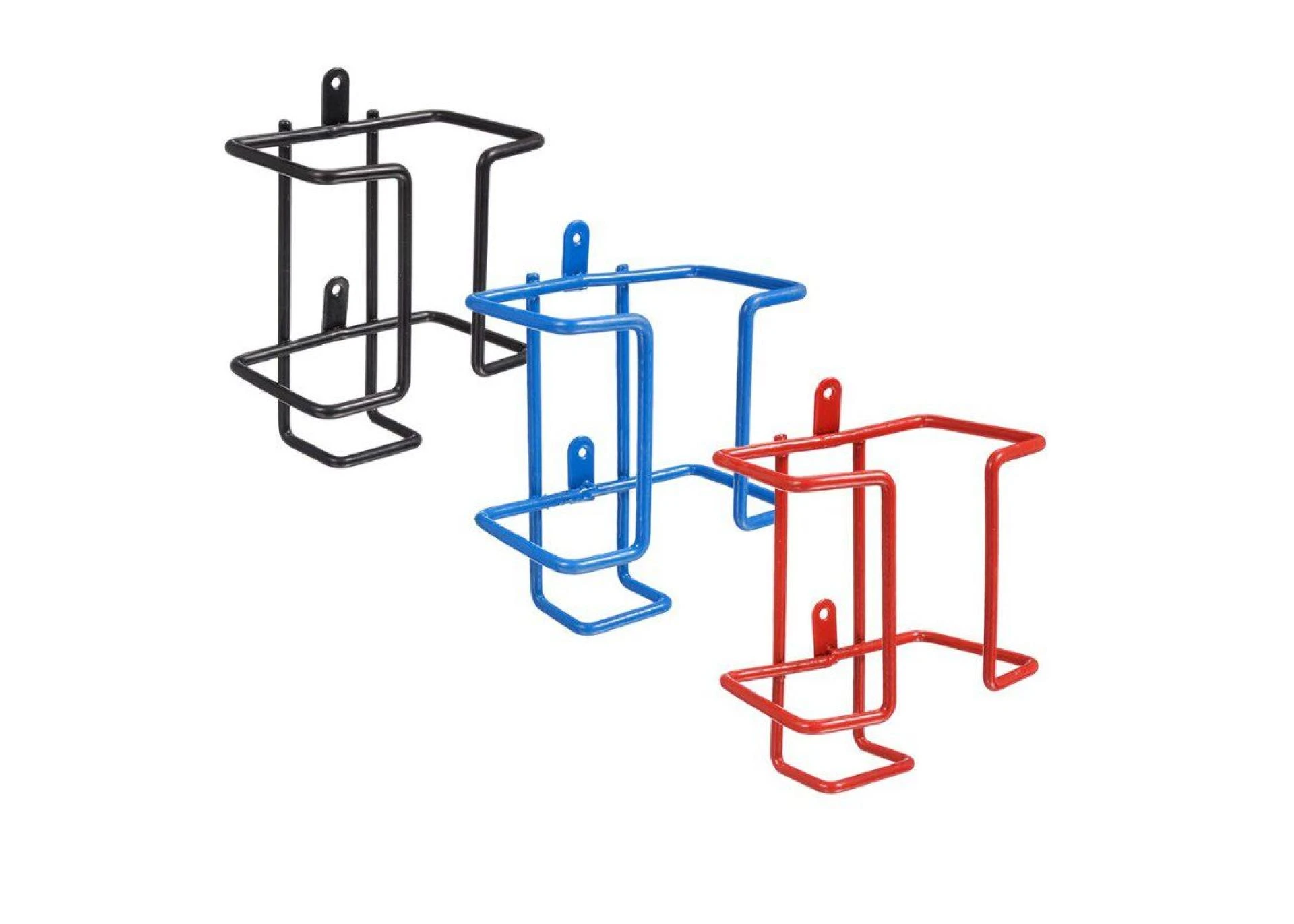

Most horses respect a stall gate. A few don’t. And when one decides to test it, things can go wrong fast. A hoof catches. A chest hits the top rail. The horse scrambles into the aisle. Anyone standing nearby is suddenly in the middle of it.
That’s why a solid, well-built stall gate isn’t just a finishing touch; it’s basic safety. In busy barns, especially in places like Louisville where traffic is constant, you can’t afford weak hardware or low rails.
The good news is most horses don’t do this out of nowhere. They give warning signs first, and with a proper setup and strong metal stall gates for horses in Louisville, it’s usually easy to prevent.
Warning Signs to Watch For
Horses almost always show signs before trying to jump a stall gate. Watch for:
- Leaning their chest or neck over the gate
- Pawing, banging, or pushing on the gate
- Lifting front feet toward the top rail
- Pacing, calling out, or refusing to settle
- Fixating on aisle activity or other horses
If you see any of these, act early. Raising the gate or increasing turnout often solves the problem before it becomes dangerous.
Why Horses Try to Jump Stall Gates
Horses don’t do this to be difficult. They do it because something in their stall or routine isn’t working for them. The most common reasons are:
Curiosity: Horses like to see what’s going on. In open barns, especially in warm areas like Tampa, stall gates are often used for airflow. That open view is great, but some horses start leaning over the gate to watch feeding, turnout, or other horses. Over time, leaning can turn into climbing. That’s why many barns investing in horse stall accessories add guards or higher gates.
Anxiety: Horses that hate being separated from their buddies may try to get out, especially during busy barn times.
Boredom: Too little turnout, not enough exercise, or long stall hours can give a horse extra energy, and a stall gate becomes something to mess with.
Low or flexible gates also cause trouble. If a horse can rest its chest on the top rail, it may start testing how far it can go.
Which Horses Are Most Likely to Do This?
Some horses are more likely to try jumping a gate:
- Young or athletic horses
- Horses new to a barn
- High-energy horses
- Horses that have escaped fences before
But even calm horses may try it once if the stall setup encourages leaning or climbing.
Why This Is a Serious Safety Problem
A horse stuck on a gate can panic fast. That’s when injuries happen—legs, shoulders, chest, or deep cuts from broken hardware.
This is why barns upgrading horse stall supplies in Delaware often focus on stall safety first, not after something goes wrong.
It’s not just about the horse. A loose horse in the aisle can seriously hurt someone who isn’t expecting it.
How to Stop Horses From Jumping Stall Gates
You don’t need to rebuild your barn. Small horse stall accessories in Tampa, FL, make a big difference.
Start with gate height.
If a horse can easily lean over the top, the gate is too low. Taller gates or added guards usually solve the problem.
Add a stall guard or grill.
This keeps the stall open and airy but adds a clear barrier that horses won’t try to climb.
Make sure gates are solid.
A gate that bends or shifts teaches a horse that pushing works. A strong, well-mounted gate tells them it won’t.
Reduce stress and boredom.
Consistent feeding times, enough turnout, and regular exercise help more than people think. Even small horse stall supplies, like toys, slow feeders, or horse buckets, can help calm a restless horse.
Watch for early warning signs.
Leaning, pawing, or lifting front feet on the gate usually comes before jumping. Fix the issue early.
When a Stall Gate Isn’t Enough
Some horses need more than a basic gate. In busy barns, especially those searching for horse stall gates for sale Kentucky, owners often choose systems that can be reinforced or upgraded.
In places like Louisville, where stalls see heavy daily use, many barns rely on metal stall gates for horses because they stay firm and don’t flex under pressure.
Little details help too. Clean, organized stalls reduce frustration.
Final Thoughts
Most horses will never jump a stall gate. But if one does, it’s usually telling you something.
Pay attention to stall height, strength, and how your horse behaves day to day. Fixing small problems early is the best way to avoid big accidents later.






















Sign in to leave a comment.