
Last summer my cousin Jake decided he was going to become a fashion icon overnight. He bought plain tshirts in bulk and proudly announced to the family that he had discovered the secret to custom clothing. His big question was can I print my own iron on transfers
The answer is yes and surprisingly it is much easier than most people think.
Jake grabbed a home printer some transfer paper and a very old iron that looked like it survived three family generations. A few hours later he walked into the kitchen wearing a shirt with his dog wearing sunglasses printed across the front. It was both terrible and amazing at the same time.
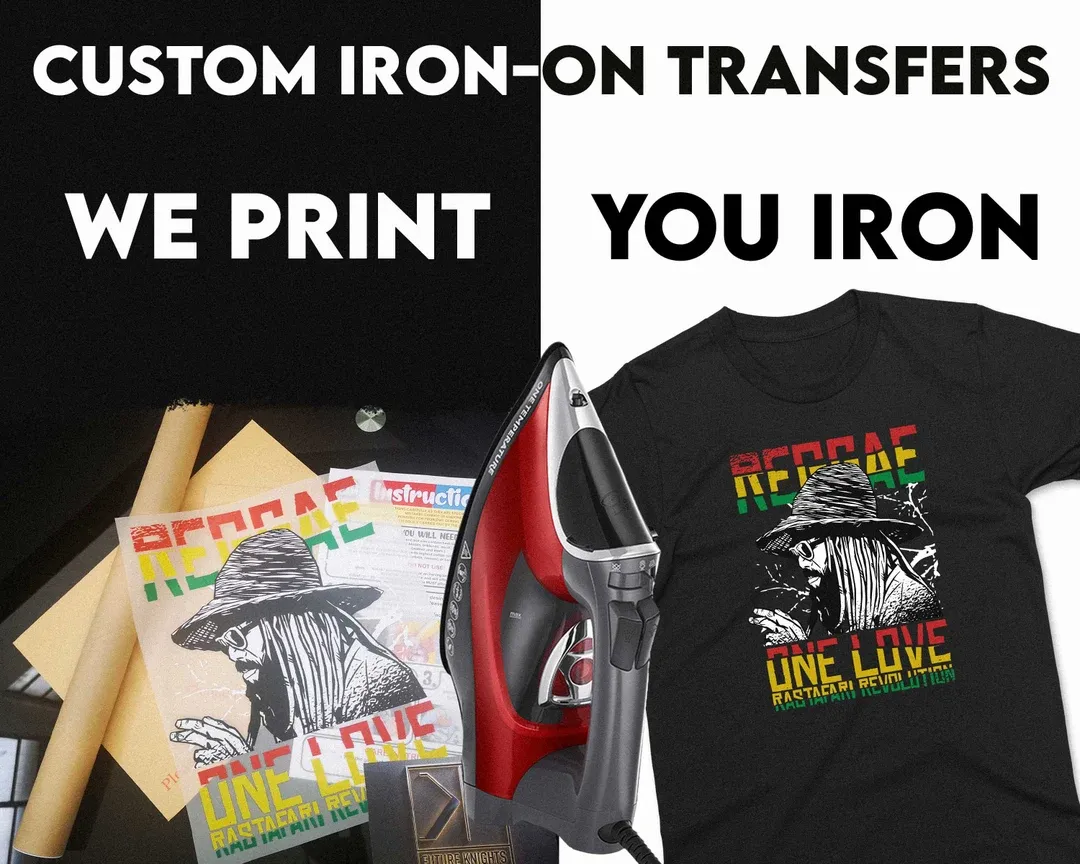
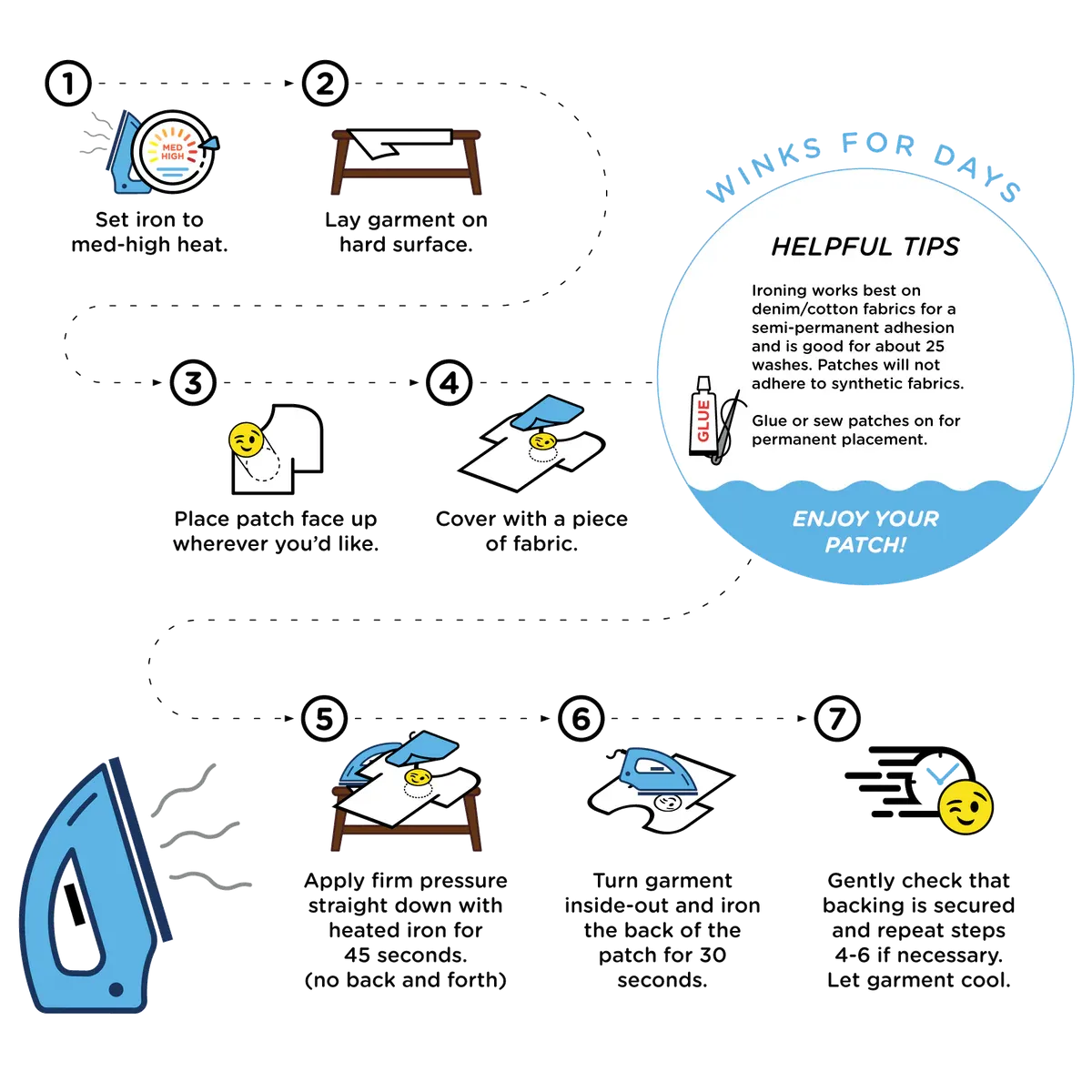
Printing your own iron on transfers at home is a fun and affordable way to create custom shirts hoodies tote bags and even gifts. You only need a printer transfer paper fabric and an iron or heat press. The process sounds simple because it really is. But there is one important detail that many beginners ignore.
Jake learned this lesson the hard way.
His first design went onto a cotton shirt perfectly. The colors looked sharp and the print stayed in place after washing. Feeling confident he tried the same design on a stretchy sports shirt made from polyester. After one wash the image cracked like a dry cookie and peeled faster than a cheap sticker on a water bottle.
That is exactly why fabric type matters when creating iron on transfers.
Different fabrics react differently to heat pressure and adhesive materials. Cotton is usually the easiest fabric for beginners because it absorbs heat well and allows the transfer to bond properly. Polyester on the other hand is more sensitive to heat and can even scorch or melt if the temperature is too high.
Blended fabrics can also behave unpredictably. Some blends hold transfers beautifully while others cause fading peeling or cracking over time. Choosing the right transfer paper for your fabric is extremely important.
Light colored cotton fabrics usually work best with standard transfer paper. Dark fabrics require special opaque transfer sheets that keep colors vibrant. Polyester fabrics often need low temperature transfer materials designed specifically for synthetic clothing.
Another reason why fabric type matters is durability. A transfer applied to the wrong material may look fine on day one but disaster usually arrives after laundry day. Nobody wants their custom design floating around the washing machine like a lost sock.
If you want professional looking results always test your transfer on a small fabric sample first. This saves money frustration and awkward moments when your custom birthday shirt suddenly starts peeling during dinner.
The good news is that modern transfer papers have improved a lot. Many brands now offer options for cotton polyester and mixed fabrics. With the right combination you can create designs that look clean vibrant and long lasting right from home.
So can I print my own iron on transfers Absolutely. It is creative fun and surprisingly addictive once you start. Just remember that fabric choice can make the difference between a shirt that lasts for years and one that becomes a cleaning rag after two washes.
Jake still makes custom shirts today although the dog with sunglasses design has thankfully retired forever.























Sign in to leave a comment.