

Yes — in most UK winters, you can use all weather tyres and they’ll usually cope far better than summer tyres when roads turn cold and wet. In this guide, you’ll learn what they handle well, where they fall short, and how to stay safe when winter driving gets properly nasty.
What all-weather tyres can handle in winter
All weather tyres are built to stay more flexible in cooler temperatures and to clear water and slush more effectively than many summer tyres. That helps with grip and braking when roads are wet, greasy, or cold first thing in the morning.
In the UK, that covers a lot of “winter”: rain, standing water, cold snaps, and the odd frosty week. For many drivers, all weather tyres are the simple year-round option that takes the stress out of those conditions.
When they’re “good enough” — and when they’re not
If your winter driving is mostly town roads, A-roads, and motorways that get gritted, all-weather tyres are often more than adequate. They’re especially useful if you can’t avoid driving early mornings or late evenings when temperatures drop.
But if you regularly face heavy snow, steep hills, untreated rural lanes, or long stretches of ice, you may want dedicated winter tyres. All-weather tyres can manage light snow and slush, but winter tyres are designed specifically to bite into snow and perform better in harsher cold.
So the answer depends on your winter. Mild and wet? You’re usually fine. Snowy and rural? Consider going full winter.
How to tell if your all-weather tyres are winter-capable
Not every “all season” tyre is created equal, so you want to check what you’re actually running. Look at the sidewall for markings that indicate winter performance.
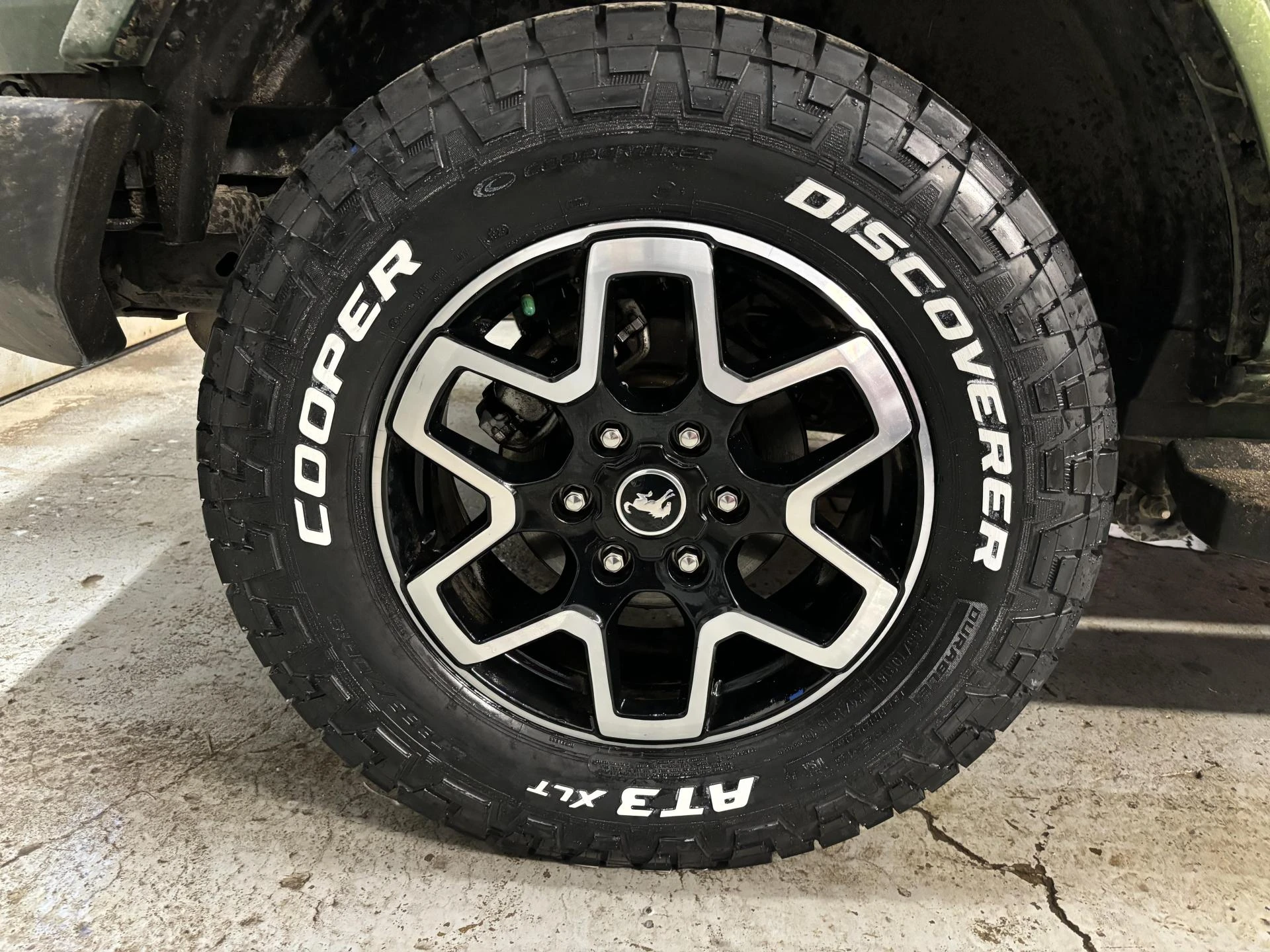
Many true all-weather tyres carry the three-peak mountain snowflake (3PMSF) symbol, which shows the tyre meets a recognised standard for snow grip. If you don’t see it, the tyre may still work year-round, but it may not offer the same level of winter performance.
If you’re unsure, a tyre fitter can check the markings and advise whether your current set is right for your routes.
Winter safety tips (that make a bigger difference than people think)
Even the right tyre won’t help if it’s underinflated, worn, or damaged. Winter makes small issues feel big, fast.
To stay safe:
- Check tyre pressure more often (cold temperatures can lower it)
- Replace tyres before they’re near the legal tread limit (more tread helps clear water and slush)
- Watch for uneven wear or vibration (alignment and balancing issues show up more in winter)
- Slow down in standing water and avoid sharp inputs on icy mornings
If your tyres are losing pressure, showing cracks, or wearing unevenly, get them checked. That’s where tyre services earn their keep.
Conclusion
So, can you use them in winter? For most UK drivers, yes — all weather tyres are a sensible year-round choice for wet, cold, and changeable winter conditions. If you regularly drive through heavy snow, steep hills, or untreated rural roads, dedicated winter tyres may give you more confidence and grip when it matters most.
If you want a clear recommendation, share your tyre size and the kind of winter driving you do (motorway, city, rural). A local fitter can point you to the best option and get you booked in quickly.




























Sign in to leave a comment.