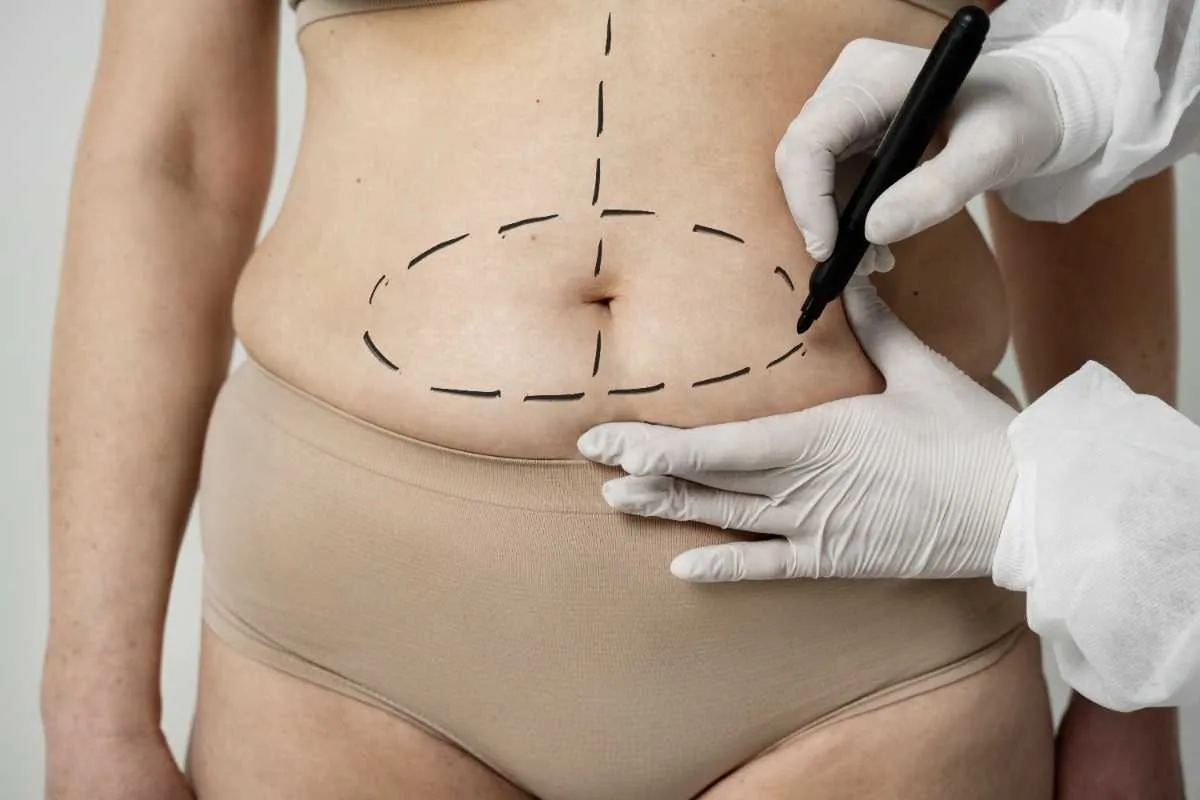

Understanding Belly Fat and Liposuction
Many people struggle with stubborn belly fat that does not improve even after regular exercise and healthy eating. Liposuction is a cosmetic procedure designed to remove these resistant fat deposits and improve body contours. The treatment targets localized fat areas rather than overall weight loss.
Does Liposuction Remove Fat Permanently?
Yes, liposuction permanently removes fat cells from the treated area. Once these fat cells are removed, they do not grow back. However, this does not mean future weight gain is impossible. If a person gains significant weight after surgery, the remaining fat cells in other areas of the body can still expand.
For long lasting results, maintaining a healthy lifestyle with balanced nutrition and regular physical activity is important. Liposuction works best for individuals who are close to their ideal body weight and want to improve body shape.
Is Liposuction Effective for Belly Fat?
Belly fat is one of the most common areas treated with liposuction. The procedure can help create a flatter and more sculpted abdominal appearance by removing stubborn fat pockets. It is especially useful for people who have good skin elasticity and realistic expectations about the results.
Many patients choose Liposuction in Cape Town because of advanced cosmetic procedures, experienced surgeons, and modern treatment facilities available in the region.
Important Things to Remember
Liposuction is not a replacement for weight loss or a treatment for obesity. It is a body contouring procedure meant to enhance appearance. Results can remain long term when combined with healthy habits and proper aftercare.
Before deciding on surgery, it is always important to consult a qualified cosmetic surgeon to understand the procedure, recovery process, possible risks, and expected outcomes.




























Sign in to leave a comment.