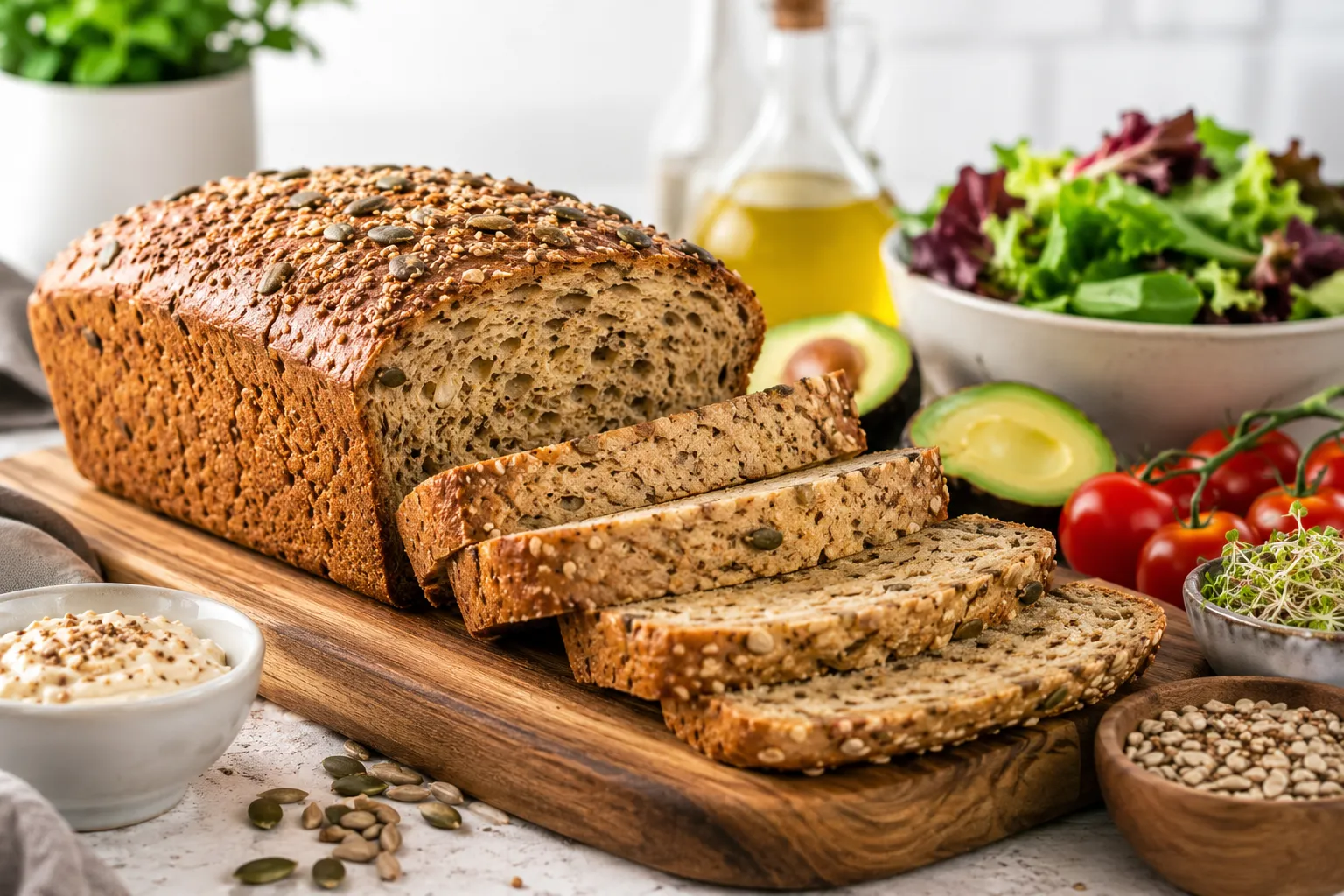
A nutritious diet doesn't have to mean completely changing the way people eat. Sometimes, a small adjustment to a familiar food can make everyday meals more balanced. Bread is a good example. By choosing a loaf that provides more protein than conventional varieties, people can add another useful source of this nutrient while continuing to enjoy toast, sandwiches, and other familiar meals.
For those interested in making this simple switch, high protein bread offers a convenient way to bring more protein into meals without adding another complicated item to the plate. Low Carb Avenue's own high-protein option is listed with 7 grams of protein, 3 grams of fiber, 1 gram of net carbohydrate, and 60 calories per serving.
What Makes a Bread Higher in Protein?
Traditional bread is generally made around flour, water, yeast, and other basic ingredients. Protein levels can vary considerably depending on the recipe and ingredients used.
A higher-protein loaf is developed specifically to increase the amount of protein available in each serving. Low Carb Avenue explains that protein bread can use ingredients such as protein-rich flours, seeds, and other sources of protein instead of relying primarily on conventional high-carbohydrate flour.
The result is a bread designed to provide more nutritional value per serving while remaining useful for everyday meals.
Why Protein Can Be Helpful in Everyday Meals
Protein isn't only important for people who spend hours in the gym. It is a fundamental nutrient that plays a role in maintaining and building muscle and can contribute to feelings of fullness.
Adding protein to meals can therefore make everyday eating more satisfying. Instead of treating bread as simply a carbohydrate-based side, a higher-protein variety can contribute something additional to the overall meal.
This doesn't mean bread should replace other protein sources. Eggs, dairy products, meat, fish, legumes, nuts, and other foods can all contribute protein. The advantage of a protein-focused loaf is convenience—it can become another small contributor throughout the day.
A Simple Way to Improve Familiar Meals
One of the biggest advantages of protein-rich bread is that it doesn't require complicated meal preparation.
Breakfast
A couple of toasted slices can be paired with eggs, avocado, or another protein-rich topping. This creates a more substantial breakfast without requiring a completely new recipe.
Lunch
A sandwich can become a balanced meal when the bread is combined with vegetables and a suitable protein filling. The bread itself can contribute additional protein to the meal.
Snacks
Toast with a suitable spread can provide a convenient option between meals. The added protein in the bread can complement the rest of the snack.
Dinner
Bread can also accompany soups, salads, or other dishes, giving people another opportunity to include protein in their overall meal pattern.
These small changes are often easier to maintain than major dietary overhauls.
Protein and Lower-Carb Eating Can Work Together
For people watching their carbohydrate intake, choosing bread can sometimes feel challenging. A product may be high in protein but still contain substantial carbohydrates, so nutrition labels deserve attention.
Low Carb Avenue's high-protein bread is specifically positioned within its low-carb range, with the product page highlighting 1 gram of net carbs and 7 grams of protein.
This combination can make a protein-focused loaf particularly appealing to people who want to increase protein while being mindful of carbohydrate intake.
However, "high protein" and "low carb" are not automatically the same thing. The nutrition facts and ingredient list should always be checked when comparing products.
What Should Shoppers Look For?
Choosing a protein-focused bread isn't simply about finding the biggest number on the protein line.
A closer look at the overall nutritional profile can provide a better picture. Consider:
- Protein: Check how much is provided per slice or serving.
- Fiber: Fiber can add nutritional value and contribute to meal satisfaction.
- Carbohydrates: This is particularly important for people following a lower-carb eating pattern.
- Added sugar: Look for products that don't rely heavily on added sweeteners.
- Ingredients: A straightforward ingredient list can make it easier to understand what you're eating.
- Calories: Consider how the bread fits into the overall meal rather than judging it separately.
Low Carb Avenue's published guide also emphasizes checking protein, fiber, added sugars, ingredients, and carbohydrate content when selecting a protein-focused loaf.
Protein Bread Doesn't Have to Feel Like a Diet Food
Taste and texture still matter.
A bread can have an impressive nutrition profile, but if it isn't enjoyable, it may not become a regular part of someone's routine. The goal is to find an option that works nutritionally while still being versatile enough for toast, sandwiches, and other everyday uses.
Low Carb Avenue describes its approach as combining nutritional considerations with taste and quality, while its product range includes high-protein, low-carb, sourdough, multigrain, and other specialty breads.
That combination makes the idea of changing bread choices less restrictive. Instead of removing bread from meals, people can select a variety that better matches their personal goals.
How to Make the Most of a Protein-Focused Loaf
The simplest approach is to think about the whole meal.
Pairing a protein-rich slice with nutritious toppings can create a more complete eating experience. For example, eggs can turn toast into a filling breakfast, while vegetables and a protein-rich filling can make a sandwich more substantial.
The bread doesn't need to carry the entire nutritional burden of the meal. Its role is to complement the other foods on the plate.
For readers who want a deeper look at selecting and using protein-focused bread, the Ultimate Guide to High Protein Bread provides additional information on its characteristics, potential benefits, shopping considerations, and meal ideas.
Choosing a Bread That Fits the Bigger Picture
A higher-protein loaf can be a useful addition to a balanced eating routine, but there is no single bread that is automatically right for everyone. Dietary needs, preferences, activity levels, and overall meal patterns all matter.
Someone focused on protein may prioritize a protein-rich loaf, while another person may place greater emphasis on carbohydrates, calories, ingredients, or fiber. In some cases, shoppers may also compare different varieties to find the best low carb bread for their particular eating style.
The most useful choice is one that fits naturally into the meals a person already enjoys.
Frequently Asked Questions
Is high-protein bread healthier than regular bread?
It can provide more protein than conventional bread, but whether it is a better choice depends on the individual's nutritional needs and the product's complete ingredient and nutrition profile.
Can protein bread be part of a low-carb diet?
Some varieties are specifically formulated with lower carbohydrate content. Checking the nutrition label is the best way to determine whether a particular loaf fits an individual's eating plan.
Does a protein loaf replace other protein foods?
No. It can contribute to total protein intake, but a balanced diet can include protein from many different foods.
What is the best low-carb bread?
The best option depends on personal preferences and nutritional goals. Comparing protein, fiber, carbohydrates, calories, and ingredients can help shoppers make a more informed choice.






























Sign in to leave a comment.