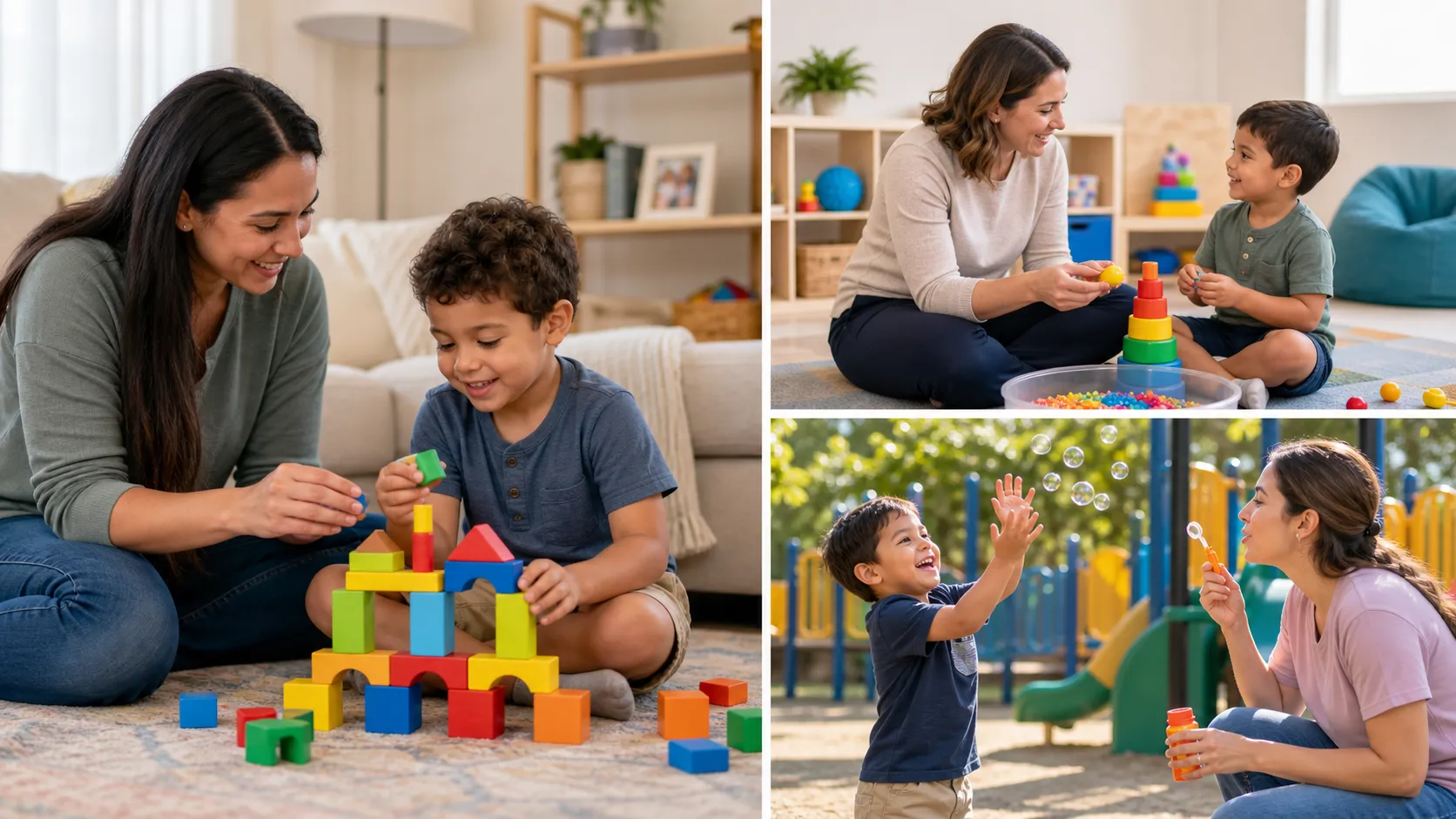

One of the distinguishing features of high-quality ABA therapy is its emphasis on generalization. Teaching a skill in one setting is only the beginning. The real measure of success is whether a child can use that skill in the classroom, at home, in the grocery store, and at the playground. ABA programs in North Carolina address this challenge directly by building cross-setting support into their treatment models.
How Skills Transfer Across Environments
Children with autism often learn skills in one environment and struggle to apply them in another. A child might respond correctly to a communication prompt in a structured therapy session but not know how to make the same request during a busy family dinner. This is not a failure of the child; it is a predictable feature of how learning works, and skilled ABA programs plan for it.
Therapists address generalization by deliberately varying the conditions under which they teach a skill. They change the location, the materials, the people involved, and the time of day. They move therapy into different settings, including the home, community spaces, and school environments, so that children have the opportunity to practice skills where they will actually need to use them.
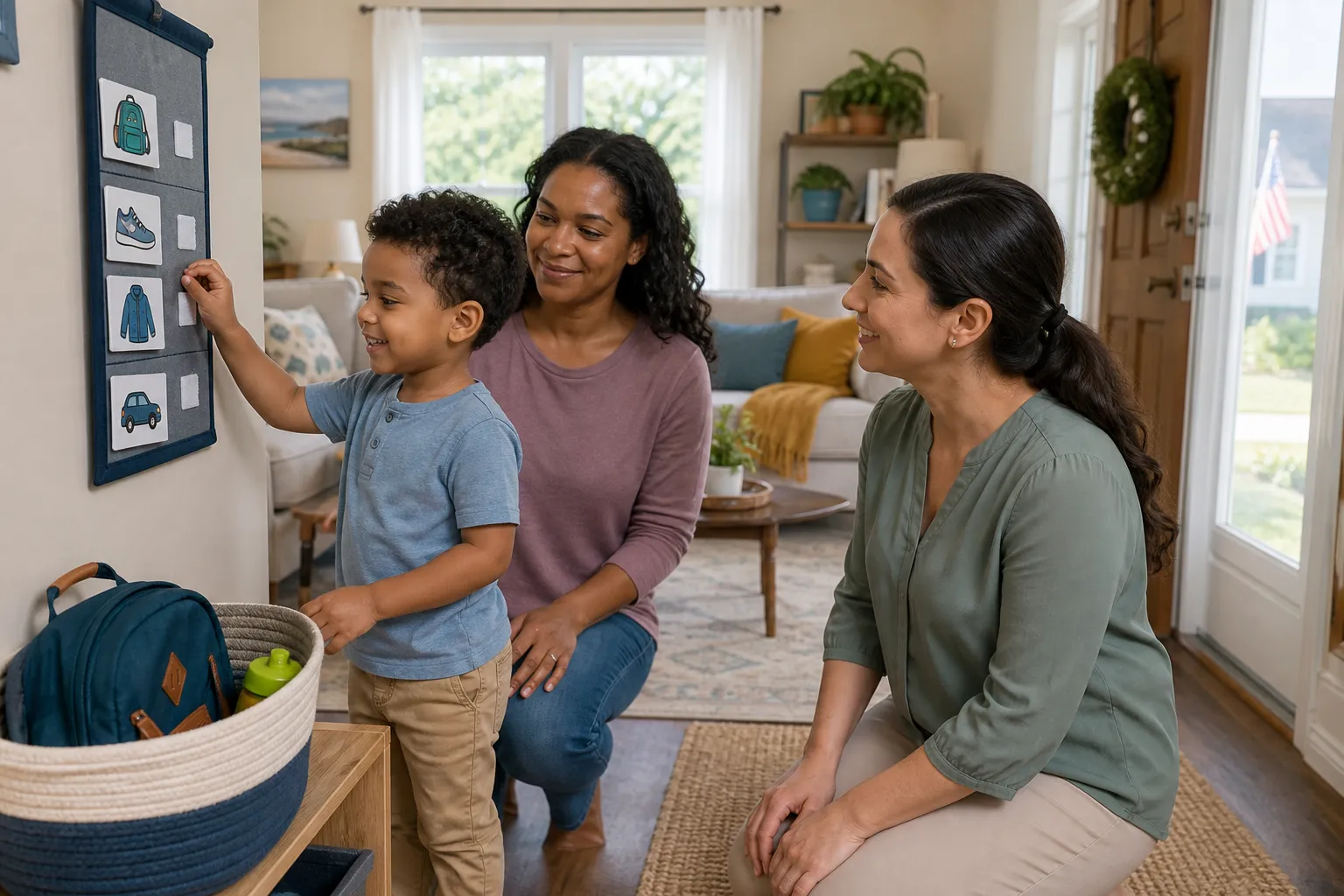
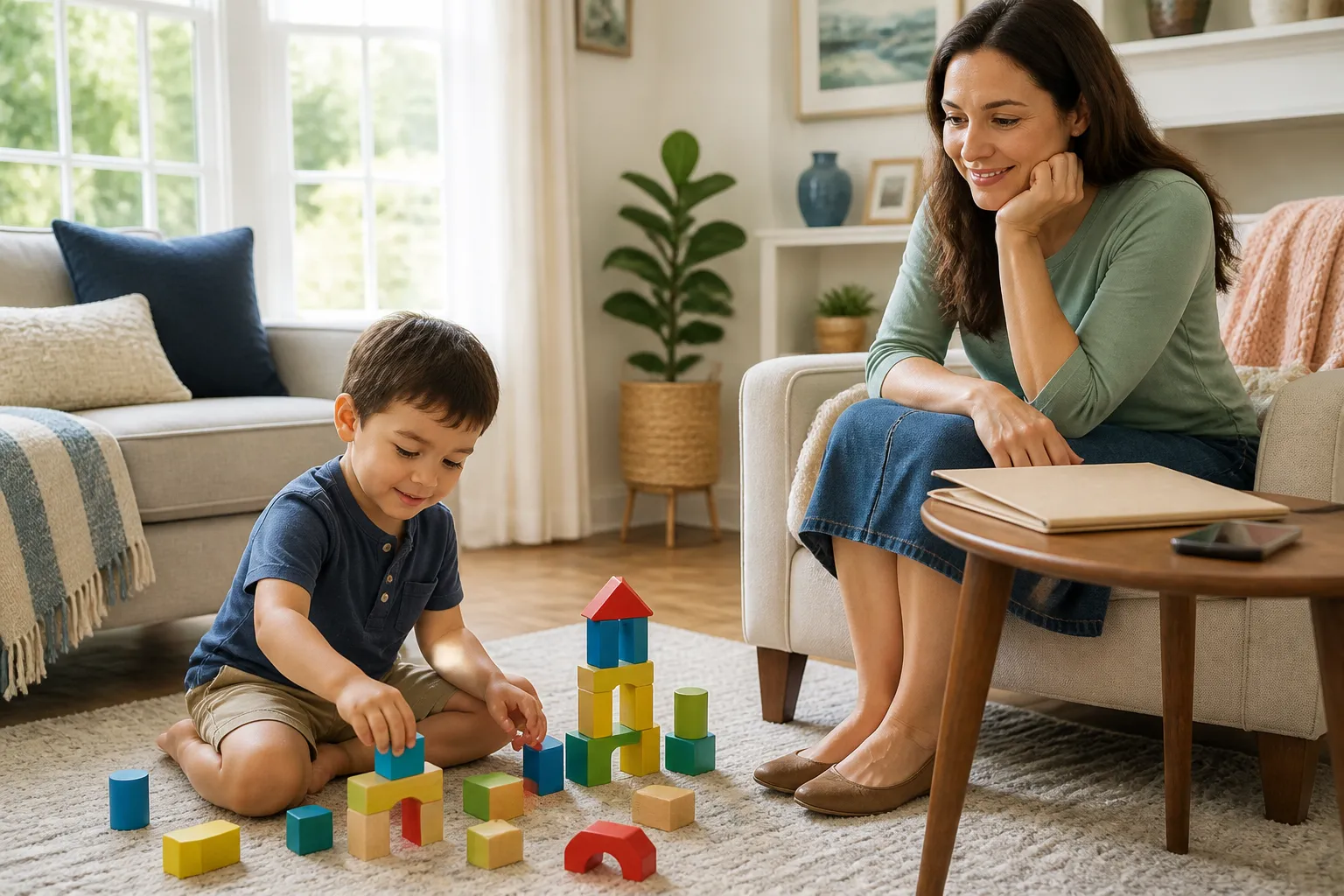
Home-based therapy is one of the most direct ways to support skill transfer. When a therapist works with a child in the family kitchen during a meal routine or during a bath time sequence, the skills being taught are embedded in the real context where they matter. This approach tends to accelerate generalization significantly.
Families who want to understand how this kind of community- and home-integrated model works can review the service structure offered by an Advanceable ABA guide to understand what to look for in a well-rounded program.
School Collaboration and Coordination
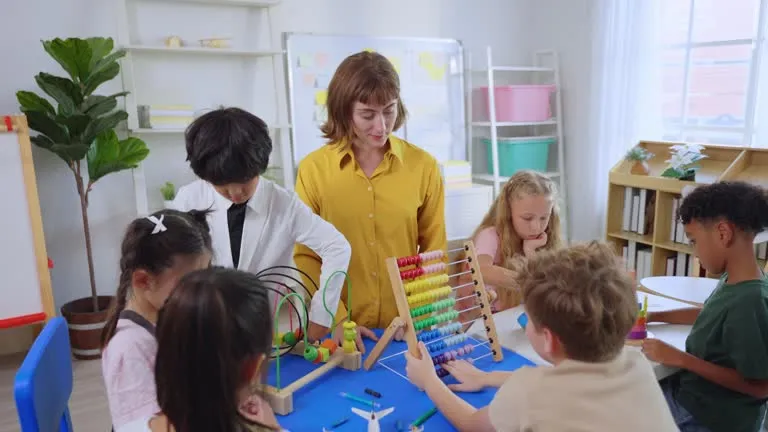
School settings present a unique opportunity, and a unique challenge, for ABA programs. Most children receiving ABA therapy in North Carolina also receive services through the school system, either in a special education classroom, a general education setting with support, or some combination of both.
Effective ABA programs actively coordinate with school teams. This might involve a Board Certified Behavior Analyst (BCBA) consulting with school staff about a child's behavioral support plan, observing a child in the classroom to identify which skills are transferring and which are not, or participating in IEP meetings to ensure that ABA goals and school goals are aligned rather than working at cross purposes.
This kind of coordination requires strong communication between providers. The ABA supervisor typically takes the lead in reaching out to school staff and establishing a framework for sharing information. Families can facilitate this by signing releases early in the process and encouraging both teams to communicate openly.
Community participation is another dimension of cross-setting support. For children who are working toward greater independence, practicing skills in real-world environments is essential. Therapists may accompany children on outings to practice skills like navigating a store, ordering food, using public restrooms, or managing transitions between activities in unpredictable environments.
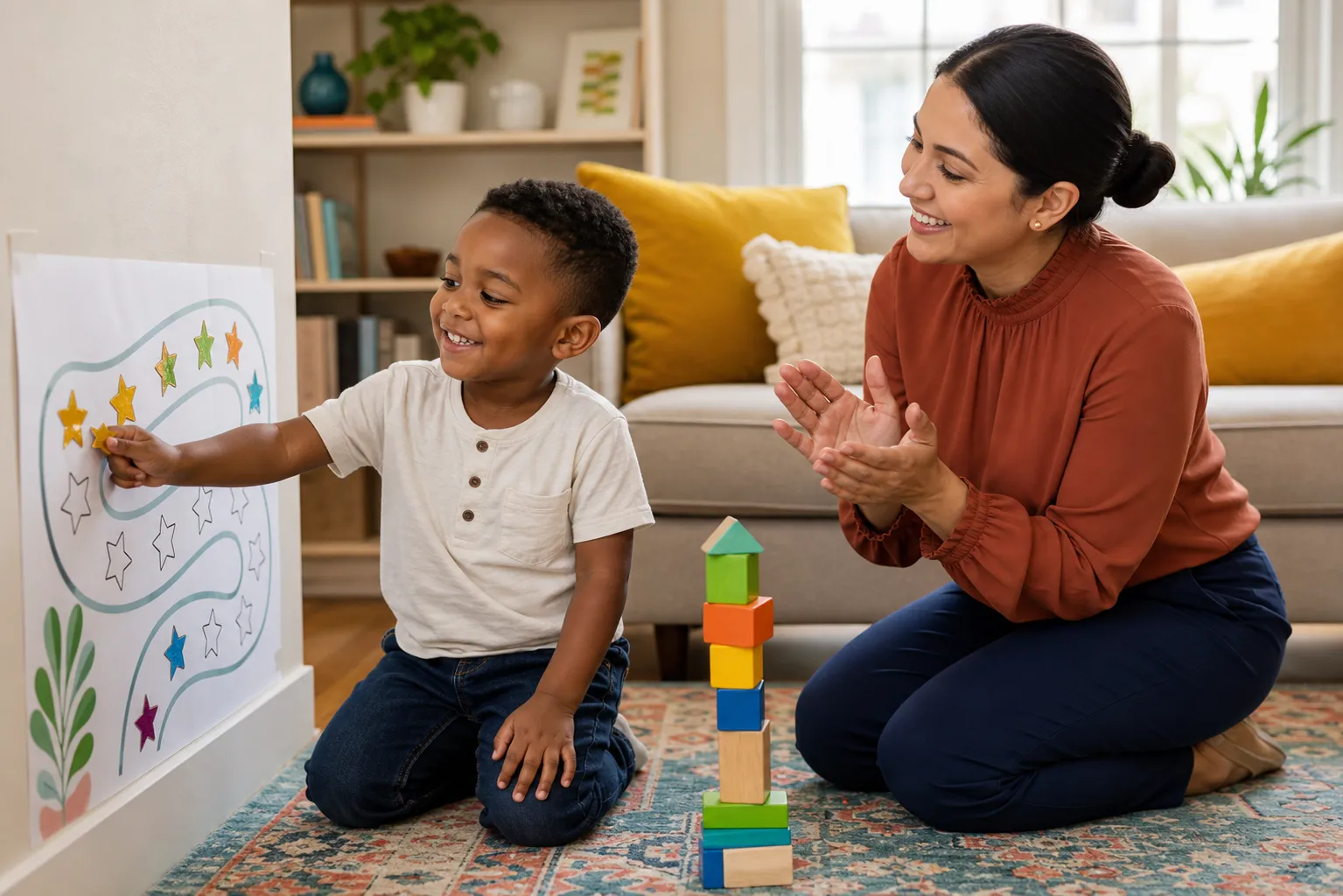
Supporting a child across all the settings in their daily life requires coordination, flexibility, and a commitment to working beyond the walls of a single clinic. When ABA programs embrace this model, children tend to make faster and more durable progress.























Sign in to leave a comment.